






The Irreplaceable Magic of Ziro
Ziro Valley is more than just a picturesque destination; it’s a living cultural landscape. Home to the Apatani tribe, the valley is famed for its stunningly efficient system of wet rice cultivation combined with fish farming, a practice that has sustained
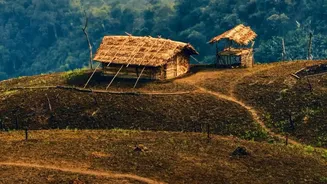
the community for centuries without chemical fertilizers or pesticides. This unique agricultural system, a candidate for the UNESCO World Heritage list, creates a mesmerising patchwork of green fields against a backdrop of pine-clad mountains. The Apatani people are custodians of this land, with a culture deeply rooted in ecological harmony. Their architecture, using renewable resources like bamboo and timber, and their minimal-waste lifestyle offer profound lessons in sustainability. For travellers, Ziro offers a chance to step into a world where nature and culture are inextricably linked, a peaceful escape from the clamour of city life.
First Step: The Permit Process
Before you can immerse yourself in Ziro’s beauty, there’s a crucial administrative step: securing the right permit. This is non-negotiable. To protect the region's sensitive ecology and unique tribal culture, Arunachal Pradesh requires all domestic tourists from outside the state to have an Inner Line Permit (ILP). Foreign nationals need a Protected Area Permit (PAP). The ILP system is a long-standing safeguard to regulate entry and ensure the livelihoods of indigenous communities are protected. Thankfully, the process is now streamlined. Indian citizens can apply for an e-ILP online through the official government portal by providing identity proof and details of their stay. It’s a straightforward but essential part of planning your trip, and having your permit in hand is the first sign of being a responsible visitor.
Choosing Homestays Over Hotels
A growing trend among travellers, especially the youth, is opting for homestays. This choice is central to the sustainable travel movement in Ziro. Staying in a local Apatani home is not just about accommodation; it's an invitation into their world. Unlike commercial hotels, homestays ensure that tourist revenue directly benefits the local community, empowering families and supporting the local economy. They offer an authentic cultural exchange, from sharing traditional meals cooked with local ingredients to learning about customs firsthand from your hosts. This shift towards community-based tourism is vital. It fosters a deeper connection and understanding, turning a simple holiday into a meaningful experience while typically having a smaller environmental footprint in terms of water and electricity usage compared to larger establishments.
The Unwritten Rules of Respectful Travel
Beyond the official permits, visiting Ziro responsibly involves following a code of conduct rooted in respect. Young travellers are increasingly championing these practices, understanding that their actions have a direct impact. A cardinal rule is to always ask for permission before photographing people, particularly elders or during cultural ceremonies. This simple gesture shows respect for their privacy and dignity. Another key guideline is waste management. In an ecologically fragile area like Ziro, leaving no trace is paramount; this means avoiding single-use plastics and carrying out any non-biodegradable waste you generate. Supporting the local economy extends to buying authentic handicrafts directly from artisans and hiring local guides. Their knowledge not only enriches your experience but also provides them with a sustainable livelihood. Dressing modestly and observing local customs, such as being mindful of quiet hours, are also small but significant ways to show respect.
Why This Trend Matters for Ziro's Future
The embrace of sustainable practices by a new generation of visitors is crucial for the future of Ziro Valley. Unchecked tourism poses a real threat. Officials have already raised concerns about the construction of commercial buildings on the precious wet rice fields, which are the valley's main attraction. Every traveller who chooses a homestay, respects local customs, and minimizes their environmental footprint becomes a partner in preservation. This conscious approach helps ensure that tourism remains a positive force, providing economic benefits without eroding the culture and environment that make Ziro so special. By following these guidelines, visitors are not just seeing Ziro; they are actively participating in protecting its legacy for generations to come, ensuring the valley’s unique harmony between humanity and nature endures.