




A Kingdom Lost for 144 Years
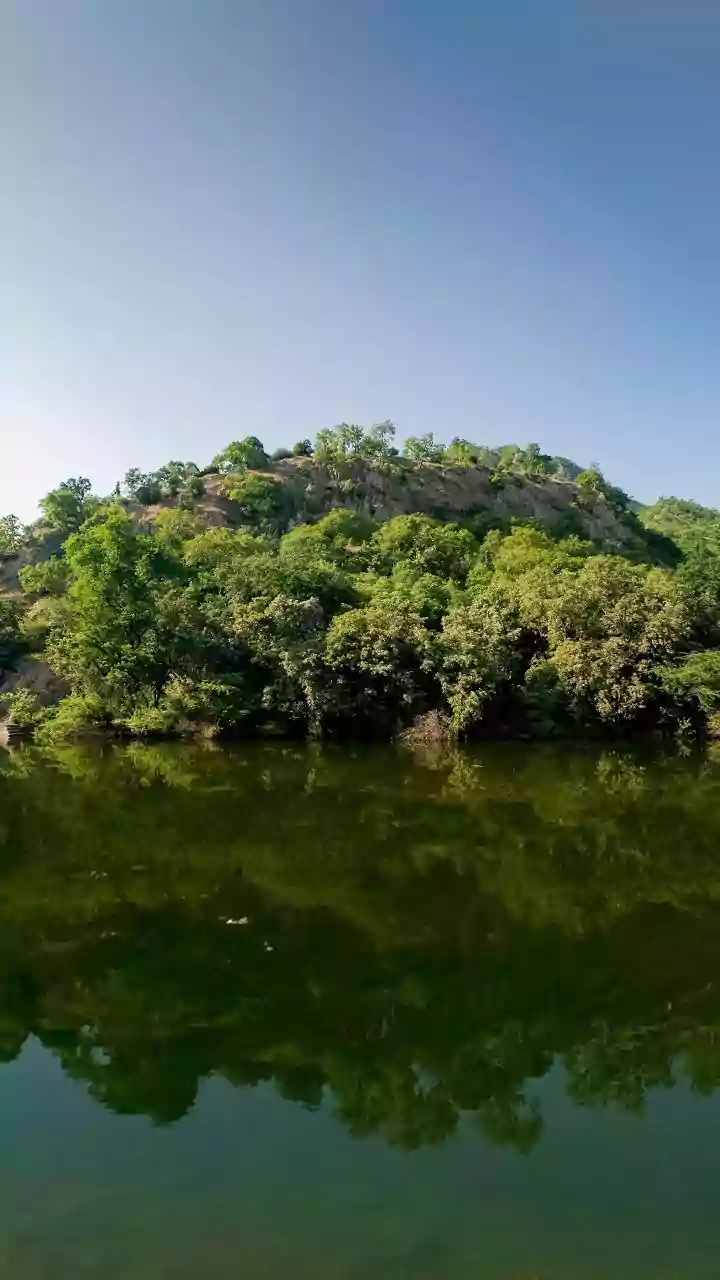
For over a century, the story of the Asiatic lion in India has been almost exclusively tied to the Gir Forest. But this was not always the case. Historically, the lion's range stretched across western and central India. The rugged, forested hills of the Barda
Wildlife Sanctuary, located about 100 kilometres from Gir in Gujarat’s Saurashtra region, were once part of this kingdom. However, due to rampant hunting and habitat loss during the British Raj, the lions vanished. The last official record of a lion in Barda dates back to 1879. For the next 144 years, the area remained silent, a former home waiting for its king to return.
The Gir Success Story and Its Limits
While lions disappeared from Barda and elsewhere, a small, isolated population clung to survival in Gir. Thanks to decades of concerted conservation efforts by the Gujarat Forest Department and the Indian government, this population has made a spectacular comeback. From a perilously low number, the count of Asiatic lions grew steadily, with the 2020 census recording 674 individuals. But this success created a new challenge: Gir was becoming overcrowded. A single, geographically concentrated population is dangerously vulnerable to threats like disease outbreaks—such as the Canine Distemper Virus that has been a concern—or natural disasters. Experts have long argued for the necessity of establishing a second, independent home to secure the species' long-term future.
The Slow Road to a Second Home
The idea of Barda as a second home for lions is not new. The Gir-Barda Project was launched as far back as 1979 to prepare the sanctuary for this possibility. Identified as a potential site under the national 'Project Lion' conservation program, Barda's landscape and vegetation share many similarities with Gir, making it an ideal candidate. For years, authorities have worked to enhance the habitat, primarily by increasing the prey base. This involved translocating hundreds of spotted deer (chital) and sambar from Gir and other areas to ensure the incoming predators would have sufficient food. These careful preparations laid the groundwork for the lions' eventual return.
A Natural Return and a Helping Hand
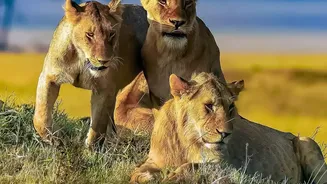
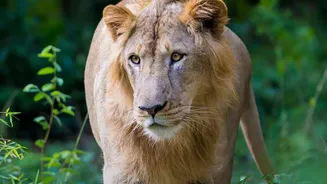
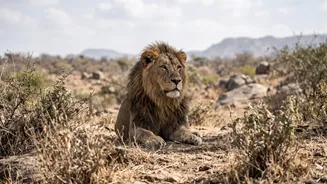
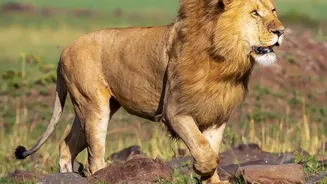
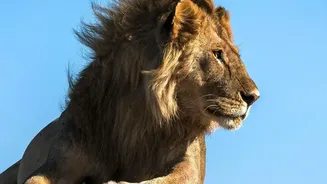
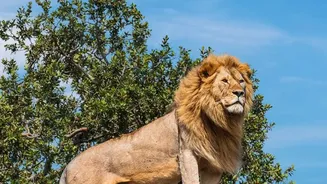
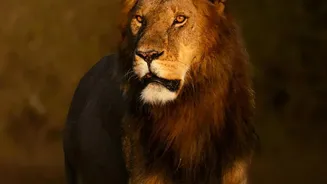
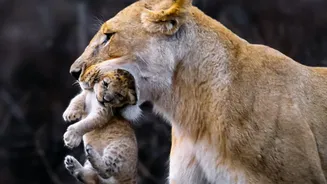
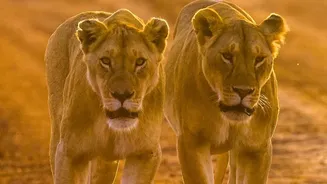
The historic moment began not with a grand translocation, but with a natural dispersal. In January 2023, a lone male lion wandered from the greater Gir landscape and entered Barda on its own, reaffirming the historical corridor between the two forests. This pioneering male's journey was a clear signal that Barda was ready. To build on this natural recolonisation, the Gujarat Forest Department augmented the nascent population by introducing five females into the sanctuary. The move was a resounding success. As of late 2026, a recent study confirmed that the Barda Wildlife Sanctuary is now home to a small but growing pride of 17 lions, including adults and cubs.
Why Barda's New Pride Matters
The establishment of a population in Barda is a monumental achievement. It acts as a crucial 'satellite population' and a genetic buffer, reducing the risk of the entire species being wiped out by a single catastrophe in Gir. A recent scientific study published in the journal 'PLOS One' analysed the movements and habits of the new lions, confirming that Barda provides suitable habitat and resources to sustain a long-term population. Researchers radio-collared six of the lions and found they were establishing home ranges and relying primarily on wild prey like wild pigs. This successful re-establishment marks a new chapter in Asiatic lion conservation, expanding their kingdom beyond the confines of Gir for the first time in generations.