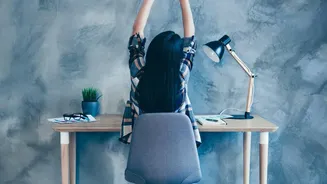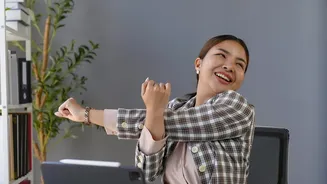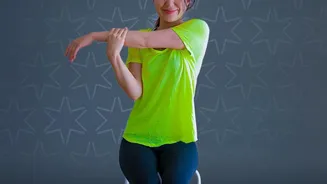




Why Your Desk Job Hurts
Humans are not designed for prolonged sitting. When you're seated for hours, several negative effects take hold. Your hip flexor muscles, which connect your legs to your torso, shorten and tighten. This can pull on your lower back, leading to pain. Meanwhile,
your glute muscles can effectively 'switch off' from lack of use, a condition sometimes called 'gluteal amnesia'. This forces other muscles to compensate, leading to imbalances and discomfort. Over time, this contributes to a forward-slumped posture, which strains your neck, shoulders, and spine.
What is Active Recovery?
Active recovery is not about a full-blown workout. Instead, it involves gentle, low-intensity movements designed to increase blood flow, lubricate joints, and wake up dormant muscles. For desk workers, this means taking short, frequent breaks to perform specific drills that counteract the negative effects of being sedentary. Think of it as hitting the reset button for your body throughout the day, preventing stiffness from setting in rather than just trying to stretch it out at the end of the day.
Drill 1: Seated Spinal Twist
A tight back is one of the most common complaints of office professionals. This gentle twist helps improve spinal mobility and can relieve tension in the lower back. To perform it, sit upright in your chair with both feet flat on the floor. Place your left hand on your right knee and your right hand on the back or arm of the chair. Gently twist your torso to the right, looking over your right shoulder. Hold the stretch for 15-30 seconds, breathing deeply. Return to the center and repeat on the other side.
Drill 2: Standing Hip Flexor Stretch
This stretch is crucial for counteracting the tight hips that come from sitting. Stand up and take a step back with your right leg, lowering yourself into a gentle lunge with your left knee bent. You can place your hands on your desk for balance. Keep your back straight and gently push your hips forward until you feel a stretch along the front of your right hip and thigh. Hold for about 30 seconds without bouncing. Switch legs and repeat.
Drill 3: Glute Bridges
To combat 'gluteal amnesia', you need to remind those muscles to fire. Glute bridges are perfect for this. If you have a private space or are working from home, lie on your back with your knees bent and feet flat on the floor, about hip-width apart. Place your arms by your sides. Squeeze your glutes and lift your hips off the floor until your body forms a straight line from your shoulders to your knees. Hold for a few seconds at the top before slowly lowering back down. Aim for 12-15 repetitions.
Drill 4: Doorway Chest Stretch
Slumping forward over a keyboard tightens the muscles in your chest. The doorway stretch helps to open them back up. Stand in an open doorway and place your forearms on the frame, with your elbows bent at a 90-degree angle. Step one foot forward until you feel a gentle stretch across your chest and the front of your shoulders. Hold for 20-30 seconds. This move is excellent for improving posture.
Building a Pain-Free Routine
The key to making these drills effective is consistency. Aim to get up and move at least once every hour. You don’t need to do every exercise during each break. Perhaps you do a spinal twist at 10 a.m., a hip flexor stretch at 11 a.m., and some glute bridges during your lunch break. Set a simple timer to remind yourself to stand up, walk around, and perform one of these quick drills. These small, consistent movements can lead to a significant reduction in sitting-related pain and stiffness.