






What Exactly Is a Power Surge?
A power surge, or transient voltage, is a very brief but intense spike in your home's electrical voltage. Imagine the electricity flowing to your house as water in a pipe. A surge is like a sudden, powerful blast of water that the pipe—and your appliances—are
not designed to handle. This jolt of excess energy can overload and short out the delicate internal circuits of modern electronics, causing permanent damage. While a standard electrical supply in India is around 220-240 volts, a surge can push that to thousands of volts in a fraction of a second.
Why Monsoons Are a Prime Time for Surges
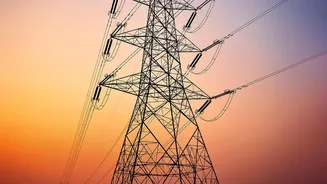
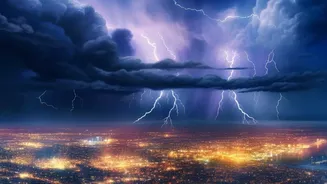
The monsoon season creates a perfect storm for electrical instability. Lightning is a major culprit; a strike near a power line can send a massive wave of voltage down the grid and into your home. Heavy rains and strong winds can cause tree branches to fall on power lines, leading to short circuits and fluctuations. Furthermore, the restoration of power after a blackout is a common cause of surges. When the grid suddenly comes back online, the initial rush of electricity can be unstable and exceed normal levels, posing a significant risk to anything that is plugged in. Increased humidity and water seepage into walls or electrical fittings can also compromise wiring and increase the risk of electrical faults.
The Real Risks to Your Home and Appliances
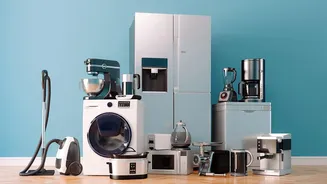
The most immediate risk is to your expensive and sensitive electronics. Televisions, computers, refrigerators, air conditioners, washing machines, and even smartphone chargers can have their circuit boards fried instantly. This damage is often irreparable, forcing costly replacements. Beyond a single catastrophic event, smaller, frequent surges can degrade your electronics over time, causing them to fail prematurely without an obvious cause. In the worst-case scenarios, a powerful surge can overheat wiring and create a serious fire hazard.
The Unplug Rule: Your First Line of Defence
The simplest and most effective way to protect your devices is also free: unplug them. During a heavy thunderstorm or when the power goes out, make it a habit to disconnect non-essential and valuable appliances from the wall socket. This includes your TV, entertainment system, computers, and kitchen gadgets. This physically disconnects them from the electrical line, making it impossible for a surge to reach them. Wait until the storm has passed or until the power supply has been stable for a few minutes before plugging them back in.
Surge Protectors vs. Voltage Stabilizers
For moments when you can't unplug, dedicated hardware is essential. However, it's crucial to understand the difference between two common devices. A surge protector, often found in power strips, is designed to detect and divert sudden, short-lived spikes in voltage, like those from lightning. It sacrifices itself to absorb the damaging energy. A voltage stabilizer, on the other hand, is built to handle more prolonged voltage fluctuations—both high (over-voltage) and low (brownouts)—by actively adjusting the output to a safe level. For large appliances with motors like refrigerators and ACs, a stabilizer is often recommended to protect them from the stress of inconsistent power. For sensitive electronics like TVs and computers, a good quality surge protector is a must.
Considering Whole-House Protection
For comprehensive safety, a whole-house surge protector is the ultimate solution. This device is installed by a qualified electrician directly at your main electrical panel. It acts as a gatekeeper, stopping major external surges from entering your home's entire wiring system. This protects not just your plug-in devices, but also hardwired appliances like your AC units, water heater, and smart home fixtures. While it is a larger initial investment, it provides peace of mind and can be far cheaper than replacing multiple damaged appliances.