






Ignoring Your Exhaust Fans
Showering, cooking, and boiling water release a significant amount of steam into the air. One of the biggest mistakes is not using or having proper ventilation in moisture-prone areas like kitchens and bathrooms. An exhaust fan's job is to pull that humid
air out of the room and vent it outside. Running it during and for about 15-20 minutes after a shower or while cooking on the stovetop can drastically reduce the amount of moisture that lingers, condenses on surfaces, and encourages mould. Make sure your fans are vented to the outdoors, not just into the attic, which simply moves the problem elsewhere.
Drying Laundry Indoors
A single load of wet laundry can release a surprising amount of water into the air as it dries, significantly boosting indoor humidity. While convenient, regularly drying clothes on indoor racks or radiators creates a perfect environment for mould and mildew. If you don't have a tumble dryer that vents outside, try to dry clothes outdoors whenever possible. If you must dry them inside, place them in a single, well-ventilated room with a window cracked open or a dehumidifier running to capture the excess moisture.
Neglecting Small Leaks
It’s easy to ignore a tiny drip under the sink or a minor stain on the ceiling, but this is a critical error. Persistent leaks, no matter how small, provide a constant source of water that can saturate wood, drywall, and insulation. This not only causes structural damage over time but creates hidden, damp cavities where mould can flourish undetected. Regularly inspect under sinks, around toilets, and near appliances that use water. Check your roof and gutters to ensure water is being directed away from your home’s foundation. Fixing leaks promptly is one of the most effective ways to control indoor moisture.
Poor Air Circulation
Moisture can get trapped in stagnant air. When furniture is pushed right up against walls or closets are overstuffed, air can't circulate properly. This leads to cold spots where condensation can form, resulting in musty smells and potential mould growth on your walls or belongings. To avoid this, pull furniture a few inches away from walls and avoid packing closets too tightly. Opening doors between rooms and using ceiling fans can also help promote airflow throughout your home, preventing moisture from settling in one area.
Using Humidifiers or Dehumidifiers Incorrectly
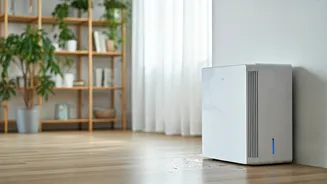
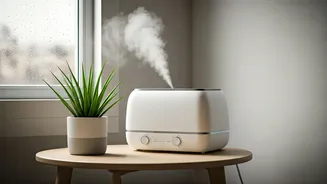
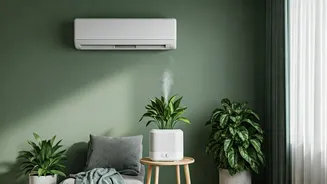
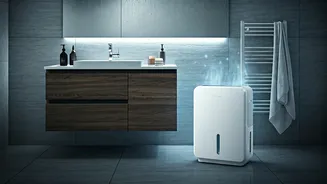
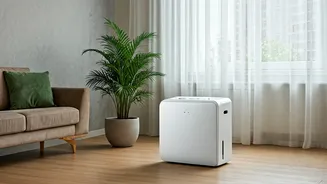
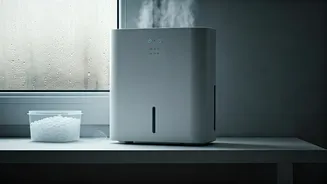
Both humidifiers and dehumidifiers are tools for controlling moisture, but using them incorrectly can make things worse. Running a humidifier too high can add excessive moisture to the air, leading to condensation on windows—a clear sign you need to turn it down. Conversely, a dehumidifier is only effective if it's the right size for the space and cleaned regularly. Aim for an indoor humidity level between 30% and 50%. A simple device called a hygrometer can measure your home’s humidity levels and help you decide whether you need to add or remove moisture from the air.
Having Too Many Houseplants
While plants are great for aesthetics and air quality, they also release moisture into the air through a process called transpiration. A large number of indoor plants, especially in a small or poorly ventilated space, can contribute to higher humidity. If you have a jungle in your living room and notice signs of dampness, you may need to scale back or group plants in a well-ventilated area. Covering the soil with a layer of rocks can also help keep moisture from escaping into the air.