





What Exactly Is El Niño?
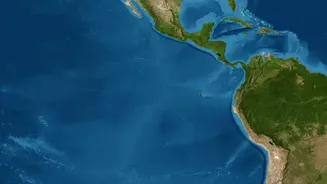
Think of El Niño as a massive, temporary warming of the Pacific Ocean. This isn't just a minor temperature shift; it's a large-scale climate event that happens every two to seven years. This warming of the ocean surface in the central and eastern tropical
Pacific releases a huge amount of heat into the atmosphere. This disrupts normal atmospheric circulation patterns, effectively scrambling weather systems across the globe. Its counterpart is La Niña, a cooling phase, and together they form the El Niño-Southern Oscillation (ENSO) cycle. The World Meteorological Organization and other global agencies have noted that a strong El Niño is developing through 2026, raising concerns worldwide.
The Monsoon's Fickle Friend
The Indian southwest monsoon is a complex system, but at its heart, it's about a seasonal shift in winds that carry immense amounts of moisture from the ocean to the subcontinent. El Niño disrupts this delicate dance. The warming of the Pacific alters pressure patterns and can weaken the winds that drive the monsoon. This often leads to drier-than-normal conditions over the Indian subcontinent. While not every El Niño year results in a drought, there is a strong historical correlation between El Niño and below-average rainfall in India. With forecasts for August to October 2026 indicating a classic El Niño footprint, the risk of drier conditions for India is elevated. The phenomenon can delay the onset of rains, cause prolonged dry spells, and lead to an uneven distribution of rainfall, all of which have significant consequences.
From Distant Ocean to Your City Faucet
For urban residents, the most direct impact of a weak monsoon is on water supply. Cities across India, from Delhi and Mumbai to Chennai and Bengaluru, depend heavily on reservoirs that are replenished by monsoon rains. When the monsoon is poor, these reservoir levels drop dangerously low. A deficit in rainfall means less water is captured in the catchment areas that feed these critical urban water sources. This inevitably leads to water rationing, reduced supply hours, and increased reliance on expensive private water tankers. The pressure on groundwater also intensifies, depleting a resource that is already under severe stress in many urban areas. So, while El Niño starts thousands of kilometres away, its effect is felt every time you turn on a tap during a water-cut schedule.
The Ripple Effect on Urban Wallets
A weak monsoon hits agriculture hard, and that impact travels quickly from the farm to the city market. Nearly half of India's farmland is rain-fed, making crop yields highly dependent on the monsoon. A poor season means lower production of essential staples like rice, pulses, and vegetables. With supply down and demand in populous cities remaining high, the result is food inflation. Prices for everyday essentials can spike, putting a strain on household budgets. This isn't a minor inconvenience; sustained food inflation can affect the entire economy, complicating efforts to manage price stability and impacting consumer spending on other goods and services.
More Than Just Water and Food
The consequences of an El Niño-influenced weak monsoon extend beyond water and food. Lower water levels in reservoirs also mean reduced capacity for hydroelectric power generation, which can strain the electricity grid. This can coincide with higher electricity demand as hotter-than-usual temperatures—another common feature of El Niño years—lead to increased use of fans and air conditioning. Furthermore, water scarcity can create public health challenges, increasing the risk of waterborne diseases. These interconnected challenges demonstrate how a single climate pattern can create a cascade of problems that directly undermine the quality of life and economic stability for millions of city dwellers.