





A Historical Head Start
Mumbai's story as a film hub is over a century old. The city hosted India's first-ever film screening in 1896 and was the production site for the country's first full-length feature film, 'Raja Harishchandra,' in 1913. This long history created a foundational
ecosystem that has been building upon itself for decades. Events like the partition of India led to an influx of talent from cultural centres like Lahore, further cementing Mumbai's position. This historical momentum gave the city a multi-decade head start that other cities simply cannot replicate overnight, establishing a deep-rooted culture of cinema that permeates its identity.
Unmatched Infrastructure and Ecosystem
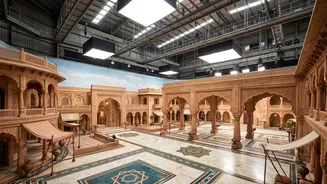
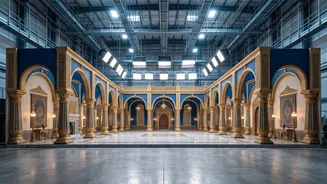
The primary reason for Mumbai's continued dominance is its unparalleled infrastructure. The city is home to Dadasaheb Phalke Chitranagari, better known as Film City, a sprawling 500-acre complex with dozens of studios, outdoor sets, and ready-made locations like hospitals and police stations. Beyond this, Mumbai offers a dense network of over 150 studios, more than 250 post-production facilities, and hundreds of equipment suppliers. This concentration means a filmmaker can complete every single stage of production, from shooting and editing to visual effects and sound mixing, without ever leaving the city. The government is also focused on modernizing this infrastructure, with plans to redevelop Film City to provide world-class facilities for film, television, and OTT productions.
The Epicentre of Talent
Mumbai is a magnet for creative professionals. It has the largest and most diverse talent pool in the country, attracting not just A-list actors but also directors, writers, cinematographers, editors, and highly skilled technicians. This creative concentration fosters a unique collaborative environment. The city is also the headquarters for India's top talent management agencies, such as Collective Artists Network, YRF Talent, and Dharma Cornerstone Agency (DCAA), which manage the careers of the biggest stars and newcomers alike. Aspiring artists, known as 'strugglers,' flock to Mumbai because it is where careers are made, and this constant influx of fresh talent keeps the industry dynamic and innovative.
The Financial Powerhouse
As India's financial capital, Mumbai provides the economic engine that powers the film industry. For decades, filmmaking relied on informal and high-risk funding. However, after gaining official "industry status" in 2000, Bollywood began to attract formal financing from banks, corporations, and international studios. Major production houses like Yash Raj Films and Dharma Productions are based here, alongside a sophisticated network of financiers and investors. This access to capital is crucial for an industry where production costs are constantly rising. The city's financial ecosystem derisks projects by offering diverse revenue streams beyond the box office, including pre-sales of music, satellite, and digital rights.
Adapting to Modern Challenges
Mumbai's position is not without its challenges. The high cost of living puts immense pressure on workers, especially behind-the-scenes crew who face income instability and delayed payments. Furthermore, other regional industries and the rise of OTT platforms have created a more competitive landscape. However, Mumbai adapts. The growth of streaming has created new opportunities, with the city becoming a major hub for the production of web series and digital content. It remains the centre for brand collaborations and advertising film production, leveraging its corporate connections. Despite competition, Mumbai's ability to evolve and integrate new media formats ensures it stays relevant and essential to the entertainment world.