




A Landmark National Partnership
In a significant move for India's scientific and medical communities, the Indian Space Research Organisation (ISRO) and the All India Institute of Medical Sciences (AIIMS), New Delhi, signed a Memorandum of Understanding in early 2026. This formal agreement
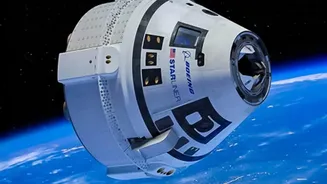
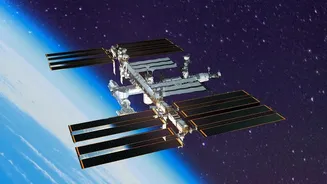
establishes a framework for deep collaboration on space medicine. The primary goal is to support India's ambitious human spaceflight program, Gaganyaan, and future long-duration missions, including a planned Indian space station and crewed lunar missions. The partnership brings together ISRO's engineering prowess with AIIMS's top-tier medical expertise to tackle the unique health challenges faced by astronauts. The collaboration will focus on developing medical protocols, specialised devices, and training modules to ensure the health and safety of Indian astronauts in the extreme environment of space.
The Unique Challenges of Health in Space
The human body evolved in Earth's gravity, and space travel turns that world upside down. Astronauts face a host of physiological challenges in microgravity. These include a rapid loss of bone density—at a rate of 1-2% per month—and muscle atrophy, which mimics accelerated aging. Bodily fluids shift towards the head, affecting cardiovascular function, and the immune system can become suppressed, making infections a greater risk. Beyond the physical, there are significant behavioural and psychological hurdles, including the effects of isolation and confinement in a small capsule. The joint ISRO-AIIMS research will delve into these areas, studying everything from immunology and the gut microbiome to cardiovascular health and genomics to understand and counteract these effects.
Spin-Offs for Terrestrial Healthcare
The core promise of this collaboration for the public lies in its terrestrial applications. Technologies developed for the harsh, resource-limited environment of space often find their most impactful use back on Earth. For example, the need to constantly monitor astronauts' health from millions of miles away drives innovation in telemedicine and remote patient monitoring. These systems, designed for space, can be adapted to provide high-quality healthcare to remote and rural areas in India, connecting patients with specialists in urban centres. The continuous, real-time data monitoring systems used for astronauts could revolutionise ICU care, providing doctors with more precise information to make critical decisions.
Innovations in Medical Devices and Disease Research
Medical devices for space missions must be compact, durable, low-power, and easy to use by non-specialists. These design principles are directly applicable to developing better portable medical equipment for use in ambulances, disaster zones, and underserved clinics on Earth. Imagine a portable ultrasound device or a tiny diagnostic lab that can be carried in a backpack. Furthermore, studying the accelerated aging-like effects seen in astronauts provides a unique model for understanding diseases like osteoporosis and muscle wasting on Earth. Research into how the immune system changes in space could also offer new insights into autoimmune disorders and age-related immune decline. Essentially, space becomes a unique laboratory for understanding human health and disease.
Strengthening India's Health Ecosystem
This partnership is more than just a single project; it’s about building a national ecosystem for a new frontier of science. By creating training modules and conducting ground-based simulations, AIIMS will help prepare a new generation of scientists and doctors with expertise in space medicine. This collaboration will generate India-specific data on how spaceflight affects the body, reducing reliance on data from other nations and tailoring solutions for Indian astronauts. The initiative aligns with India's long-term vision of becoming a major player in space exploration and scientific innovation, ensuring that the benefits of reaching for the stars are felt directly by its citizens.