






Beyond Grammar: What Are AI Tone Enhancers?
Forget basic spell-checkers. Modern AI writing assistants function as sophisticated tone enhancers. These tools, often available as browser extensions or integrated into writing platforms, analyze your text for more than just errors. They assess clarity,
confidence, and professionalism, suggesting alternative phrasing to better align your message with your intended audience. For job seekers, this means transforming a simple resume summary into a powerful statement of value or turning a standard follow-up email into a memorable point of contact. Unlike generative AI that writes content for you, these tools focus on polishing what you have already written, helping your unique voice shine through. Think of it as a digital co-pilot for your career communications, ensuring you present the best version of your professional self.
Supercharging Your Resume Summary
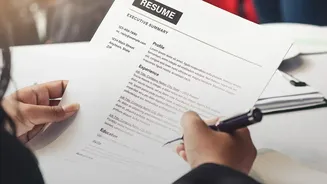
Your resume summary is prime real estate—it's often the first thing a recruiter reads. An AI tone enhancer can help you make it count. Start by writing a draft that covers your key experience and career goals. Then, paste it into an AI tool. Instead of asking it to simply 'improve' the text, give it specific instructions. For instance, you could prompt it to "rewrite this summary to sound more achievement-driven" or "make this summary more concise and impactful for a tech startup role." Many platforms can analyze your draft against a specific job description, suggesting keywords to help your resume get past Applicant Tracking Systems (ATS). The goal is not to have the AI write your summary from scratch, but to refine your original thoughts into a polished, compelling pitch that feels authentic.
Crafting Compelling Recruiter Communication
Your communication with recruiters—from the initial outreach to the final thank-you note—is a critical part of the hiring process. AI can help you navigate these interactions with confidence. When drafting an email, an AI assistant can help you strike the right balance between being formal and being personable. For example, you can ask the tool to review your draft for a "confident and respectful tone." Some advanced tools can even help you draft connection request messages on professional networking sites. This is particularly useful for non-native English speakers or anyone who second-guesses their writing. By using AI to fine-tune your messaging, you ensure your communication is clear, professional, and free of small errors that might otherwise cause a recruiter to pause.
The Human Touch Remains Your Greatest Asset
While AI tools are incredibly powerful, they are a supplement to, not a replacement for, human judgment. Over-reliance on AI can lead to generic, robotic-sounding applications that recruiters can often spot. A 2025 survey showed that a majority of hiring managers can tell when an application is heavily AI-generated, which can sometimes work against the candidate. The most effective strategy is to use AI as a final check to polish your work. Always read the AI's suggestions carefully and only accept the ones that align with your personal style and the facts of your experience. Your resume and emails should still sound like you. Authenticity builds trust and helps you stand out in a sea of applicants who might be using the exact same tools. Remember, the technology is there to enhance your message, not to create it.