




A New Vision for Connectivity
The Ude Desh ka Aam Nagrik (UDAN) scheme is a government initiative designed to make air travel affordable and accessible to more Indians. A key part of this vision involves connecting regions that are difficult to reach with traditional airports. Seaplanes
are a perfect solution; these versatile aircraft can take off and land on water bodies like rivers, lakes, and coastal waters, eliminating the need for costly runway infrastructure. This opens up a world of possibilities for connecting urban centres directly to tourist hotspots, pilgrimage sites, and remote islands that were previously accessible only by long boat or road journeys. The goal is to create last-mile connectivity that is both fast and scenic.
The Flagship Route: Ahmedabad to the Statue of Unity
The most high-profile example of this initiative was the service connecting the Sabarmati Riverfront in Ahmedabad to the Statue of Unity in Kevadia, Gujarat. Inaugurated in late 2020, this route demonstrated the concept's potential, turning a journey of several hours by road into a flight of around 40 minutes. Passengers were treated to breathtaking low-altitude views, and the experience itself—taking off and landing on water—became a major attraction. While this specific service has faced operational pauses for commercial and maintenance reasons, it served as a pioneering proof of concept for seaplane travel in mainland India.
The Next Frontier: Islands and Coastlines
The true promise of the headline lies in connecting India's vast coastline and island territories. Significant progress is now being made to launch services in the Andaman and Nicobar Islands, Lakshadweep, and coastal states like Andhra Pradesh. In the Andamans, regional airline Flybig is planning to connect Port Blair with destinations like Havelock Island (Swaraj Dweep), Neil Island (Shaheed Dweep), and Car Nicobar. Similarly, new entrant SkyHop Aviation has received approval to start commercial operations, with Lakshadweep identified as a key launch destination. These routes are game-changers, potentially cutting travel time from many hours or even overnight by ferry to just over an hour by air.
What the Seaplane Journey Is Like
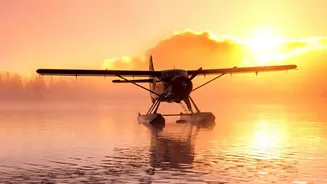
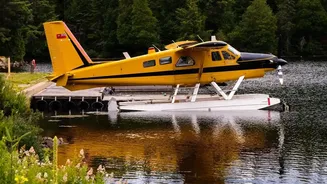
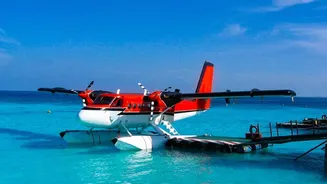
Traveling by seaplane is an experience in itself. The aircraft, such as the De Havilland Canada Twin Otter or Cessna Caravan, are smaller than commercial jets, typically seating between 9 to 19 passengers. This creates a more intimate and adventurous feel. The thrill begins with a unique takeoff from the water's surface and culminates in a gentle landing on the waves. During the flight, the planes fly at a lower altitude, offering passengers spectacular, unobstructed aerial views of the coastline, islands, and landscapes below. It transforms the journey from mere transit into a memorable part of the holiday itself.
Challenges and the Path Forward
Launching a new mode of transport is not without its hurdles. The initial seaplane services have faced challenges related to commercial viability, regulatory frameworks, and the readiness of water aerodrome infrastructure. However, the government has been actively working to simplify guidelines and provide financial support to make these routes sustainable. In the 2026 budget, a renewed push was made to incentivise operations, and the Modified UDAN scheme continues to support the development of water aerodromes. With several airlines planning to launch services and new routes awarded in states like Andhra Pradesh and the Northeast, the seaplane ecosystem in India is steadily being built.