



The Game-Changer: A Surge in Direct Flights
Not long ago, a trip to Vietnam from India often meant long layovers and complicated travel days. That has changed dramatically. Airlines like VietJet and Air India have aggressively expanded their networks, connecting major Indian hubs such as Delhi,
Mumbai, Bangalore, and Hyderabad directly to Vietnamese cities like Hanoi, Ho Chi Minh City, and Da Nang. For instance, Air India launched a new direct route from Delhi to Hanoi in May 2026, operating five flights a week and complementing its existing daily service to Ho Chi Minh City. This increased connectivity not only slashes travel time to just four to six hours but also gives travellers more flexibility, such as flying into Hanoi in the north and departing from Ho Chi Minh City in the south. This surge in direct flights is a direct response to soaring demand; in the first two months of 2026 alone, Indian arrivals to Vietnam saw a massive year-on-year increase.
Unpacking True Affordability
Vietnam’s reputation as a budget-friendly destination is well-earned, and it offers incredible value without compromising on quality. Compared to other popular Southeast Asian destinations, a trip to Vietnam can be significantly lighter on the wallet. For Indian travellers, a week-long mid-range trip can be comfortably managed within a budget that is often 25-35% lower than a comparable holiday in Thailand or Bali. Accommodation options are plentiful and varied, from stylish city hotels and charming homestays to luxurious beachside resorts that are surprisingly affordable. Daily expenses on food, local transport, and activities are also exceptionally low. A delicious bowl of pho can cost less than ₹200, and using ride-hailing apps like Grab makes navigating cities simple and cheap. This affordability means travellers can enjoy a richer experience, whether that means indulging in more high-end dining, taking extra excursions, or extending their stay.
Beyond the Price: A Destination with Diverse Charms
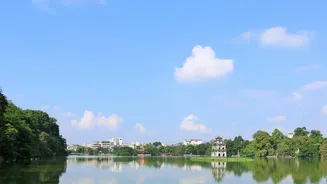
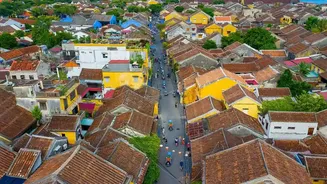
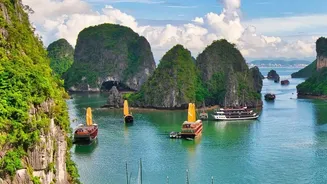
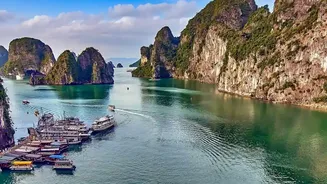
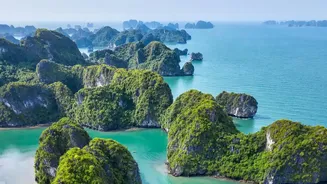
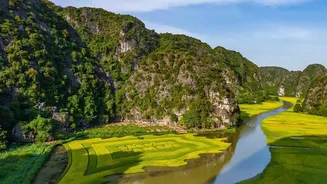
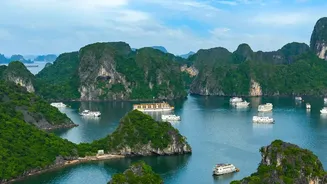
While cost and convenience are key drivers, it's the sheer diversity of experiences that seals the deal for most visitors. Northern Vietnam is home to the bustling capital, Hanoi, with its historic Old Quarter, and the breathtaking UNESCO World Heritage site of Ha Long Bay, known for its emerald waters and limestone karsts. Central Vietnam beckons with the coastal city of Da Nang, a hub for beach lovers and a gateway to the ancient, lantern-lit town of Hoi An, a favourite for its romantic atmosphere and vibrant cafe culture. In the south, the energetic Ho Chi Minh City offers a fascinating glimpse into modern Vietnamese life, rich history, and incredible shopping. For those seeking a pure beach escape, the island of Phu Quoc offers pristine sands and visa-free entry for up to 30 days for Indians arriving on direct international flights.
A Warm and Easy Welcome for Indians
Vietnam has made significant strides in making travel smoother for Indian citizens. The introduction of a 90-day e-visa, available for both single and multiple entries at a cost of around $25 USD, has simplified the application process immensely. The entire process is online, removing the need to visit an embassy. This ease of entry, coupled with a growing tourism infrastructure geared towards Indian needs, has made the country even more appealing. In major tourist destinations, there's a noticeable increase in services catering to Indian travellers, including a rising number of Indian restaurants and chefs to serve both leisure tourists and large MICE (Meetings, Incentives, Conferences, and Exhibitions) groups and destination weddings. This combination of a simplified visa regime and familiar comforts helps ensure a welcoming and hassle-free holiday experience.