
The New Festive Plate
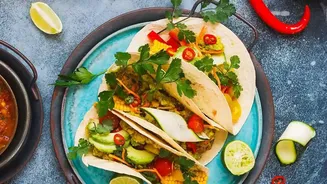
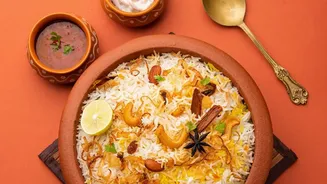
This festive season, a quiet revolution is simmering in Indian kitchens. While timeless dishes like biryani and samosas remain central, they are being reimagined with a global twist. Imagine biting into a taco filled with tandoori-style chickpeas, or a creamy
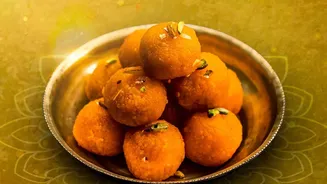
cheesecake flavoured with the delicate sweetness of gulab jamun. These are not just experiments; they represent a growing trend where the soul of Indian comfort food is dressed in new, exciting forms. From motichoor ladoo finding its way into a layered parfait to classic Italian arancini being stuffed with rice pudding, the festive platter is becoming a canvas for culinary innovation. This blend of familiar and foreign is redefining what it means to cook for a celebration in modern India.
Drivers of the Delicious Mash-Up
So, why is this happening now? Several factors are stirring the pot. Increased global travel and a digitally connected world have exposed Indian palates to a universe of new flavours and cooking techniques. A younger generation, while deeply connected to their roots, is also adventurous and eager to experiment. The rise of food-centric social media has turned every home cook into a potential innovator, sharing their creations like paneer lasagna or masala-spiced gnocchi. Furthermore, the availability of international ingredients, from avocados to artisanal cheeses, is no longer limited to big cities. This accessibility empowers chefs and home cooks alike to ask, "What if?" and transform a traditional recipe into something uniquely personal and contemporary.
From Mithai to Main Course
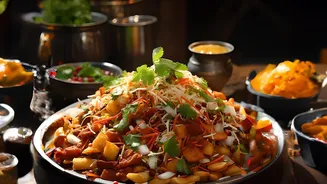
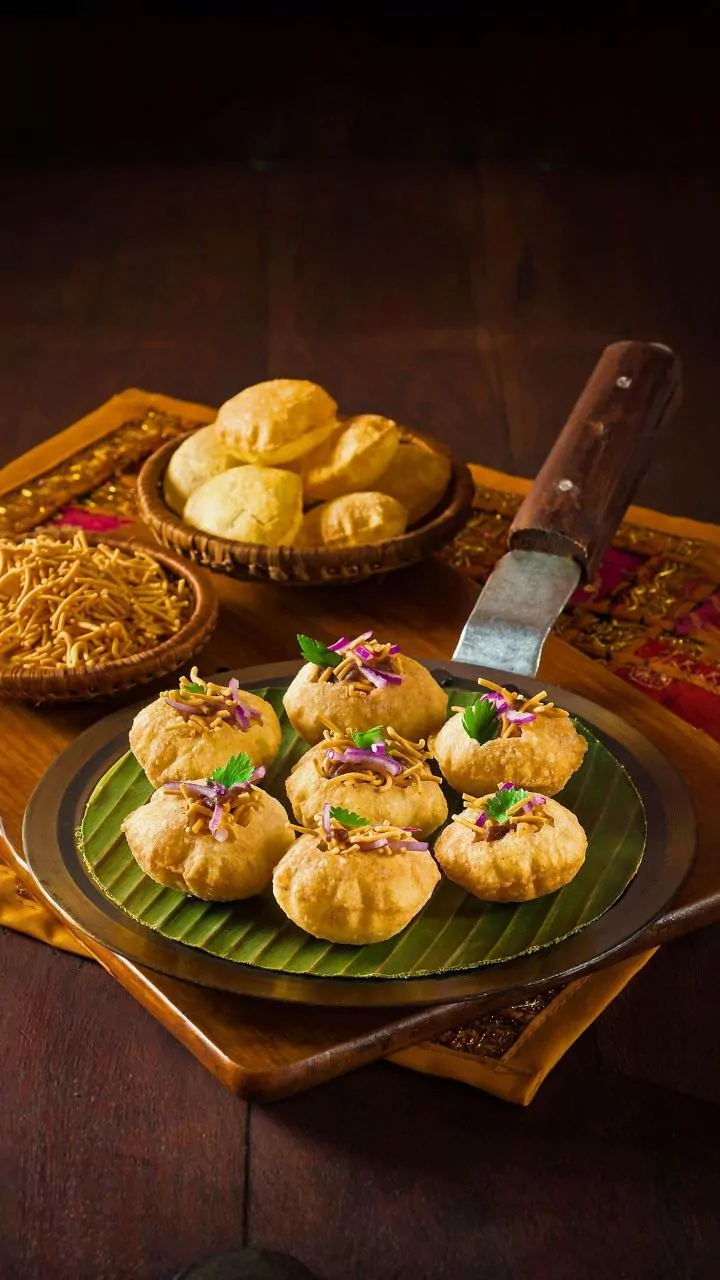
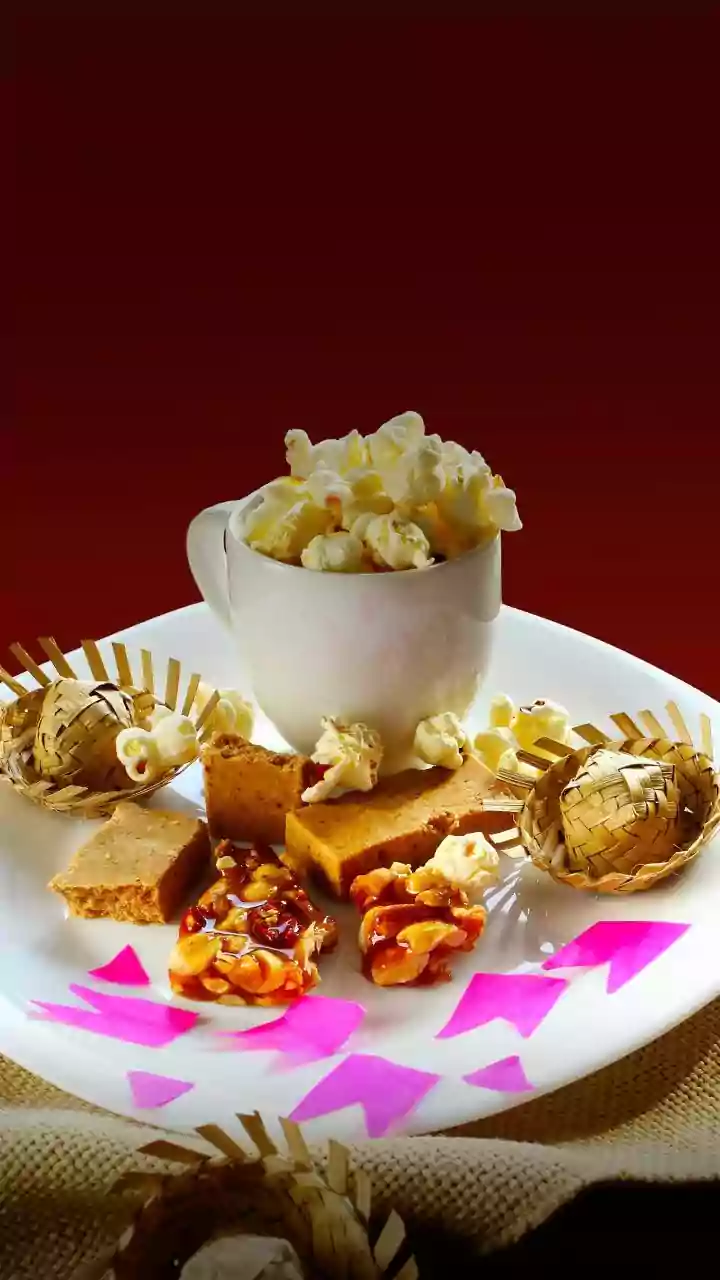
The fusion trend is not confined to one part of the meal; it spans the entire menu. Appetisers are getting a makeover with dishes like Chilli Paneer Loaded Fries and chaat served on hash brown bases. For the main course, you might find a paneer and cranberry nut roast sitting alongside a traditional dal. But it's in the dessert space where this creativity truly shines. Traditional mithai is being deconstructed and reinvented in spectacular ways. Think saffron macarons with cardamom ganache, paan-flavoured truffles, masala chai-infused pies, and shrikhand-frosted cupcakes. These creations showcase how Indian sweets, once bound by convention, are breaking free to become the showstoppers of the festive table.
Preserving the Soul of the Dish
With all this change, is there a risk of losing authenticity? Not according to the chefs and cooks pioneering this movement. The most successful fusion dishes don't erase the original flavour but celebrate it. The goal isn't to mask the taste of a beloved dish but to enhance its texture, presentation, or pairing. As Chef Sanjeev Kapoor has noted, it's about keeping the soul of the dish intact while giving it a fresh perspective. For example, a tandoori marinade brings a familiar Indian smokiness to a Turkish-style pizza, and a classic French toast gets a savoury Indian twist with onions, cilantro, and spices. This approach ensures that even with a global influence, the food remains deeply comforting and recognisably Indian.