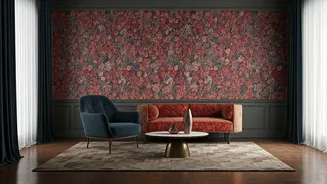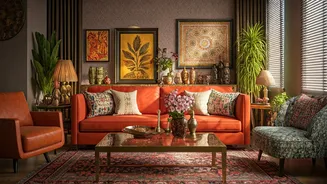



The Joyful 'More is More' Philosophy
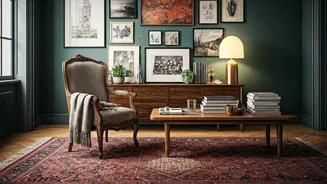
At its heart, maximalism is a celebration of self-expression. It’s the antithesis of minimalism’s “less is more” creed, instead embracing bold colours, layered patterns, and an eclectic mix of objects and furniture. This style encourages you to surround
yourself with things that bring you joy and tell your personal story. Think of it as your own personal gallery, where every piece, from a treasured family heirloom to a quirky flea market find, has a place. The goal is to create a space that is vibrant, deeply personal, and rich with narrative.
The Line Between Maximalism and Clutter
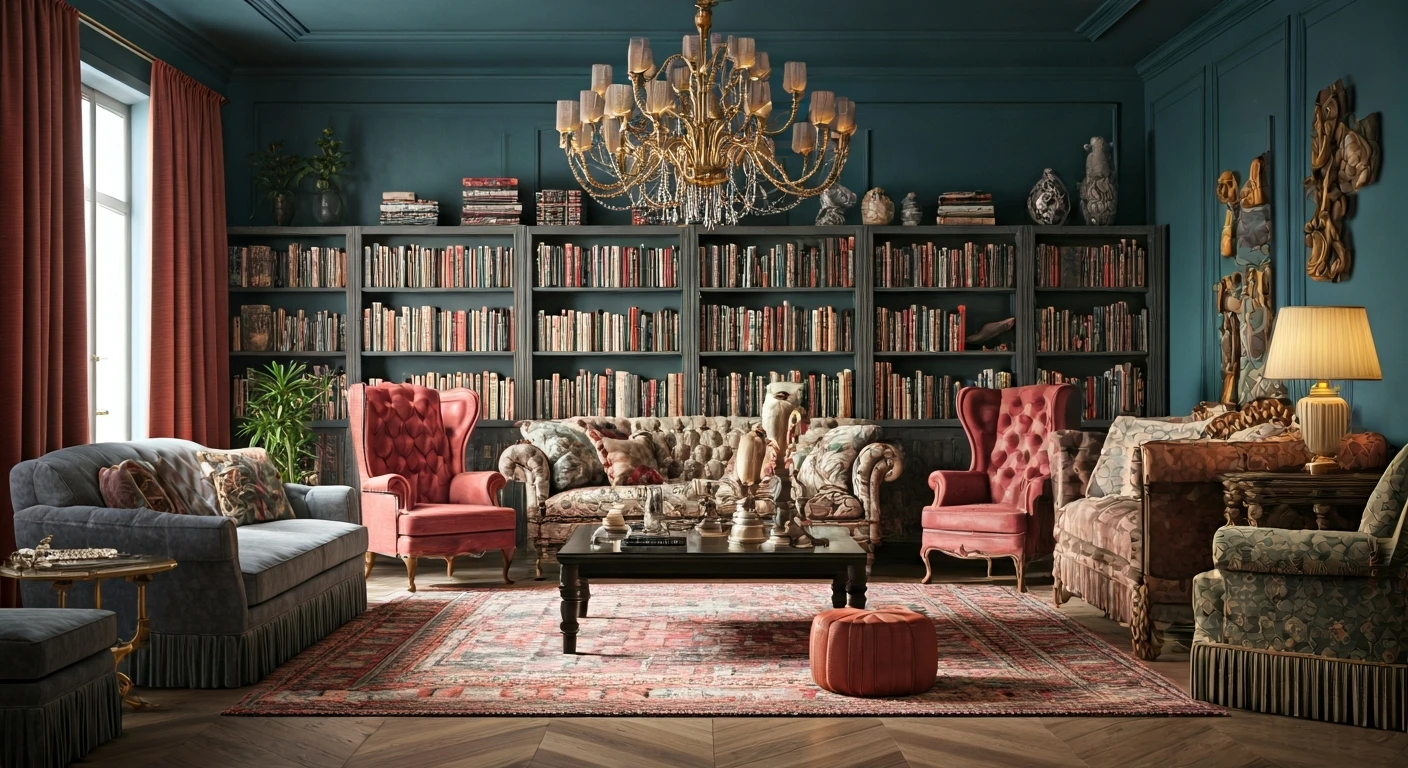
The most common fear with this style is crossing the fine line between curated chaos and just plain clutter. The difference lies in one word: intention. Clutter is what happens when things accumulate without purpose—the mail on the counter, the objects that haven't found a home. Maximalism, on the other hand, is deliberate and considered. While a maximalist room is full, it shouldn't feel careless or overwhelming. Every item is chosen and placed to contribute to a cohesive, albeit busy, whole. It’s the difference between a room that feels stressful and one that delights the eye.
Start With a Unifying Theme
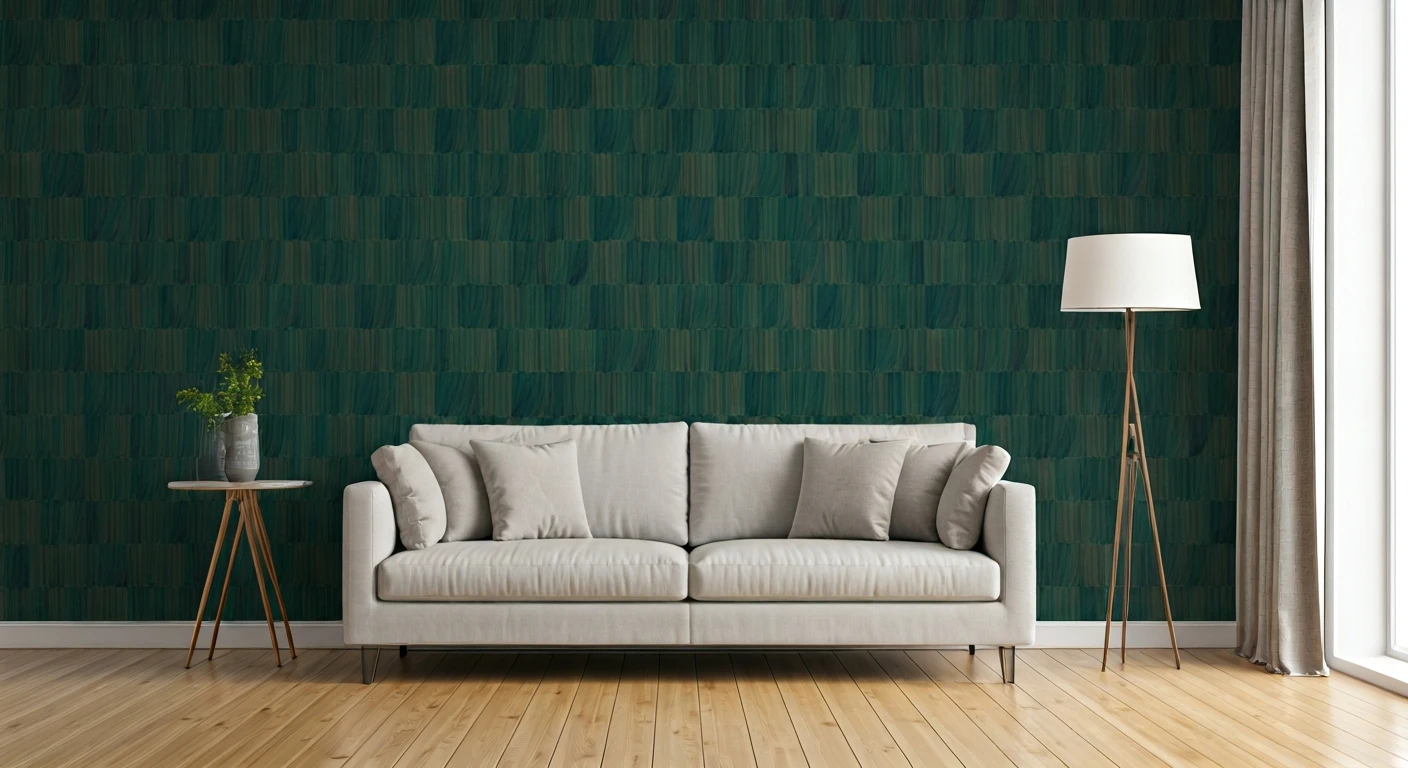
The first step in editing your maximalist space is to establish a unifying thread. This doesn't mean everything has to match, but there should be a common element that ties the room together. This could be a consistent colour palette, where you repeat a few key colours in varying shades and textures throughout the space. Or, your anchor could be a particular style, like Art Deco or Hollywood Regency, which informs your choices in furniture and decor. This foundation provides a rhythm that allows you to layer different patterns and objects without the space descending into visual noise.
Play with Scale and Repetition
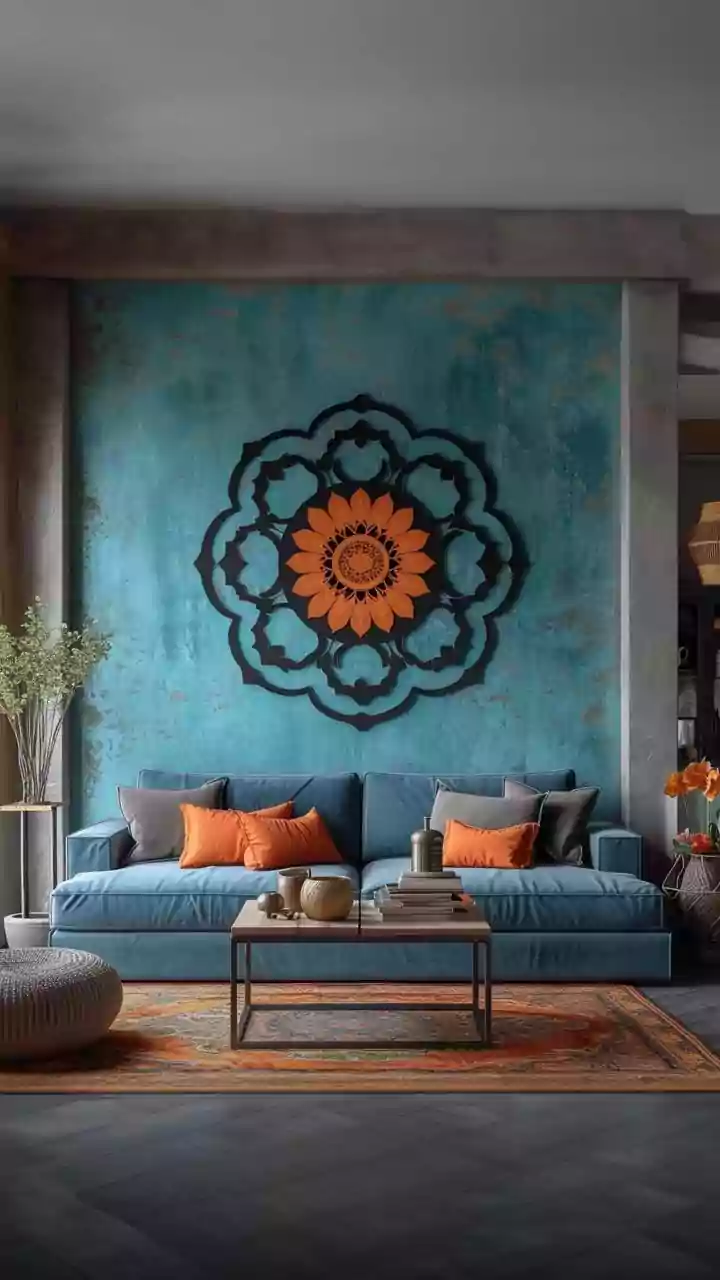
A common mistake is filling a room with lots of small, similarly-sized objects, which can quickly look cluttered. Instead, successful maximalism relies on a playful approach to scale. Place large items next to smaller ones, and mix tall objects with low ones to create a dynamic visual landscape. A large piece of art, a statement rug, or an oversized piece of furniture can act as a focal point, giving the eye a place to rest before it explores the other details in the room. Repeating elements, whether it’s a colour, a shape, or a motif like florals, creates a sense of harmony and guides the eye through the space.
Curate, Don't Just Collect
Maximalism invites you to display your collections, but curation is key. A collected interior is one that evolves over time, filled with meaningful objects. A curated interior is one where those objects are arranged with discipline. The best maximalist spaces are both. Don't be afraid to edit. This might mean rotating items seasonally or grouping smaller items together in vignettes to give them more impact. The act of editing isn’t about removing personality; it’s about refining it so that each piece has room to breathe and be appreciated. Even a maximalist space needs a little negative space to prevent it from feeling overwhelming.