





The desire to stay tucked inside as temperatures drop is strong, but the crisp, cool air can make for an invigorating workout. A few simple adjustments to your routine are all it takes to continue enjoying outdoor exercise safely and comfortably.
Dress in Layers, Not Bulk
The key
to comfort is the three-layer system, which allows you to adjust as your body heats up. Avoid cotton, as it traps moisture and can make you feel cold and damp once you start sweating. Your first layer, the base, should be a synthetic, moisture-wicking fabric like polyester to pull sweat away from your skin. The second, or mid-layer, is for insulation; fleece or wool works perfectly to trap body heat. The final, outer layer should be a lightweight, breathable, and waterproof shell that protects you from wind and rain. This layered approach allows you to remove a layer if you get too warm, helping regulate your temperature throughout your workout.
Prioritise a Dynamic Warm-Up
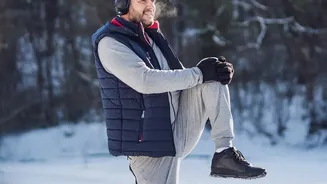
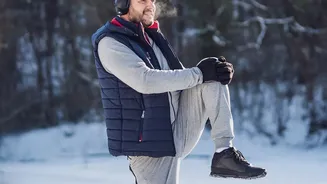
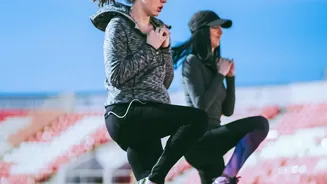
Warming up is even more critical in the cold. Your muscles, tendons, and joints are naturally stiffer in lower temperatures, which increases the risk of strains and injury. Instead of static stretches, which are best saved for your cool-down, focus on dynamic movements. These are active stretches that take your joints through their full range of motion, increasing blood flow and preparing your muscles for exercise. Try doing 5-10 minutes of movements like leg swings, high knees, butt kicks, arm circles, and walking lunges before you head out the door. This helps gradually raise your heart rate and core body temperature, ensuring your body is ready for the workout ahead.
Adjust Your Expectations and Intensity
Your body has to work harder in the cold just to stay warm, which means you may not be able to perform at the same intensity as you do in milder weather. It's important to listen to your body and not push for personal bests, especially on your first few cold-weather outings. Focus on perceived effort rather than pace. Cold air can also feel tight in your lungs, so if your breathing becomes strained, slow down to a walk and take shorter strides. Intense exercise in temperatures below -15°C can even risk lung irritation or damage over time, so on extremely cold days, it might be best to opt for an indoor workout.
Don’t Forget to Hydrate
It’s a common mistake to think you don’t need to hydrate as much in the winter, but it's just as crucial as in the summer. You still lose significant fluid through sweat and respiration—if you can see your breath, you are visibly losing moisture. The cold can also blunt your thirst response by up to 40%, meaning you may not feel thirsty even when your body needs fluids. Aim to drink water before you head out and carry some with you for any workout lasting longer than 45 minutes. A good rule of thumb is to drink about six ounces of fluid every 20 minutes of exercise.
Focus on Safety and Visibility
With shorter daylight hours in the cooler months, visibility is a top priority. Wear bright colours or reflective gear, and consider using a headlamp or carrying a light to help you see and be seen by others. Be mindful of your route, choosing well-lit paths and watching out for slippery spots like black ice or frozen leaves. Also, protect your extremities. A significant amount of body heat is lost through your head, so a hat is essential. Wear gloves or mittens and warm, moisture-wicking socks to protect your hands and feet, which are more susceptible to the cold and frostbite.
Cool Down and Change Quickly
Your cool down is just as important as your warm up. Once you stop exercising, your body temperature will drop quickly. It's crucial to get out of your damp workout clothes as soon as possible to avoid a rapid chill, which can weaken your immune system. Change into dry, warm clothes, and then perform some static stretches to help your muscles relax and prevent stiffness. After a cold workout is also a great time to refuel with a warm beverage like tea or broth to help rehydrate and raise your core temperature from the inside out.