






The Promise of Simplicity
In a busy world, we want quick answers. This is the idea behind Front-of-Pack Labelling (FOPL). Systems like the proposed Indian Nutrition Rating (INR) are designed to give us an at-a-glance verdict on a food's healthiness. Modelled on the Health Star
Rating (HSR) system, it ranks products from half a star to five stars, with the goal of helping consumers make better choices without having to decipher the complex nutrition table on the back. The FSSAI's push for these labels comes from a real need; shoppers spend only a few seconds choosing a product, and clear, simple guidance could theoretically steer us towards healthier options. It’s a well-intentioned effort to bring clarity to the often-confusing supermarket aisle.
When Stars Don't Tell the Whole Story
The problem is that these summary ratings can be misleading. Health experts warn that the HSR system can be manipulated by food companies. The rating algorithm balances 'positive' nutrients like protein and fibre against 'negative' ones like sugar, salt, and saturated fat. This means a sugary breakfast cereal could improve its star rating by adding a small amount of fibre, or a chocolate bar could get more stars by including some nuts. The system can create a 'health halo,' making a fundamentally unhealthy, ultra-processed product appear more virtuous than it is. A high star rating doesn't necessarily mean a food is good for you; it might just mean it's slightly less bad than a comparable product, while still being high in the ingredients we should be limiting.
Looking Beyond the Label
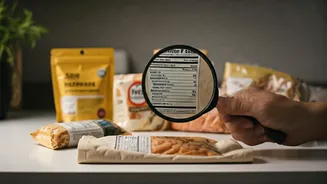
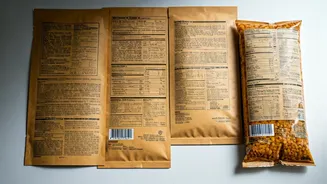
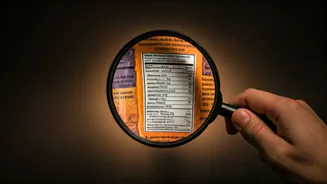
True nutritional wisdom requires looking beyond a single, often flawed, number. The most important information isn't always on the front. The real story is in the ingredients list on the back. A fundamental rule is that ingredients are listed in descending order by weight. If sugar, maida (refined flour), or palm oil are among the first few ingredients, it’s a red flag, regardless of the star rating. Furthermore, front-pack labels often fail to account for the level of processing a food has undergone. Many packaged snacks are ultra-processed foods (UPFs), which are linked to negative health outcomes independent of their nutrient content. These foods are designed to be 'hyper-palatable,' making them easy to overeat. No star rating currently captures this crucial aspect of food quality.
An Empowered Shopper's Toolkit
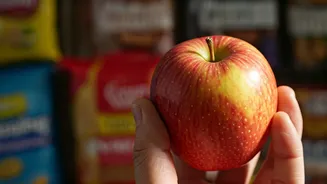
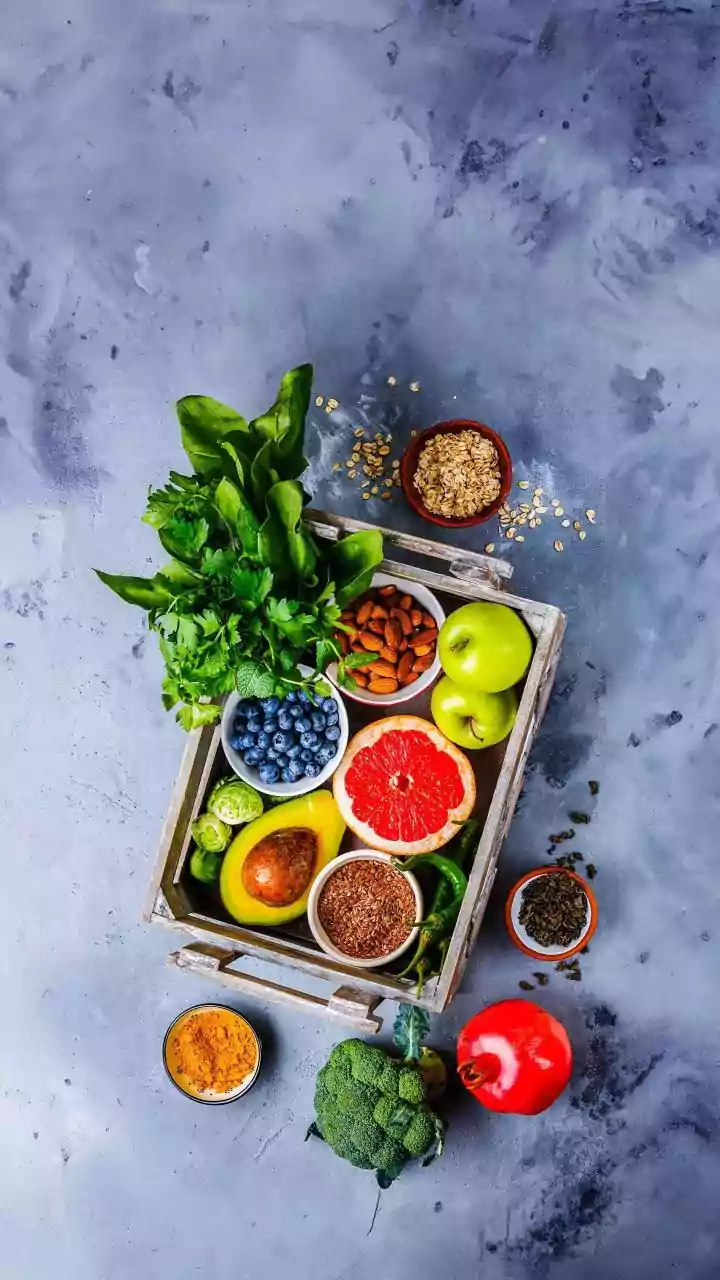
Instead of outsourcing our trust to a star system, we can become more discerning shoppers. First, always read the ingredients list. Look for whole foods and ingredients you recognize. Second, check the nutrition panel for the amount of added sugar and sodium per serving, not just the total. Be wary of misleading claims like 'multigrain' or 'natural,' which aren't regulated guarantees of health. A 'multigrain' biscuit can still be made mostly of refined flour. Third, pay attention to serving sizes. A bag of chips might seem reasonable in calories until you realize the package contains three servings. Finally, prioritize foods that are unprocessed or minimally processed, like fresh fruits, vegetables, and nuts, which don't need a label to tell you they're healthy.