







A Worryingly Dry Start
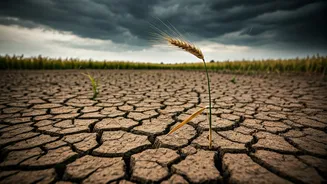
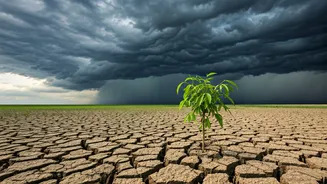
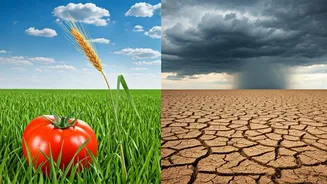
The 2026 southwest monsoon has had a sluggish and concerning start. As of late June, the country faced a significant rainfall deficit of over 40%, making it one of the driest Junes on record. The India Meteorological Department (IMD) noted that cumulative
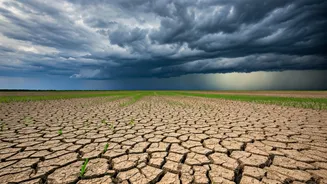
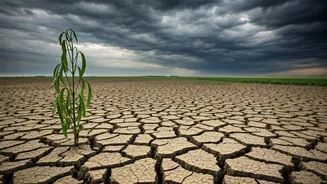
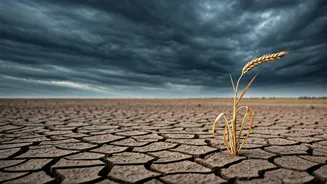
rainfall from June 1st to 28th was just 85.2 mm, far below the long-period average of 149.8 mm. This deficiency is widespread, with central India experiencing a shortfall of 56% and other regions also reporting significantly less rain than normal. While the monsoon did arrive in Kerala around June 4th, it failed to advance with its usual vigour, stalling for nearly two weeks and leaving vast agricultural belts parched.
The Direct Hit on Kharif Sowing
This lack of rain comes at the most critical time for India’s farmers: the sowing season for kharif crops. These are the summer crops, including rice, pulses (like arhar and moong), soybeans, cotton, and coarse cereals, which are heavily dependent on monsoon rains. The weak start to the monsoon has directly impacted sowing activities. While early data from mid-June showed that rice and bajra planting had started on a positive note, the sowing of crucial crops like pulses, cotton, and soybean was lagging behind the previous year's pace. A significant delay or deficit in rainfall can shrink the total area under cultivation and reduce crop yields, threatening the output of essential food items. The government has already identified over 300 districts as potentially vulnerable to the weak monsoon, with 111 of them marked as high priority due to their limited irrigation coverage.
From Fields to Your Kitchen
The connection between farm output and your grocery bill is direct. A lower-than-expected harvest means reduced supply in the market, which inevitably pushes prices up. Perishable items like vegetables are often the first to react. Recent data from mid-June already shows volatility, with tomato prices accelerating sharply due to the intense summer heat and supply issues. While potato prices have been stable due to good storage from a previous bumper crop, the prices of leafy vegetables have seen dramatic spikes. If the monsoon doesn't pick up, staples like pulses and edible oils could be next. India often imports pulses and edible oils to meet domestic demand, and lower domestic production would increase this reliance, making the country susceptible to global price trends. An expected 10% deficit in monsoon rains could add as much as a full percentage point to headline inflation, driven primarily by food prices.
Beyond the Harvest: A Wider Economic Impact
The monsoon's influence extends far beyond the kharif season. The rains are crucial for replenishing reservoirs, which provide drinking water and are essential for irrigating the next cycle of winter crops (rabi crops), such as wheat. Low reservoir levels can also strain hydropower production. Furthermore, since the agricultural sector provides livelihoods for nearly half of India's population, a poor monsoon can depress rural incomes. This leads to a drop in rural demand for everything from fast-moving consumer goods to two-wheelers, creating a drag on the broader economy. While India has built some resilience against weak monsoons through buffer stocks of grains like rice and wheat, these stockpiles do not cover perishables, pulses, or oilseeds, leaving the food economy vulnerable.