



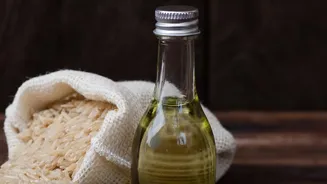
An Ancient Tradition Rediscovered
The use of rice water in beauty rituals is not a new trend. For centuries, women across Asia have relied on this simple, starchy liquid. The famed Yao women of Huangluo village in China, known for their exceptionally long and healthy hair, have traditionally
washed their hair in fermented rice water. This practice is also found in historical Japanese and Southeast Asian beauty culture, where it was valued for keeping hair strong, smooth, and lustrous. While many Indian hair traditions focus on oiling with ingredients like amla, reetha, and shikakai, rinsing with fermented rice water (known as 'kanji') has also been a practice in certain regions.
The Science of Shine for Hair
The claims about rice water's benefits for hair are compelling: increased elasticity, reduced friction, enhanced shine, and stronger strands. The science behind this lies in its composition. Rice water is rich in amino acids, B vitamins, vitamin E, and minerals. A key component is inositol, a carbohydrate that has been shown to penetrate hair, reduce surface friction, and create a protective film even after rinsing. Fermentation enhances these properties. The process lowers the water's pH to be closer to the hair's natural acidity, which helps the cuticle lie flat, resulting in a smoother appearance. It also breaks down large proteins into smaller, more bioavailable amino acids that can better reinforce the hair structure.
Does It Really Boost Growth?
While social media is filled with claims that rice water makes hair grow faster, the scientific evidence for this specific claim is thin. There are no major clinical trials that directly prove rice water accelerates hair growth from the follicle. However, by strengthening the hair shaft and reducing breakage, it can help preserve length, giving the appearance of faster growth. Some research has focused on rice bran extract, which has shown promise in animal and in-vitro studies for promoting growth factors, but this is a concentrated form and not the same as the simple water left from soaking rice. Essentially, rice water is an excellent conditioner that protects existing hair rather than a guaranteed growth stimulant.
A Gut Feeling: The Internal Remedy
More recently, wellness creators have begun promoting the consumption of fermented rice water as a gut health remedy. The logic is that the fermentation process creates probiotics (beneficial bacteria) and postbiotics (their metabolic byproducts), which can support a healthy gut microbiome. Some nutritionists suggest it may help reduce gut inflammation and improve digestion. However, this is where significant caution is required. Unlike topical application, consuming homemade fermented products carries risks. Improper fermentation can lead to the growth of harmful bacteria. Furthermore, the source of the rice is important, as rice can contain levels of arsenic that become concentrated in the water.
The DIY Trend and What to Watch For
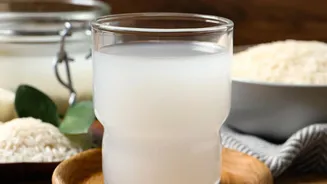
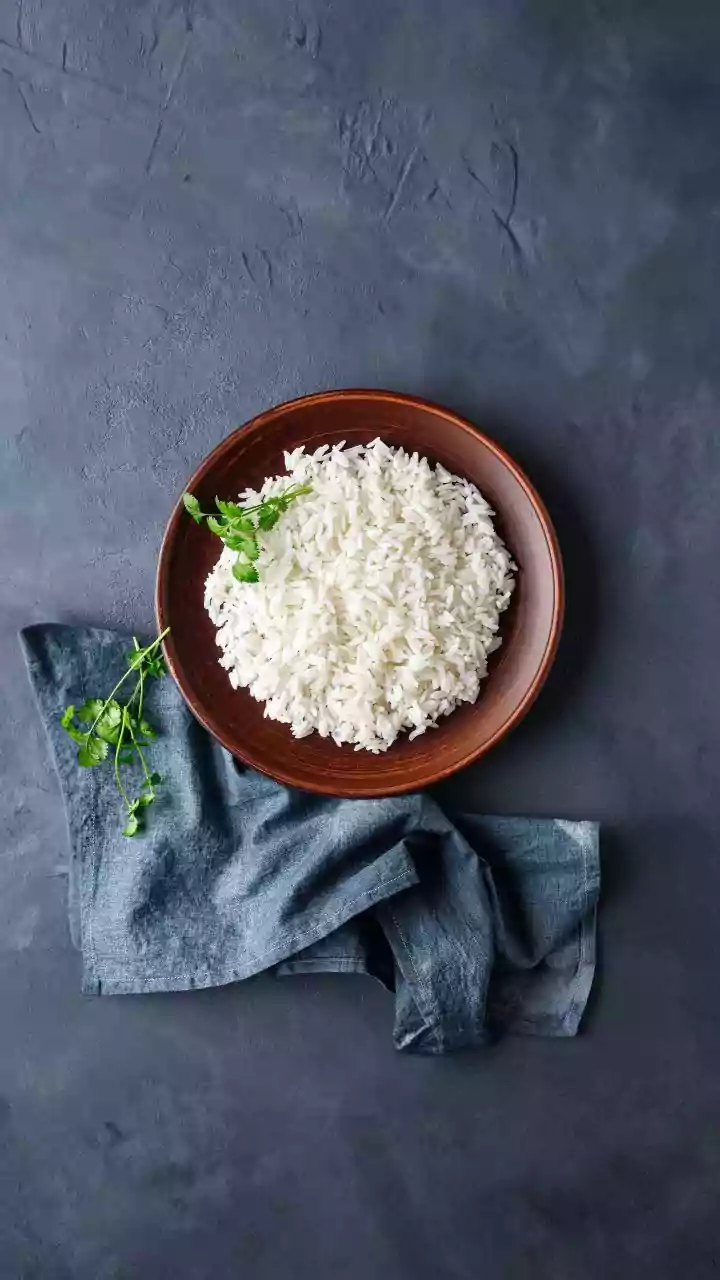
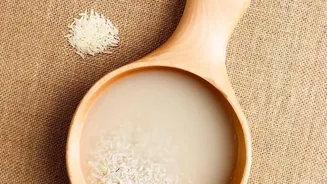
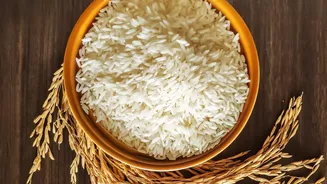
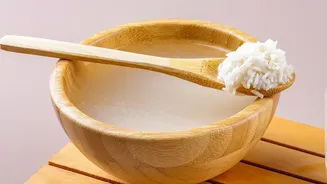
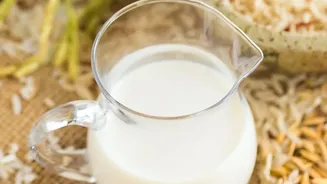
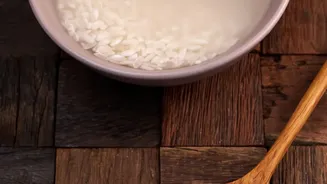
Making fermented rice water at home is simple: the cloudy water left after rinsing or soaking rice is left at room temperature for a day or two until it becomes slightly sour. For hair care, it's generally considered safe when diluted and used as a rinse once or twice a week. However, because the fermented version is more potent, overuse can lead to 'protein overload,' making hair feel stiff and brittle, especially for those with fine or low-porosity hair. When it comes to drinking it, the risks of contamination are much higher. There are no standardized guidelines for safe home preparation for consumption, making it a practice best approached with extreme care or avoided in favour of commercially produced, quality-controlled probiotic products.