




A Pantry Transformed
The contents of the Indian pantry are undergoing a quiet but significant revolution. While traditional staples like basmati rice, atta, and yellow dal remain, they are now sharing shelf space with a growing list of 'alternative' foods. This includes ancient
grains like quinoa and oats, a variety of seeds like chia and flax, and plant-based dairy products such as almond and soy milk. Supermarkets in urban centres dedicate entire aisles to organic products, gluten-free options, and functional foods fortified with extra nutrients. This shift isn't just about adding new items; it reflects a deeper change in how Indians think about food, health, and lifestyle.
The Health and Wellness Wave
The primary driver behind this transformation is a surge in health consciousness across the country. With a rising incidence of lifestyle diseases like diabetes and heart conditions, many Indians are proactively managing their diets as a form of preventive healthcare. Consumers are increasingly reading labels, seeking out foods high in fibre and protein, and avoiding artificial ingredients and preservatives. This has created a robust market for products perceived as healthier, from whole grains with a low glycaemic index to plant-based proteins. According to one 2025 report, over half of Indian consumers actively try to manage their diet.
Back to the Roots: The Millet Revival
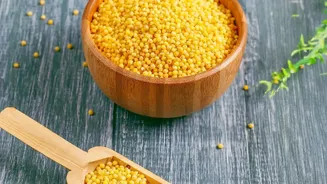
Interestingly, a significant part of this 'alternative' food trend is not about embracing foreign fads, but rediscovering India's own culinary heritage. Millets—such as jowar (sorghum), bajra (pearl millet), and ragi (finger millet)—were staples in the Indian diet for thousands of years before being sidelined by the Green Revolution's focus on wheat and rice. Today, they are making a powerful comeback. Promoted for their nutritional benefits, drought resistance, and gluten-free properties, millets are being championed by the government and health experts alike. The UN's declaration of 2023 as the International Year of Millets further boosted this revival, repositioning these 'forgotten grains' as future-facing superfoods.
A Globalised Palate
Simultaneously, globalisation and digital connectivity have broadened the Indian palate. Exposure to international cuisines through travel, social media, and cooking shows has sparked curiosity and a desire to experiment with global ingredients. Foods like quinoa, kale, and avocados, once found only in exclusive restaurants, are now readily available. This exposure has normalised the idea of incorporating non-traditional foods into daily meals. Furthermore, the growth of e-commerce has made it easier than ever for consumers, even outside major metros, to access a wide variety of domestic and imported health foods.
The Rise of Conscious Consumption
Beyond personal health, a growing segment of consumers is making food choices based on ethical and environmental concerns. This has fuelled the demand for plant-based alternatives to meat and dairy. While India has a long history of vegetarianism, the modern plant-based movement is also driven by awareness of the dairy industry's environmental footprint and issues of lactose intolerance. The plant-based dairy market, in particular, has seen significant growth, serving as an entry point for many consumers into the broader category. As a result, brands are innovating to create products like plant-based curd and paneer that cater to traditional Indian tastes.