






What Is Iodine and Why Does It Matter?
Iodine is a trace mineral that your body needs but cannot produce on its own. Its primary job is to help your thyroid gland, a small butterfly-shaped organ in your neck, produce thyroid hormones. These hormones, namely thyroxine (T4) and triiodothyronine
(T3), are crucial for regulating your metabolism, which is how your body uses energy. They also play a vital role in growth, brain development, and body temperature. When your iodine intake is too low, your thyroid can't do its job properly, leading to a range of health issues. This is particularly critical during pregnancy and infancy, as iodine is essential for fetal and infant brain development. A severe deficiency can lead to irreversible conditions.
How Much Do You Really Need?
The daily iodine requirement is surprisingly small. According to health authorities, most adults need about 150 micrograms (mcg) per day. However, needs increase significantly during certain life stages. Pregnant women are advised to get around 220-250 mcg daily, while breastfeeding mothers should aim for 250-290 mcg to support both their own health and their baby's development. India's Universal Salt Iodisation (USI) program, a major public health success, was designed to help the population meet these needs easily. The program ensures that most packaged salt available in the market is fortified with iodine, making deficiency less common than it once was.
Finding Iodine on Your Plate
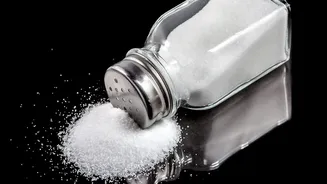
For most people in India, the primary source of iodine is iodized salt. Just by using this salt in daily cooking, you can cover a significant portion of your needs. Beyond salt, several other foods are good sources. Dairy products like milk and curd are excellent vegetarian options, containing iodine absorbed from animal feed. Eggs are another reliable source. For those with coastal diets, seafood such as marine fish and prawns are naturally rich in iodine. Some vegetables and fruits, like potatoes (with the skin) and prunes, also contribute smaller amounts. It's important to note that many processed foods use non-iodized salt, so relying on them won't boost your iodine intake.
Are You at Risk for Deficiency?
Despite the success of salt iodisation, certain groups remain at risk. People who intentionally avoid iodized salt, including those who prefer specialty salts like sea salt or Himalayan pink salt (which are not typically iodized), may fall short. Pregnant and breastfeeding women have higher needs and must be particularly mindful of their intake. Additionally, individuals on strict vegan diets who avoid dairy, eggs, and seafood may need to plan their iodine sources carefully. Symptoms of iodine deficiency are often linked to an underactive thyroid (hypothyroidism) and can include fatigue, unexplained weight gain, sensitivity to cold, dry skin, hair loss, and an enlarged thyroid gland known as a goiter.
The Truth About Iodine Supplements
With the rise of wellness culture, iodine supplements have become popular, often marketed with bold claims about boosting energy and metabolism. However, for the average person consuming a balanced diet with iodized salt, these supplements are usually unnecessary. In fact, taking in too much iodine can be as harmful as getting too little. Excessive iodine intake, particularly from high-dose supplements, can disrupt thyroid function, leading to either hypothyroidism or hyperthyroidism (an overactive thyroid). Most experts, including the American Thyroid Association, caution against supplements containing more than 500 mcg of iodine per day unless specifically prescribed by a doctor. Supplements are typically only recommended for specific populations, like pregnant women under medical guidance, or in regions with severe, persistent deficiency.