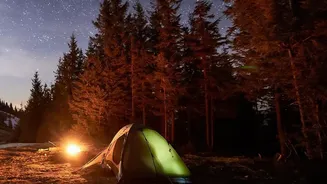







In a world saturated with noise and light, the craving for genuine quiet and darkness is more than a preference—it’s a deep-seated need. A quiet mountain escape offers the perfect antidote, a place to reset your senses and reconnect with yourself.
The Underrated Luxury of Silence
Our
daily lives are a constant barrage of noise: traffic, notifications, conversations, and the ambient hum of electronics. This endless stimulation keeps our nervous systems in a state of high alert, contributing to stress and mental fatigue. A mountain getaway offers a rare and profound commodity: true silence. Escaping to a place where the soundscape is dominated by wind in the trees or a distant bird call allows the brain’s 'fight-or-flight' response to finally stand down. Research shows that spending time in quiet, natural settings can lower levels of the stress hormone cortisol, reduce blood pressure, and improve focus. This isn't just about the absence of noise, but the presence of 'soft fascination'—gentle, natural stimuli that capture our attention without demanding intense focus, allowing our minds to recover and our creativity to flourish.
A Front-Row Seat to the Cosmos
For anyone who has looked up from a city sidewalk and seen only a handful of stars, the night sky above a remote mountain is a breathtaking revelation. Mountains provide the ideal conditions for stargazing for two key reasons: higher elevation and lower light pollution. At higher altitudes, you are above much of the dense, hazy atmosphere that can obscure celestial objects, making the stars appear sharper and brighter. More importantly, the distance from urban centers means a significant reduction in 'skyglow', the dome of artificial light that washes out all but the brightest stars. In these pristine dark sky environments, the Milky Way arches across the heavens in intricate detail. This experience often inspires a sense of awe, a powerful emotion that psychologists say can make our personal worries feel smaller, promote kindness, and connect us to something larger than ourselves.
The Power of an Uninterrupted Path
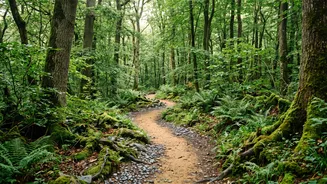
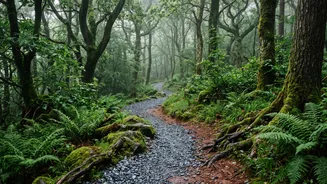
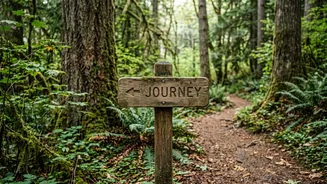
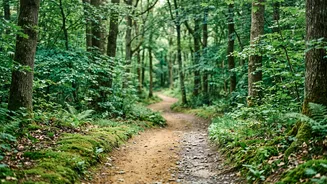
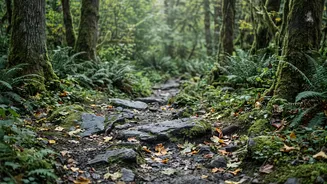
A walk in a city park is pleasant, but a walk on a quiet mountain trail is restorative. The key is the lack of interruption. Without the need to navigate crowds, traffic, or constant distractions, you can fully immerse yourself in the experience. This is the essence of 'forest bathing', or Shinrin-yoku, a Japanese practice of mindful immersion in nature. Studies show that walking in a forest environment can lower your heart rate, boost your immune system through the inhalation of natural oils from trees called phytoncides, and improve your mood. An uninterrupted nature walk allows you to disconnect from digital devices and the mental overload they create. It provides the space for your mind to wander, fostering clarity, reducing rumination, and allowing for deeper, more creative thoughts to surface.
Finding Your Mountain Sanctuary
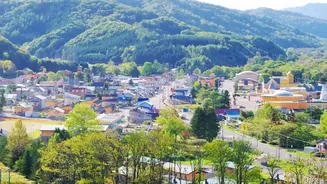
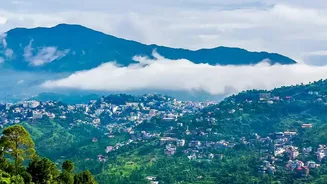
You don't have to be an expert mountaineer to find your perfect quiet escape. The key is looking for places that prioritize nature over commercialism. Many national and state parks are designated as International Dark Sky Parks, which are certified for their exceptional starry nights and protected nocturnal environments. These areas are fantastic starting points. Small towns nestled in mountain ranges like the Rockies, Appalachians, or Sierra Nevada often offer a slower pace and easy access to trails. Look for communities that are gateways to national forests rather than major tourist hubs. Places like Stanley, Idaho; Taos, New Mexico; and Stowe, Vermont, have built reputations around their tranquil, nature-focused atmospheres. The goal is to find a basecamp where the landscape, not a busy itinerary, sets the schedule.