


The Hidden Dangers of Slippery Surfaces
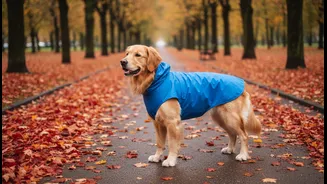
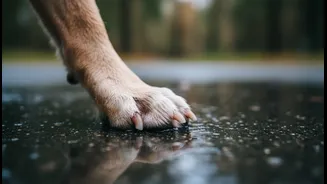
Wet or icy weather brings more than just a change in temperature; it introduces a range of risks for your dog's paws. Slippery surfaces from rain, ice, or snow increase the chance of slips and falls, which can lead to muscle strain or joint injuries.
Beyond the physical risk, sidewalks and roads are often treated with salt or chemical de-icers in winter. These products can cause chemical burns, irritation, and dryness on paw pads. If dogs lick their paws after a walk, they can ingest these toxic chemicals, leading to gastrointestinal issues like vomiting and diarrhea. Even without chemicals, constant exposure to moisture can lead to fungal or bacterial infections between the toes, while frozen ground can cause painful cracks.
Why Nail Length Is Crucial for Traction
Proper nail length is fundamental to your dog's stability, especially on slick ground. Long nails act like oversized shoes, preventing the paw pads from making full contact with the surface. This reduces their natural grip and makes them more prone to slipping. When a dog’s nails are too long, they can also alter their gait, forcing them to shift their weight unnaturally, which puts stress on their joints and can contribute to long-term posture problems and even arthritis. Furthermore, long nails are more likely to get snagged on unseen obstacles under snow or leaves, leading to painful breaks or tears that can expose the sensitive quick and result in bleeding and infection. Keeping nails trimmed ensures your dog can use their paws effectively for better balance and traction.
Your Step-by-Step Paw Inspection Routine
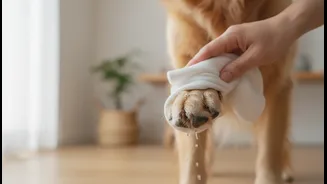
Making a paw check a regular habit, especially after every walk in wet weather, is one of the best preventative measures you can take. First, gently wipe each paw with a warm, damp cloth to remove any salt, dirt, or chemical residue. Pay special attention to the areas between the toes, where debris and ice balls can hide. Once clean, carefully inspect the paw pads for any signs of injury like cuts, cracks, blisters, or redness. Gently press on the pads to check for tenderness. Also, check for any foreign objects like thorns, pebbles, or glass shards that may have become lodged in the paw. Finally, examine the nails for any splits or breaks. This daily check only takes a few minutes but can help you catch problems before they become serious.
Protective Measures Before and After Walks
A proactive approach can significantly reduce the risk of paw injuries. Before heading out, consider applying a layer of paw balm or wax. These products create a protective barrier on the pads, shielding them from abrasive salt and drying cold. For dogs in very cold or slushy environments, waterproof booties offer the best protection, keeping paws warm, dry, and safe from chemicals and sharp objects hidden under the snow. If your dog has long hair, keeping the fur between their toes trimmed short can prevent painful ice balls from forming and makes cleaning easier. After every walk, the most crucial step is to clean and dry your dog’s paws thoroughly. This simple action removes harmful de-icing salts and prevents the moisture buildup that can lead to skin infections.
Recognizing the Signs of Paw Discomfort
Dogs are often stoic, but their behavior can signal when their paws are bothering them. Obvious signs include limping, reluctance to walk, or frequently stopping to lift a paw. A more subtle clue is excessive licking or chewing at the paws, which often indicates irritation, an allergic reaction, or pain. You might also notice redness, swelling, or a foul odor coming from the paw, which could signal an infection. If you see blisters, visible cracks, or bleeding, it's a clear sign of injury. Any change in your dog's usual behavior during or after a walk warrants a closer look at their paws to rule out any issues.