





From Mood Boards to Machine Dreams
For years, redecorating started with a familiar ritual: endless scrolling on Pinterest, tearing pages from magazines, and creating a collage of ideas called a mood board. This process is all about inspiration. But what if you could skip the collage and generate
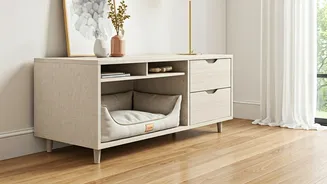
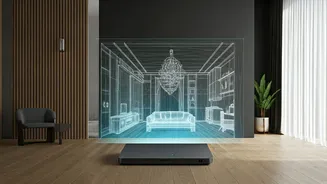
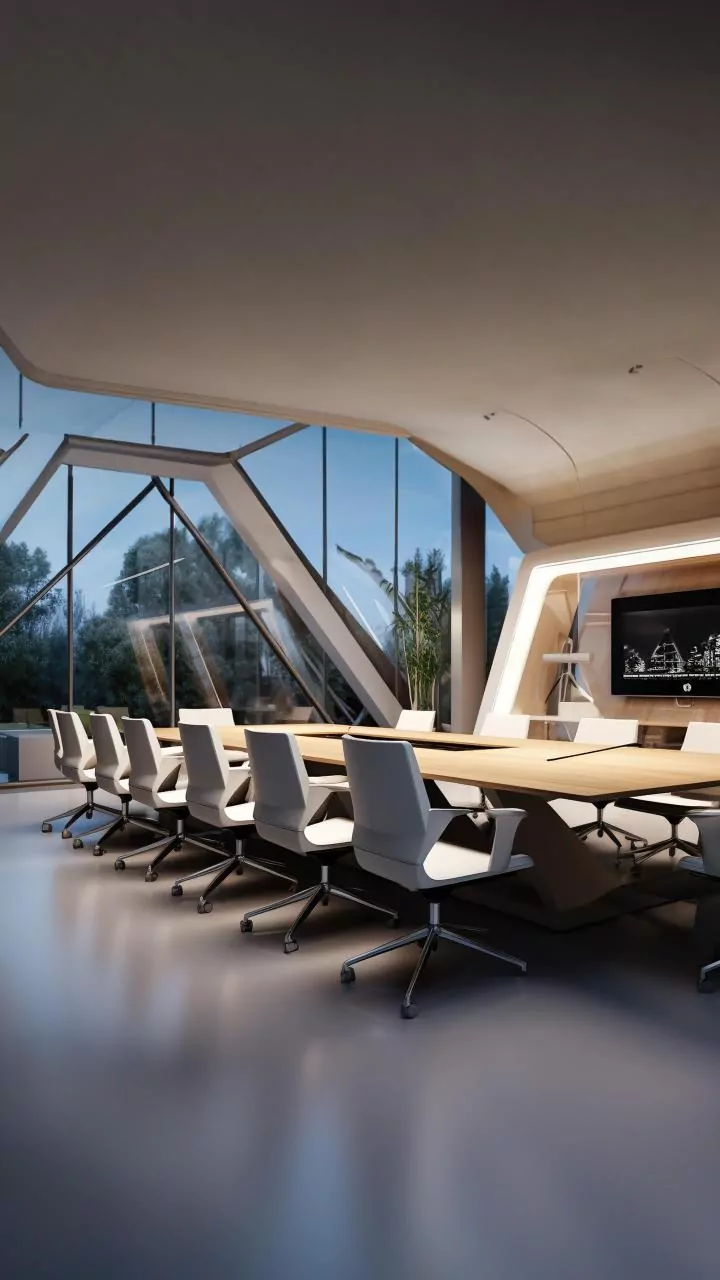
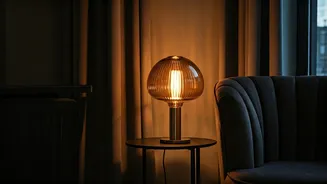
a finished picture of your exact idea? That’s the new reality with AI design tools. These platforms use generative AI—the same technology behind ChatGPT and DALL-E—to create original images from simple text descriptions. Instead of searching for a “blue living room,” you can now ask an AI to create a “spacious living room with a royal blue accent wall, light wood floors, a tan leather sofa, and brass fixtures, in the style of a modern Mumbai apartment.” Within moments, you have a unique, photorealistic render of your vision.
How Does It Actually Work?
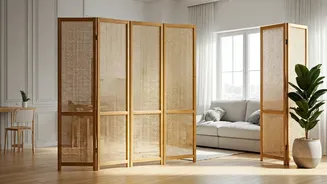
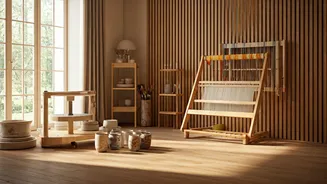
There are two main ways people are using AI for home design today. The first is for pure, unadulterated inspiration. Tools like Midjourney or DALL-E 3 are like creative sandboxes. You can feed them wild prompts, like “a minimalist reading nook with a jharokha window overlooking a rainy Kerala landscape,” and see what the machine imagines. It’s a powerful way to discover new aesthetic combinations you might never have considered. The second, more practical approach involves tools specifically built for interior design, such as Interior AI, Replicate, or Homestyler. With these, you can upload a photo of your actual room—clutter and all. Then, you can ask the AI to redesign it in a specific style. Want to see your boring bedroom transformed into a bohemian paradise or a serene Japandi retreat? Upload a picture, select a style, and the AI will generate multiple options, keeping your room’s basic layout, windows, and doors in place. It's like having a lightning-fast interior designer on call.
The Democratisation of Good Design
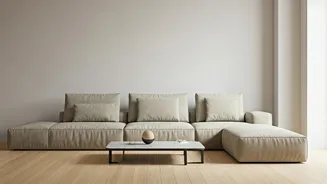
The biggest advantage of this technology is access. Professional interior design has often been a luxury service, out of reach for many. AI tools are breaking down that barrier. For a small fee or even for free, anyone with an internet connection can now experiment with high-level design concepts. This ability to instantly visualise changes is a game-changer. You can test out a bold paint colour without lifting a brush, see if a large sectional sofa will overwhelm your space, or decide between different furniture layouts in minutes, not days. It removes the guesswork and the fear of making a costly mistake, empowering homeowners to take more creative risks and make more confident decisions about their personal spaces.
But Where's the Human Touch?
Of course, AI is not a perfect replacement for a human designer. While it’s brilliant at aesthetics, it often lacks a grasp of practicality and personal context. An AI might generate a beautiful image with a floating bookshelf that defies gravity or place a chic armchair where it blocks the main walkway. It doesn't understand your family's daily routines, your need for storage, or the sentimental value of your grandmother’s old trunk. Many professional designers view these tools not as competitors, but as assistants. They use AI to quickly generate initial concepts for clients, freeing up more time for the crucial human elements of design: understanding a client’s lifestyle, solving spatial problems, and sourcing real, tangible furniture and materials. The algorithm can create a pretty picture, but a human curates a home.
Your Future Smart Home
This is just the beginning. The integration of AI into home design is set to become even more seamless. Imagine pointing your phone at a sofa in a store, and an app instantly shows you what it would look like in your living room. Or picture e-commerce sites where you can upload a photo of your space and have AI recommend a curated set of furniture, lighting, and decor that fits your budget and style, all available to purchase with one click. We may also see AI play a bigger role in suggesting sustainable and locally sourced materials, helping us design homes that are not only beautiful but also responsible. The future isn't about robots choosing our curtains, but about technology giving us better, smarter, and more personalised ways to create spaces we love.