






The Great Escape From Urban Burnout
For years, the path to a successful tech career in India led straight to the bustling, expensive hubs of Bengaluru, Gurgaon, or Mumbai. But the pandemic-induced shift to remote work has permanently altered that map. Tech professionals, armed with newfound
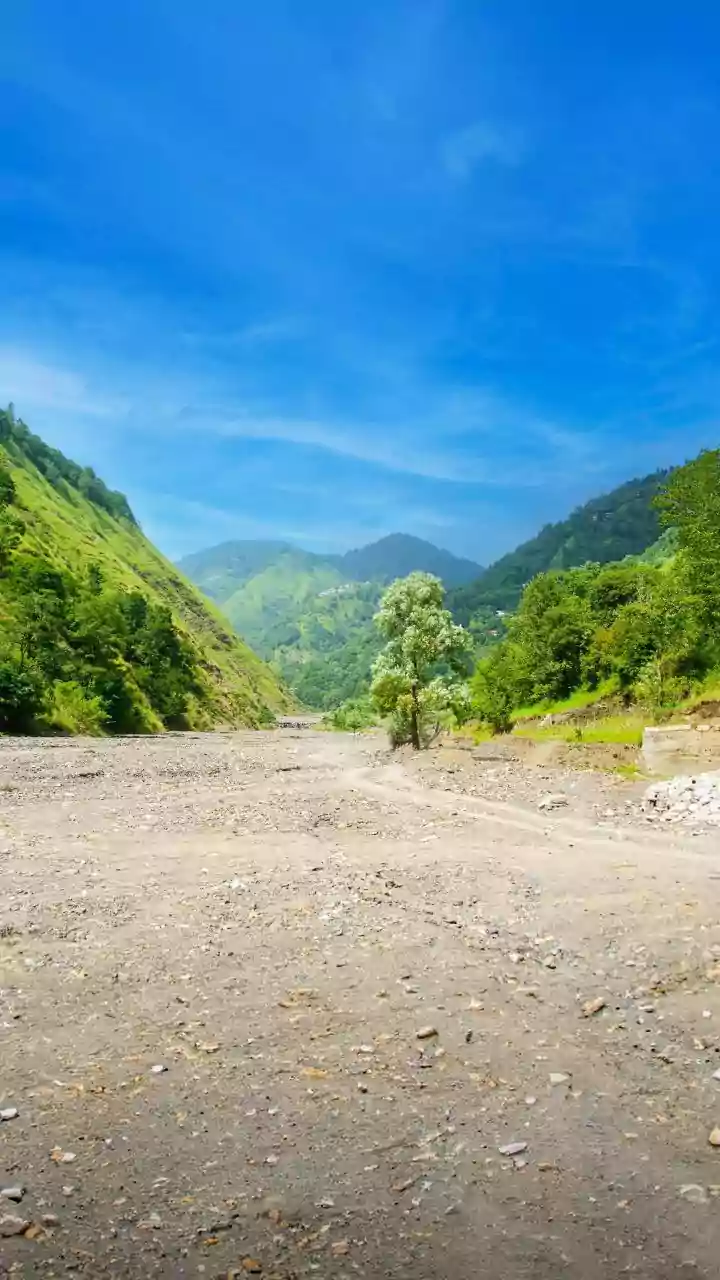
flexibility, are increasingly questioning the trade-offs of city life: the high rents, the endless commutes, the pollution, and the pervasive burnout. This has sparked a quiet migration not just away from the office, but away from the city itself. The destination? Serene, affordable mountain towns that offer a different definition of 'good living'. This is not just a vacation; it's a lifestyle redesign, where work supports life, not the other way around.
Why Kasol and Jibhi?
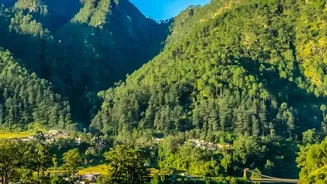
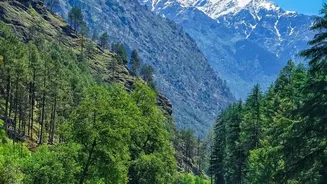
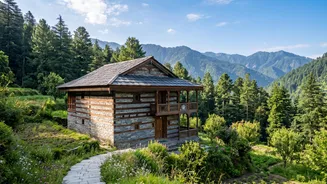
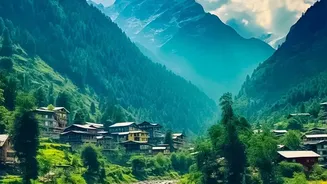
Among the many Himalayan retreats, Kasol in the Parvati Valley and Jibhi in the Tirthan Valley have emerged as hotspots for this new breed of digital nomad. Their appeal lies in a unique blend of factors. Historically known as backpacker havens, these towns already possess a laid-back, bohemian vibe that resonates with a younger, experience-seeking crowd. More importantly, they are significantly more affordable than their metro counterparts. A monthly budget that would barely cover rent for a shared flat in a city can fund a comfortable life in the hills, including accommodation and food. This financial freedom, combined with breathtaking natural beauty, makes the decision a compelling one for many.
A Day in the Life: Code and Campfires
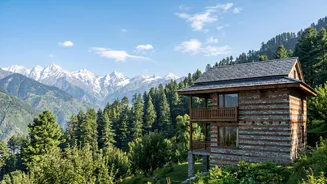
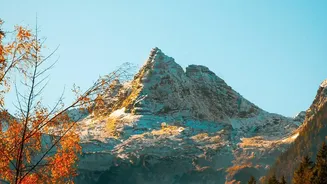
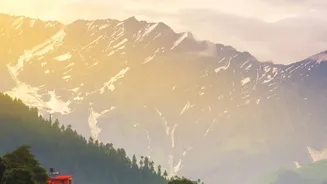
Imagine swapping the morning traffic jam for a walk along a glistening river. Instead of a cramped cubicle, your office is a cafe balcony with a panoramic view of snow-capped peaks. This is the daily reality for workationers. A typical day might involve a focused coding session in the morning, fuelled by strong coffee and crisp mountain air. Afternoons could be for virtual meetings, followed by a trek to a nearby waterfall or exploring a quaint village. Evenings are often spent socialising with other remote workers around a campfire, a stark contrast to the isolating nature of city work-from-home setups. It’s a work-life integration where productivity is balanced with well-being and adventure.
The Reality Check: Wi-Fi, Power, and Loneliness
The Himalayan workation dream is not without its challenges. The single biggest hurdle is reliable internet. While connectivity in hubs like Kasol town and certain parts of Jibhi has improved dramatically with the arrival of fibre broadband and 5G, it can still be patchy. A sudden storm can knock out power and internet for hours, making it crucial to choose homestays with power backup. Beyond infrastructure, there's the human element. The initial solitude can sometimes curdle into loneliness, and the lack of urban conveniences, from varied food options to quick medical access, requires a significant adjustment. Successful workationers learn to be self-reliant and plan ahead, keeping multiple data SIM cards and a pragmatic mindset.
The Cost-Benefit Analysis
Financially, the move is often a clear win. A basic room in a shared Delhi property can cost upwards of ₹15,000 per month. In contrast, long-stay homestays or even co-living spaces in places like Jibhi or Bir can offer a private room and meals for ₹20,000 to ₹30,000. Some find furnished 2BHKs for under ₹10,000 in villages near main towns. Food costs are also significantly lower. This affordability frees up income that would otherwise be consumed by rent and city expenses, allowing for savings or investment in travel and hobbies. The 'return on investment' isn't just financial; it’s measured in mental peace, reduced stress, and a healthier lifestyle.
A Sustainable Trend or a Passing Fad?
As the novelty wears off, the question of sustainability arises—both for the workers and the destinations. While remote and hybrid models are here to stay, this nomadic lifestyle demands discipline and adaptability. For the Himalayan towns, the influx brings economic benefits but also significant pressure. The fragile ecosystem is strained by increased waste, demand for water, and unregulated construction. The long-term viability of this trend depends on responsible tourism and development. If managed well, this could represent a fundamental shift in how India's skilled professionals live and work, decentralising opportunity and redefining the urban-centric model of success.