


An Authentic, Grounded Aesthetic
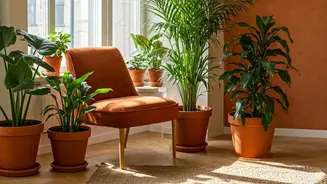
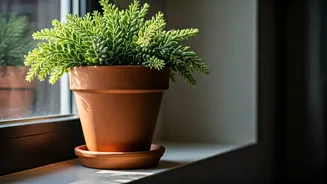
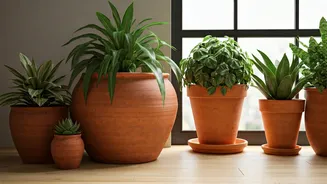
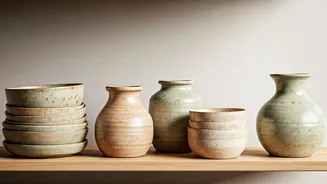
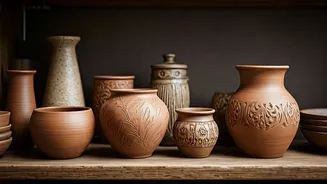
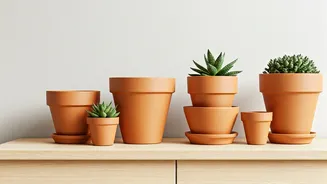
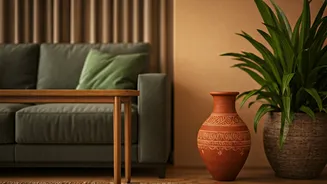
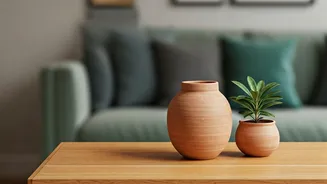
In transient rental spaces, creating a sense of home is paramount. Earthenware, particularly terracotta, offers a timeless, rustic charm that mass-produced plastic simply cannot replicate. Its warm, earthy tones and natural texture provide a visual anchor,
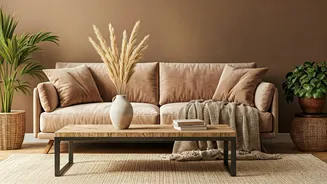
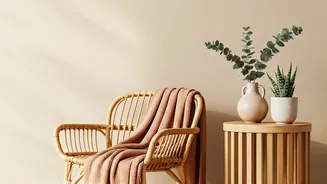
making a room feel more grounded and intentional. This move towards natural materials like clay, wood, and stone is a broader design trend reflecting a desire for authenticity and craftsmanship. Unlike plastic pots, which can fade and look dated, earthenware pots age beautifully, developing a unique patina over time that adds character to the space. This aesthetic choice is a subtle rejection of the generic, a way for renters to infuse their temporary homes with a sense of permanence and personality.
A Healthier Environment for Plants
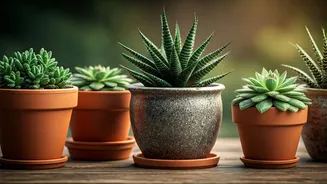
The preference for earthenware goes beyond looks; it's also a practical choice for plant care. Terracotta is porous, which allows air and moisture to move through the sides of the pot. This breathability is crucial for preventing root rot, one of the most common issues for indoor gardeners, as it helps the soil to dry out more evenly. Plants that prefer drier soil, such as succulents and cacti, thrive in clay pots. In contrast, non-porous plastic pots retain moisture for longer, which can be beneficial for water-loving plants but risky for many popular houseplants, especially in the hands of an inexperienced owner. By choosing earthenware, renters are setting their green companions up for success, which is a rewarding part of the plant parenting journey.
The Sustainability Factor
For an increasingly eco-conscious generation, the environmental impact of their consumption is a major consideration. Earthenware pots are made from natural clay, a resource that is significantly more sustainable than petroleum-based plastic. If a clay pot breaks, its pieces can be used to aid drainage in other pots or will eventually break down back into the earth. Plastic, on the other hand, contributes to landfill waste and can take hundreds of years to decompose, often releasing harmful chemicals in the process. Choosing a biodegradable and natural material over plastic aligns with the values of many young urbanites who are actively trying to reduce their carbon footprint, making even a simple decor choice a meaningful statement.
Crafting a Wellness Sanctuary
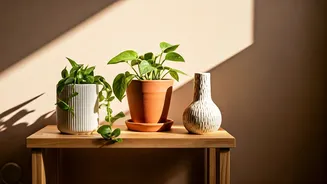
The houseplant boom is deeply connected to the concept of wellness and biophilic design—the idea that connecting with nature indoors can improve our mental and physical health. In often cramped and nature-deprived urban apartments, plants reduce stress and purify the air. Earthenware pots enhance this connection to the natural world far more effectively than plastic. Holding a heavy, cool clay pot feels more organic and real. This sensory experience is part of a larger movement to create homes that serve as calming sanctuaries from the hustle of city life. Renters are not just decorating; they are curating a peaceful environment, and the choice of natural materials is fundamental to achieving that serene, restorative atmosphere.