
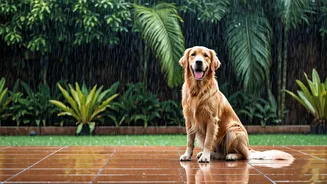
The Problem Isn't the Grass, It's the Water
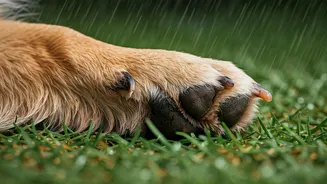
It’s important to understand that grass itself isn’t the enemy. The real issue is the moisture it holds. After rainfall, lawns and parks become breeding grounds for a variety of microscopic threats. Stagnant puddles, damp soil, and even moisture clinging
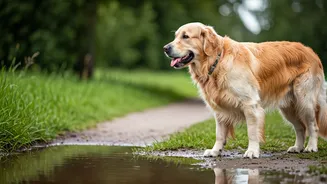
to blades of grass create the perfect environment for bacteria, fungi, and parasites to thrive and multiply. When your dog walks, plays, or drinks in these areas, they come into direct contact with these organisms, which can enter their body through their paws, mouth, or even small cuts on their skin.
The Bacterial Threat of Leptospirosis
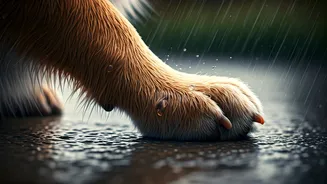
One of the most serious risks lurking in wet environments is Leptospirosis. This disease is caused by Leptospira bacteria, which are spread through the urine of infected animals like rodents and other wildlife. Rainwater can wash this contaminated urine into puddles and patches of damp soil where the bacteria can survive for weeks or even months. A dog can become infected by drinking from a contaminated puddle, or if the bacteria enters their bloodstream through cuts on their paws or contact with their nose or eyes. Symptoms can be severe, including fever, vomiting, lethargy, and in serious cases, kidney or liver failure. The good news is that a vaccine is available, and many veterinarians recommend it for dogs who spend a lot of time outdoors.
Fungi and Water Molds
Damp, decaying organic matter like wet leaves and soil is a haven for fungi. Infections like Blastomycosis can occur when a dog inhales fungal spores, which are often stirred up in moist soil environments. This can lead to respiratory issues, skin lesions, fever, and weight loss. Another serious, though rarer, threat is Pythiosis, caused by a fungus-like organism sometimes called a "water mold." It thrives in stagnant water and swamps. Dogs can contract it by drinking contaminated water or through contact with an open wound, leading to severe gastrointestinal or skin issues that are notoriously difficult to treat.
Parasites and Common Skin Issues
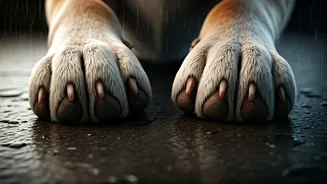
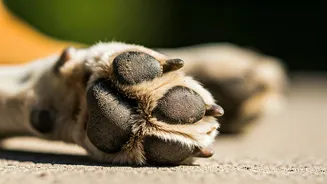
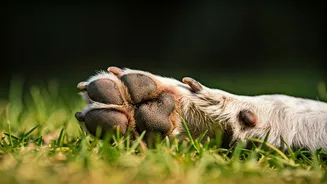
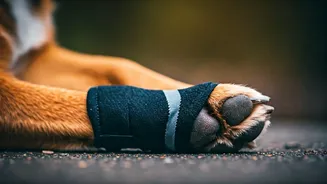
Puddles can also be home to intestinal parasites like Giardia. Dogs can easily ingest the parasite by drinking from a contaminated water source, leading to symptoms like diarrhea, vomiting, and weight loss. Beyond these severe infections, constant moisture can lead to more common but still uncomfortable problems. Trapped moisture between a dog’s paw pads can cause fungal or yeast infections, leading to irritation, itching, and a condition known as 'rain rot' or pyotraumatic dermatitis (hot spots). This makes proper paw care after a wet walk crucial.
Recognising the Warning Signs
Being aware of the signs of infection can lead to earlier and more effective treatment. Watch your dog for any changes in behaviour or health after they've been out in wet conditions. Key symptoms to look for include: persistent licking or chewing of the paws, redness or swelling between the toes, lethargy or lack of appetite, vomiting or diarrhea, unusual limping, a persistent cough, or skin sores that won't heal. If you notice any of these signs, it's best to consult your veterinarian promptly.
Simple Steps for Safer Play
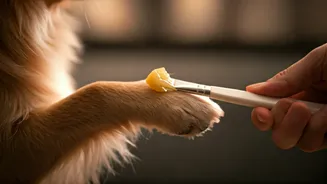
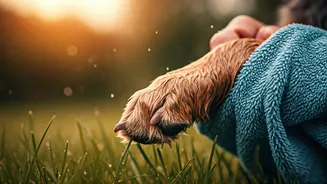
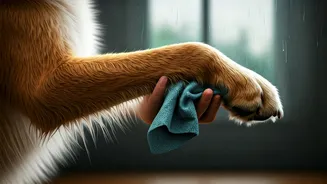
The goal is not to keep your dog locked inside, but to take smart precautions. After any walk in the rain or on wet grass, thoroughly wipe down and dry your dog's paws, paying special attention to the areas between the pads where moisture can hide. Avoid letting your dog drink from puddles or stagnant water sources; always carry fresh water for them. Regularly inspect their paws for any cuts, scrapes, or signs of irritation. For dogs with long fur, keeping the hair between their toes trimmed can help reduce moisture buildup. Finally, have a conversation with your vet about the leptospirosis vaccine, especially if you live in an area with high rainfall or frequent wildlife.