
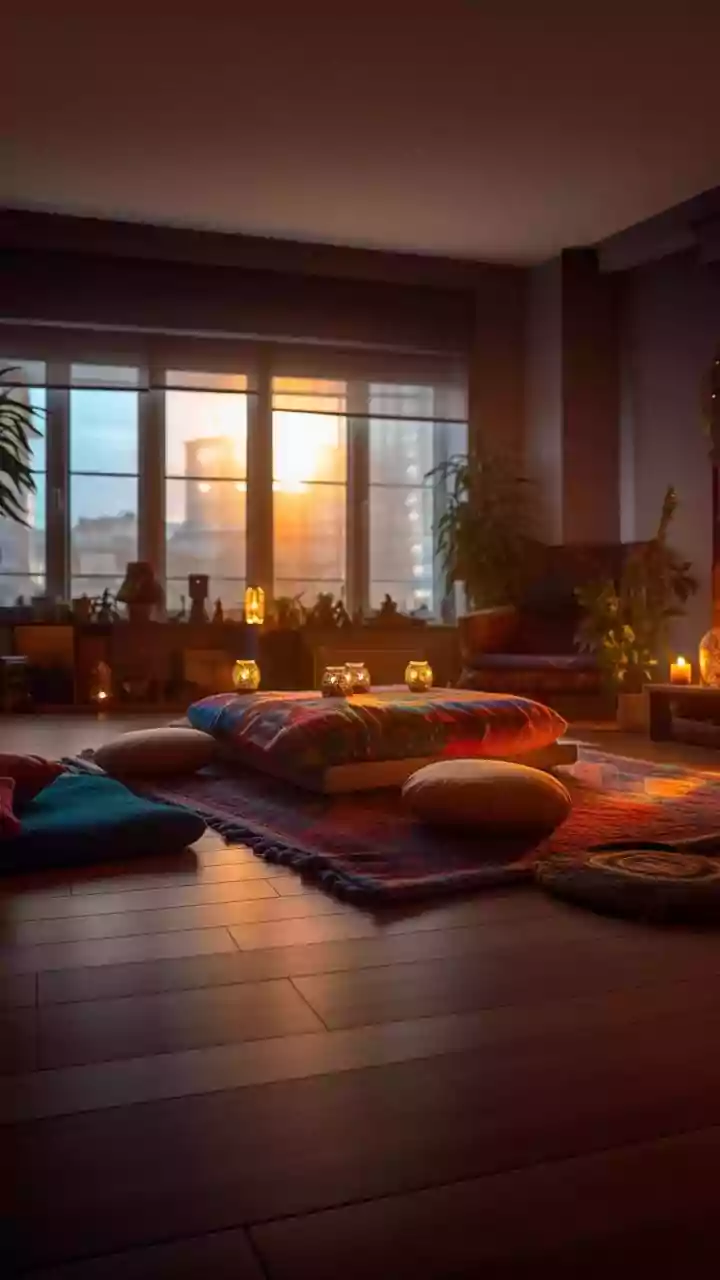







1. Build Your Foundation
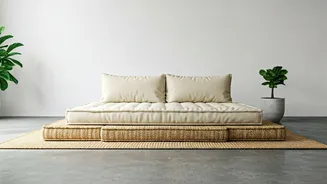
Before a single cushion is placed, the foundation must be set. A low-floor lounge, inspired by the traditional Indian 'baithak' or Japanese 'zaisu' seating, is all about getting close to the ground. Start with a large, plush rug. Natural fibres like jute
or wool add wonderful texture and define the space. For ultimate comfort, consider a custom floor mattress or a stack of firm 'gaddas'. This base layer is not just for comfort; it’s the canvas upon which you’ll paint with colour and texture. Choose a neutral colour for your base—think cream, beige, or a soft grey—to allow the indigo to truly pop.
2. Choose Your Indigo Heroes
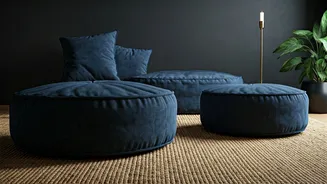
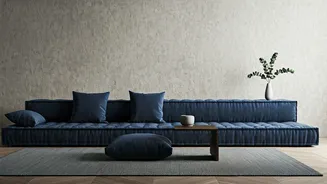
Now for the star of the show. Indigo is a deep, versatile colour that can feel both royal and rustic. The key is to not use just one type of cushion. Mix and match to create a visually rich landscape. * **Patterns:** Incorporate classic Indian prints like ikat, bandhani, or block-printed florals. These patterns tell a story and add a layer of heritage and craftsmanship. * **Sizes and Shapes:** Use a variety of sizes. Large square floor cushions (24x24 inches) are great for primary seating, while smaller rectangular and round cushions can be used for back support or decorative accents. Bolsters are a must for lounging and reclining. * **Shades:** Play with different shades of indigo, from a deep, inky navy to a brighter, almost electric blue. This variation prevents the space from feeling flat and one-dimensional.
3. Layer with Complementary Textures
A truly breathtaking space engages more than just the eyes. Texture is crucial for creating a sense of warmth and invitation. Think about how different materials feel. Pair the soft cotton of your indigo cushions with the nubby weave of a jute pouffe, the smooth coolness of a silk throw, or the plush warmth of a faux fur blanket. Woven cane or rattan elements, such as a side table or a decorative screen, can also add a light, airy contrast to the deep indigo. This interplay of textures makes the space feel curated, thoughtful, and incredibly cosy.
4. Curate Your Colour Palette
While indigo is the main character, it needs a strong supporting cast. Pairing it with the right colours will elevate the entire look. Crisp white is a classic partner for indigo, creating a clean, nautical, or Grecian feel. For a warmer, more opulent look, introduce metallic accents like brass or gold. Think brass lanterns, gold-rimmed trays, or side tables with delicate metal legs. Earthy tones also work beautifully. The warmth of terracotta pots, mustard yellow accent pillows, or rich wooden furniture grounds the cool indigo and creates a balanced, harmonious environment. Avoid overwhelming the space with too many competing colours; let indigo lead and use 2-3 accent shades.
5. Accessorise with Intention
The final details are what transform a collection of furniture into a personal sanctuary. Choose accessories that enhance the low-floor concept. A low-slung wooden coffee table is perfect for placing drinks or a book. Floor lanterns or a collection of candles at varying heights can create a magical, flickering glow in the evenings. Don’t forget greenery; indoor plants in terracotta or ceramic pots add life and a pop of natural colour that complements indigo beautifully. A stack of art books or magazines on the floor adds a lived-in, intellectual touch. Each item should be functional, beautiful, or both.
6. Set the Mood with Lighting
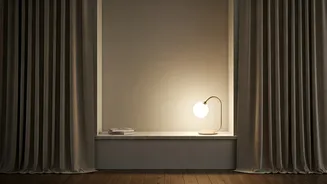
Lighting can make or break an atmosphere. For a low-floor lounge, the goal is to create a soft, intimate glow. Avoid harsh, overhead central lighting. Instead, opt for multiple, lower sources of light. A stylish floor lamp arching over the seating area can provide focused light for reading. Table lamps on low side tables add warmth at eye level. For an extra touch of magic, weave fairy lights around plants or place them inside a large glass vase. Dimmers are your best friend here, allowing you to adjust the light intensity from bright and social to low and relaxing.