


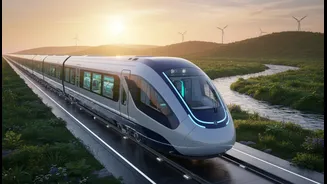


How Hydrogen Trains Work
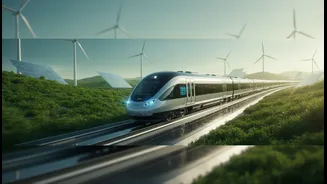
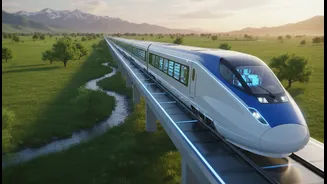
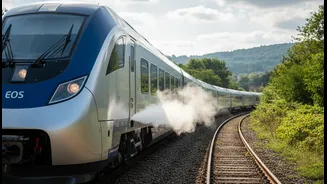
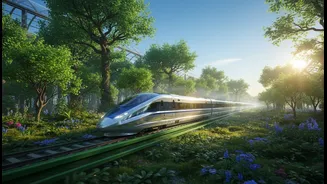
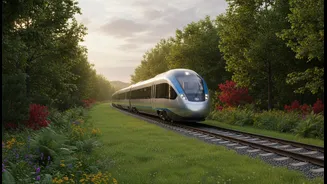
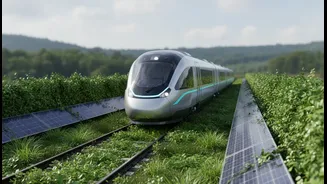
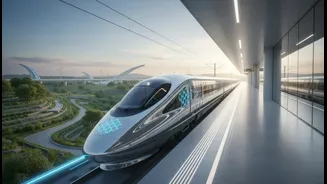
Imagine a train that runs on a fuel that produces only water vapour and heat as emissions. That's the core promise of hydrogen-powered trains. Unlike diesel locomotives that burn fossil fuels, these trains use hydrogen fuel cells. These cells trigger
a chemical reaction between stored hydrogen and oxygen from the air to generate electricity. This electricity then powers the train's motors, much like a standard electric train, but without the need for overhead power lines. The prototype being tested in India is a retrofitted Diesel Electric Multiple Unit (DEMU), showcasing a path to upgrade existing fleets. This system also includes batteries that store surplus energy and assist with acceleration and regenerative braking.
India’s Blueprint for Hydrogen Rail
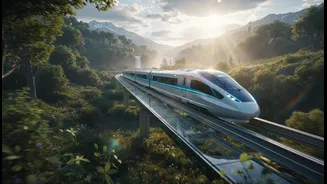
India's journey into hydrogen rail is taking a two-pronged approach. The first is a pilot project currently undergoing advanced trials on the Jind-Sonipat route in Haryana. This 10-coach prototype has successfully completed high-speed trials, reaching up to 120 km/h, though its planned operational speed will be around 75 km/h. The second, more ambitious plan is the 'Hydrogen for Heritage' initiative. This scheme aims to deploy 35 hydrogen trains across eight iconic heritage and narrow-gauge routes, including the Kalka-Shimla Railway, Darjeeling Himalayan Railway, and Nilgiri Mountain Railway. The goal is to replace ageing diesel engines in these ecologically sensitive tourist areas with zero-emission alternatives.
The Promise of a Greener Future
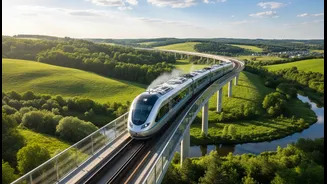
This push for hydrogen is a critical component of Indian Railways' ambitious goal to become a net-zero carbon emitter by 2030. With one of the world's largest rail networks, switching from diesel, which is still used on a significant portion of the network, to cleaner alternatives can have a massive environmental impact. Hydrogen trains offer zero tailpipe emissions, directly tackling air pollution and reducing the carbon footprint of rail transport. While full electrification of the broad-gauge network remains a primary goal, hydrogen offers a flexible and complementary solution for routes where electrification is difficult or cost-prohibitive, such as hilly terrains or lines with lower traffic frequency.
Hurdles on the Track Ahead
The path to a hydrogen-powered railway network is not without significant challenges. The most substantial hurdle is cost. The initial investment is high, with each train estimated to cost around ₹80 crore and the necessary ground infrastructure adding another ₹70 crore per route. Furthermore, the cost of producing 'green' hydrogen—made using renewable energy—remains higher than conventional fuels, though it is expected to fall significantly by 2030. Building the required ecosystem, including production plants, specialized storage facilities, and refueling stations, is a massive undertaking. Indian Railways has already set up a dedicated hydrogen production and refueling facility in Jind to support the pilot project. Safety is another paramount concern, requiring specialized handling protocols and infrastructure to manage the highly combustible fuel.
India in the Global Hydrogen Race
India's efforts place it among a select group of nations pioneering hydrogen rail technology. Germany has already been operating hydrogen-powered passenger trains commercially since 2018, and countries like China, Japan, and France are also actively testing and developing their own versions. By developing its indigenous prototype, India is not just following a global trend but also building self-reliance under the Atmanirbhar Bharat initiative. The successful trials and planned deployments signal India's intent to become a leader in the global transition to clean energy, using its vast railway network as a proving ground for sustainable and innovative mobility solutions that can be adapted for other sectors.