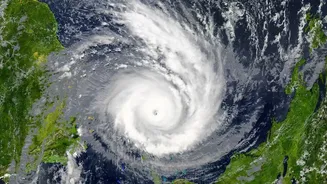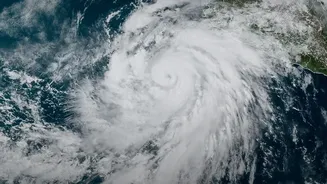





The US National Oceanic and Atmospheric Administration (NOAA) has confirmed that a 'strong-to-very-strong' El Niño is set to dominate the winter of 2026-27. But what does this complex climate pattern actually mean for India? Let's break it down.
First, What Is El Niño?
El Niño
is a naturally occurring climate pattern characterized by the unusual warming of sea surface temperatures in the central and eastern Pacific Ocean. This isn't just a local event; this vast expanse of warm water releases a tremendous amount of heat into the atmosphere, altering wind patterns and shifting the jet stream. Think of it as a large stone dropped in a pond—the ripples spread far and wide, influencing weather systems across the globe, including India's crucial monsoon seasons and winter conditions. These events typically happen every two to seven years and can last for several months.
Decoding 'Strong-to-Very-Strong'
Not all El Niños are created equal. Their intensity is graded based on how much warmer the Pacific waters become compared to their average temperature. While a basic El Niño is declared when temperatures are just 0.5°C above average, a 'strong' event sees anomalies of at least 1.5°C. A 'very strong' or 'super' El Niño, which is what we are currently experiencing, occurs when those sea surface temperatures consistently exceed 2°C above normal. Forecasts indicate there is a high probability these conditions will persist through March 2027, making this a historically significant event.
A Winter of Contrasts for India
For India, a powerful El Niño winter presents a complex and divided picture. Recent outlooks, including a detailed report from the International Centre for Integrated Mountain Development (ICIMOD), suggest a tale of two extremes. The northern parts of the country, particularly the western Himalayan region, may experience a wetter-than-normal winter. This could translate to above-average snowfall in mountainous areas of northern India, which is critical for replenishing glaciers and sustaining river flows for the year ahead. However, this also raises the risk of avalanches and landslides in vulnerable areas. Conversely, southern India is expected to face drier-than-usual conditions. This is somewhat surprising, as El Niño has historically been associated with a more active Northeast monsoon.
Impact on Temperatures and Agriculture
Beyond precipitation, temperatures are also expected to be affected. The El Niño is forecast to bring warmer-than-average winter temperatures across much of the country, particularly along India's western edge. This could mean a milder winter for many, but it also poses challenges. A warmer, drier winter in central and southern India could reduce soil moisture and impact the rabi crop season, which depends on winter rain. It may also put further stress on water reservoirs, many of which were not fully replenished due to a weaker-than-normal southwest monsoon earlier in the year. Furthermore, there are concerns that the elevated temperatures could lead to an increased risk of forest fires, particularly in the southern peninsula and northeastern Himalaya.
Looking Ahead to 2027
The effects of this powerful El Niño may not end with winter. Climate scientists are already looking ahead, with some models indicating a transition to ENSO-neutral conditions by the April-June 2027 period. Some even suggest the potential emergence of El Niño's counterpart, La Niña, during the 2027 summer monsoon, which could bring its own set of weather implications. Experts have also noted that the immense heat released by this El Niño could contribute to making 2027 one of the hottest years on record globally. This long-term outlook underscores the need for continued monitoring and preparedness for a range of climate possibilities.