
The Tale of Two Textures
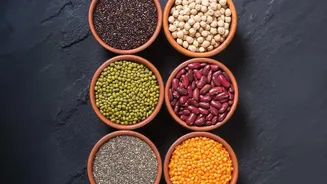
The fundamental difference between preparing pulses for a salad versus a dal comes down to the desired final texture. For a salad, the goal is integrity. Each lentil, chickpea, or bean should be distinct, tender enough to bite, but firm enough to hold
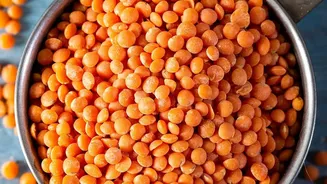
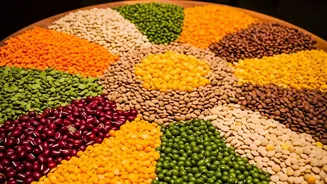
its shape. You want a pleasant, toothsome chew that adds substance and texture to crisp vegetables and greens. Overcook them, and you end up with a mushy pile that makes the entire salad soggy. In stark contrast, the goal for most dals is creaminess. Whether it's a smooth and soupy dal tadka or a rich and thick dal makhani, the pulses are meant to break down, melt into each other, and create a luscious, porridge-like consistency that’s perfect for scooping up with roti or pouring over rice. Red lentils, for example, are prized for dal precisely because they disintegrate so readily, while firm French green or black beluga lentils are ideal for salads.
The Cooking Process: Gentle Simmer vs. Pressure Cook
To achieve these opposing textures, the cooking methods must diverge significantly. For a firm pulse perfect for salads, gentle cooking is key. Many experts recommend cooking lentils for salads like pasta: in a large pot of boiling, salted water. This method allows the lentils to cook evenly without bouncing around, which can cause them to break apart. It’s crucial to monitor them closely and pull them from the heat when they are 'al dente'—tender but with a slight bite remaining. A quick rinse under cold water can halt the cooking process and wash away excess starch. For dal, the pressure cooker is your best friend. The high heat and pressure are designed to do the opposite: to break down the lentils quickly and efficiently until they are completely soft and yielding. After pressure cooking, many recipes call for whisking or mashing the lentils to further encourage that creamy, homogenous texture that defines a good dal.
The Grand Finale: Tadka for Dal
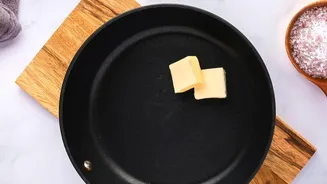
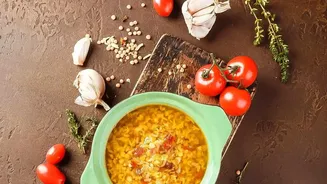
The 'finish' is where the flavour identities are truly forged. For dal, the crowning glory is the tadka, or tempering. This is a technique where whole and ground spices are sizzled in hot ghee or oil and then poured over the cooked lentils just before serving. A typical tadka might include cumin seeds, mustard seeds, dried red chillies, minced garlic, and a pinch of asafoetida (hing). This final, aromatic flourish infuses the entire dish with a complex layer of flavour that simply stirring in dry spices cannot replicate. Some restaurant-style recipes even employ a 'double tadka'—one at the beginning to build a flavour base and another at the end for that dramatic, sizzling finish. The hot fat makes the spices bloom, releasing their essential oils and creating the signature aroma of a freshly made dal.
The Fresh Finish: Dressing for Salad
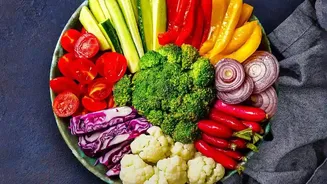
A pulse salad requires a completely different kind of finish: a bright, acidic dressing. While a dal embraces deep, warm, cooked spice flavours, a salad needs a zesty lift to complement the earthy pulses and fresh vegetables. The finish for a pulse salad isn't a hot sizzle, but a cool toss. Dressings are typically vinaigrette-based, combining olive oil with an acid like lemon juice or vinegar. Ingredients like minced garlic, Dijon mustard, fresh herbs (like cilantro, parsley, or dill), and a hint of sweetness from honey or maple syrup are common additions. The key is to dress the pulses while they are still slightly warm, which allows them to absorb the dressing more effectively, seasoning them from the inside out. This creates a dish that is refreshing and vibrant, a perfect counterpoint to the rich, comforting nature of a dal.