
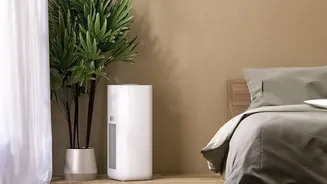

The Undeniable Appeal of a Greener Room
In the tight quarters of a compact bedroom or a cluttered desk, a bit of greenery can feel like a breath of fresh air. Beyond simple aesthetics, introducing plants into our personal spaces can reduce stress and improve our overall sense of well-being.
They add life, colour, and a touch of nature that can make a small room feel more open and calming. For those who believe they lack a 'green thumb', the search for a plant that thrives on neglect is real. Fortunately, two champions of the low-maintenance world fit this role perfectly: the snake plant and the pothos.
Meet the Indestructible Snake Plant
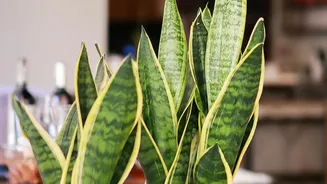
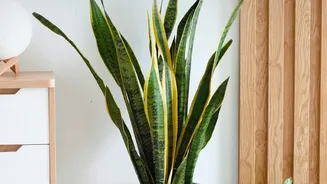
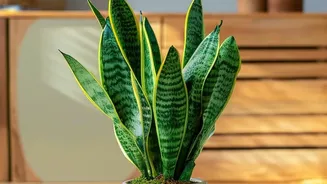
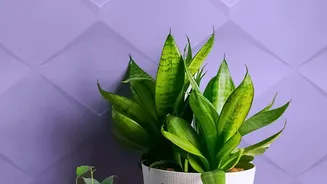
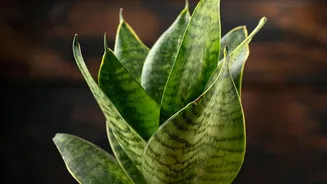
The snake plant, or Dracaena trifasciata (formerly Sansevieria), is an icon of modern decor for a reason. With its stiff, upright leaves that resemble architectural blades, it adds a structural, stylish element to any corner or desktop. It's famously tolerant of a wide range of conditions, making it perfect for beginners. Snake plants thrive in almost any light, from bright, indirect sun to low-light corners where other plants might falter. Their water needs are minimal; in fact, the most common mistake is overwatering. You may only need to water it once every few weeks, letting the soil dry out completely in between. This resilience makes it an ideal companion for a busy lifestyle.
The Versatile and Forgiving Pothos
Often called 'devil's ivy', the pothos (Epipremnum aureum) is another superstar for beginner plant parents. Known for its lush, heart-shaped leaves and trailing vines, it can be placed on a shelf to cascade down, in a hanging basket, or kept trimmed for a fuller look on a desk. Pothos is incredibly forgiving and communicates its needs clearly—drooping leaves will tell you it's thirsty. It’s also adaptable to various light conditions, thriving in both bright, indirect light and lower-light environments. Its fast-growing nature provides a rewarding experience, as you quickly see the fruits of your minimal labour.
Do They Really Clean the Air?
The claim that houseplants purify indoor air is widespread, largely stemming from a 1989 NASA study. This research showed that plants like snake plants and pothos could remove volatile organic compounds (VOCs) like formaldehyde and benzene from the air in a sealed chamber. However, applying these findings to a typical home or bedroom requires perspective. In reality, the air exchange from opening a window or door, or even a building's natural ventilation, removes pollutants far more effectively than a few plants. Recent analyses have concluded that you would need a massive number of plants—some estimate between 10 to 1,000 plants per square meter—to replicate the air-purifying effects seen in the lab. While your snake plant and pothos do absorb tiny amounts of pollutants, their primary contribution is not as a powerful air filter. Instead, their benefits are more directly tied to their beauty and the positive psychological impact of nurturing a living thing.
Simple Care for Thriving Desk Plants
The beauty of snake plants and pothos lies in their simplicity. To keep them happy, focus on the basics. For both, err on the side of underwatering. Check the soil, and if the top inch or two is dry, it's time for a drink. They are not heavy feeders; a dose of general houseplant fertiliser once or twice during the spring and summer growing season is plenty. Both plants are quite happy being slightly root-bound, so you only need to repot them every couple of years when they've completely filled their container. Finally, wipe down their leaves with a damp cloth occasionally. This not only keeps them looking shiny and healthy but also helps the leaves with photosynthesis.