





Decoding the Common Debt Traps
The biggest trap in the world of credit cards is the 'minimum amount due'. While paying this small amount keeps your account in good standing and avoids late fees, it's designed to keep you in debt for years. Interest, which can be as high as 40% annually
in India, is charged on the entire remaining balance, not just new purchases. This means that if you only pay the minimum, most of your payment goes towards interest charges, while your actual debt barely shrinks. Another common pitfall is using your card for cash advances, which usually have no grace period and start accruing high interest from the day of withdrawal. Over time, these habits create a cycle where the balance grows faster than you can repay it, leading to significant financial stress and a damaged credit score.
The Golden Rule: Pay in Full, Always
The single most effective strategy to avoid all debt traps is to pay your entire statement balance in full by the due date every single month. Doing this means you benefit from the interest-free grace period on your purchases. Essentially, you are using the bank's money for free for up to 45-50 days. The moment you carry even a small balance forward, you lose this grace period, and interest begins to accumulate on all your outstanding amounts. To make this happen, treat your credit card like a debit card; only spend what you know you can afford to pay back in full at the end of the month. Setting up an auto-debit for the full amount is a foolproof way to ensure you never miss a payment or accidentally fall into the interest trap.
Choose the Right Card for Your Lifestyle
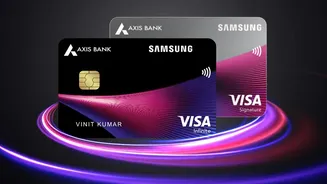
Maximising rewards begins with selecting a card that aligns with your spending habits. If you frequently shop online on platforms like Amazon or Swiggy, a cashback card offering 5% or more on online spends might be best. For those who travel often, a travel card that offers air miles and complimentary airport lounge access will provide more value. Analyse your monthly expenses to see where most of your money goes—groceries, fuel, utilities, or dining. Many cards offer accelerated reward points in specific categories. Don't be swayed by a large sign-up bonus if the card's long-term reward structure doesn't fit your regular spending patterns. A simple, no-annual-fee cashback card is often a better choice for beginners than a premium card with benefits you won't use.
Strategies for Supercharged Rewards
Once you have the right card, the goal is to channel as much of your planned spending through it as possible to accumulate points faster. Use your card for everything from utility bills and groceries to planned big-ticket purchases. Many banks have online shopping portals (like HDFC's SmartBuy) that offer multiplied reward points—sometimes up to 10 times the normal rate—for purchasing through their links. Also, keep an eye out for special promotions and bonus offers that card issuers frequently run, which might offer temporary boosts in cashback or points for specific spending categories. However, the key is to do this only for expenses you would have incurred anyway. Never overspend just to chase rewards, as the interest you might pay would quickly cancel out any benefits earned.
Redeem Your Rewards Wisely
Earning points is only half the battle; redeeming them for maximum value is just as important. The value of a reward point isn't always fixed. For instance, a point might be worth 25 paise for cashback but 50 paise when redeemed for a flight or hotel booking on the bank's portal. Travel redemptions often provide the best value, especially for premium cards. For simpler cashback cards, the rewards are often automatically credited to your statement, which is the most straightforward option. Before you accumulate a large number of points, understand the redemption rules. Check for any handling fees, the expiry dates of your points, and the partners you can transfer points to. A thoughtful redemption strategy ensures that the rewards you worked hard to earn translate into real, tangible savings.