


What Makes a Cake 'Vintage'?
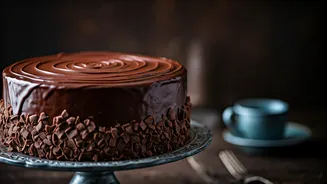
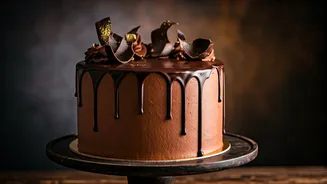
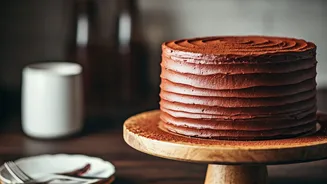
The term "vintage" in baking doesn't just mean old; it refers to a style of recipe and decoration. Historically, vintage cakes often relied on fundamental ingredients without the shortcuts of modern mixes. For instance, a chocolate cake recipe from the 1950s
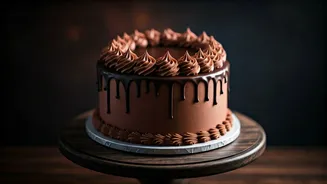
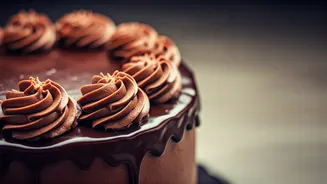
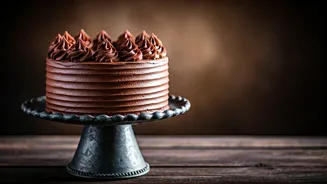
might feature melted chocolate squares, buttermilk, and butter, creating a distinct density and flavour profile. The decoration, too, plays a part. The Lambeth method, a style of elaborate over-piping popular in the early to mid-20th century, is a hallmark of vintage cake design, featuring intricate buttercream or royal icing frills, swirls, and lace patterns. These cakes weren't just desserts; they were centrepieces, reflecting a time when baking was a celebrated craft.
Decoding Dark Chocolate
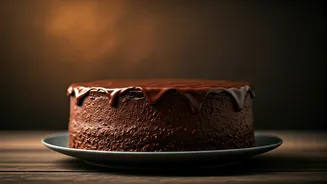
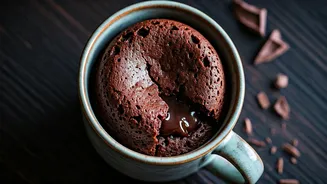
The 'dark chocolate' in your cake is crucial. The quality and type will define its flavour. Dark chocolate is a broad term, covering bittersweet and semisweet varieties, which contain different percentages of cacao. A higher cacao percentage means a more intense, less sweet chocolate flavour. When discussing options with a baker, ask about the chocolate they use. For a deep, rich flavour, recipes often use either melted unsweetened or bittersweet chocolate, or high-quality cocoa powder. You might also encounter Dutch-processed cocoa powder, which is treated to neutralize its acidity. This results in a darker, smoother, and more mellow chocolate flavour compared to natural cocoa powder, which can have sharper, brighter notes.
Finding the Right Baker
Finding a baker who understands your vision is key. Start by researching local bakeries that specialize in custom cakes. Look for their portfolios online, often on their website or social media channels. Pay attention to their style. Do they have experience with intricate piping or classic cake designs? Reading reviews and asking for recommendations from friends can also provide valuable insight. Don't hesitate to reach out and ask if they have experience with historical or vintage recipes. A passionate baker will often be excited by the challenge. Once you have a shortlist, check their availability, especially if you have a specific date in mind, as skilled bakers are often booked months in advance.
Speaking the Baker's Language
Clear communication is essential to getting the cake of your dreams. When you consult with a baker, bring inspiration. Photos, color swatches, and design ideas can help them understand your aesthetic. Be ready to discuss not just the look, but the taste. Do you prefer a fudgy, dense crumb or something lighter? What kind of frosting do you envision—a rich ganache, a classic buttercream, or a traditional boiled fudge frosting? A consultation is also the perfect time to schedule a tasting, which allows you to sample different cake flavors and fillings to find your perfect combination. Being specific about what you like will help the baker bring your perfect cake to life.
The Ordering Checklist
When you're ready to order, having a plan helps. First, confirm the date, venue, and number of guests to determine the right cake size. Discuss your budget upfront; a good baker can often suggest design tweaks to meet your price range. Before finalizing, confirm all the details in writing. This should include the cake size, flavor, filling, design specifics, delivery time and location, and the total cost. For larger or more elaborate cakes, especially for weddings, expect to pay a non-refundable deposit to secure your booking, with the final payment due closer to the event date. Always give as much notice as possible—for a custom cake, two weeks is a minimum, but for complex designs, aim for one to two months.