


Rethink Your Watering Schedule
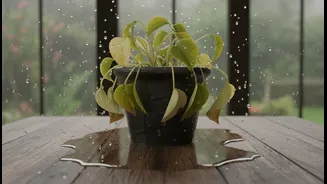
The single biggest mistake in monsoon gardening is overwatering. With high humidity and frequent showers, your plants’ water needs drop dramatically. Rainwater is excellent for plants, but too much of a good thing can be fatal. Instead of sticking to a fixed
schedule, rely on the ‘finger test’. Poke your finger about an inch into the soil. If it feels dry, it's time to water. If it’s damp, leave it alone. For most balcony plants, natural rainfall will be more than enough. Your job shifts from being a water provider to a water manager, ensuring your plants are hydrated but never waterlogged.
The Right Soil Mix is Crucial
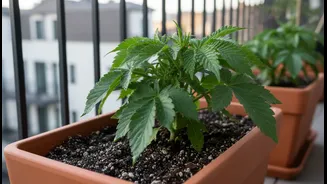
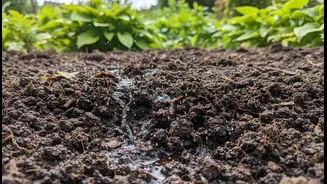
During the wet season, drainage is everything. Standard garden soil is often too dense for pots, becoming compacted and preventing water from escaping. This leads to root rot, a common cause of plant death in the monsoon. The ideal soil for balcony pots should be light and porous. Create a well-draining potting mix by combining regular potting soil with materials like coco peat, compost, and perlite or coarse sand. This mixture holds enough moisture for the roots while allowing excess water to drain away freely, creating essential air pockets for roots to breathe. If you’re buying a pre-made mix, look for one specifically designed for containers.
Pay Close Attention to Pots and Trays
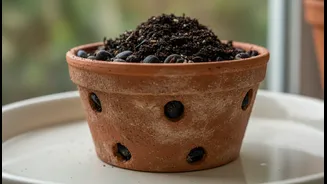
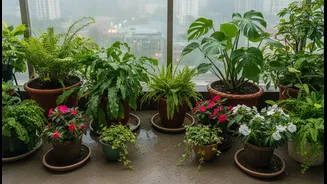
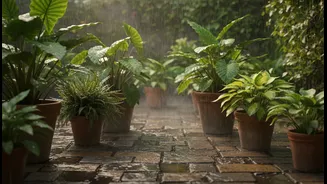
Every pot must have drainage holes at the bottom; this is non-negotiable. After heavy rain, it’s a good practice to check if these holes have become clogged with hardened soil. To further improve drainage, you can elevate your pots on bricks or pot feet, which prevents them from sitting in puddles of stagnant water. It is equally important to regularly empty the collection trays or saucers placed underneath your pots. Standing water in trays not only suffocates the roots but also becomes a breeding ground for mosquitoes and fungal diseases.
Be Vigilant About Pests and Fungi
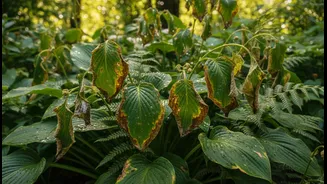
High humidity and damp conditions create a perfect environment for pests and fungal diseases to thrive. Common monsoon problems include powdery mildew, leaf spot, aphids, mealybugs, and slugs. Prevention is far more effective than treatment. Ensure good air circulation by spacing your plants adequately and pruning any dense foliage. A preventive spray of neem oil solution (about 5ml of neem oil mixed with a litre of water and a few drops of liquid soap) every 10-15 days can help keep many common pests and fungi at bay. If you spot any affected leaves, remove them immediately to prevent the infection from spreading.
Choose Monsoon-Friendly Plants
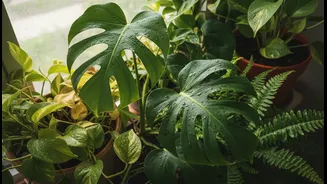
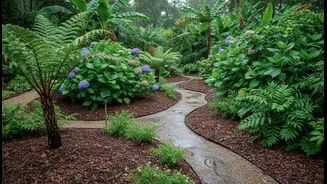
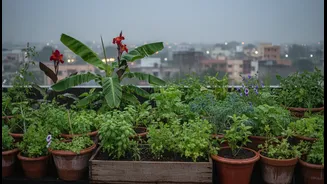
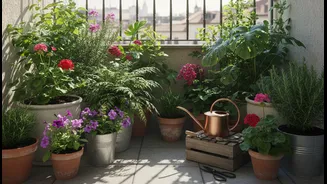
While some plants struggle, others thrive in the rainy season. The monsoon is an excellent time for tropical plants that love moisture and humidity. Consider adding species like hibiscus, jasmine, peace lilies, and various ferns to your balcony garden. Many foliage plants like money plants (Pothos), philodendrons, and caladiums also experience a growth spurt during this time. If you have a kitchen garden, gourds, cucumbers, and spinach are great vegetables to grow. Choosing plants that are naturally suited to the climate will make your gardening experience much more rewarding and less stressful.