



From Instant Coffee to Artisanal Brews
The story of Indian coffee culture has deep roots, from the legend of Baba Budan bringing beans to Chikmagalur to the iconic, intellectual hubs of the Indian Coffee House. For a long time, the national palate was dominated by traditional filter kaapi
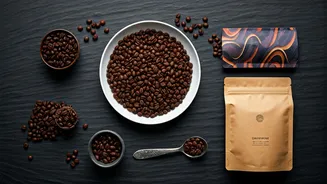
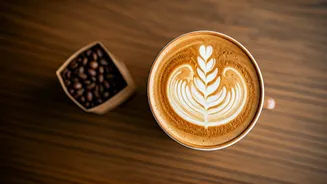
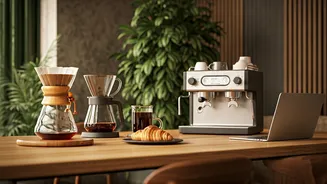
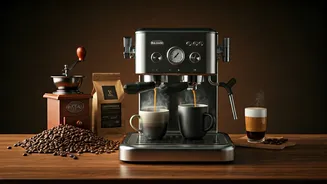
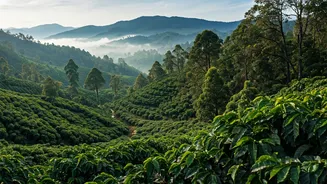
in the south and instant coffee in urban households. The first wave of café chains in the 90s introduced a social coffee-drinking experience, but today's 'third wave' movement is about something far more nuanced. Discerning consumers, particularly millennials and Gen Z, are driving a shift towards quality and transparency. This means a greater appreciation for single-origin beans, with roasters highlighting the unique flavour profiles of coffee grown in regions like Araku Valley and Coorg. Baristas are moving beyond automated machines, embracing artisanal methods like pour-overs and cold brews, which have become incredibly popular in India's warm climate.
The Menu Gets a Gourmet Makeover
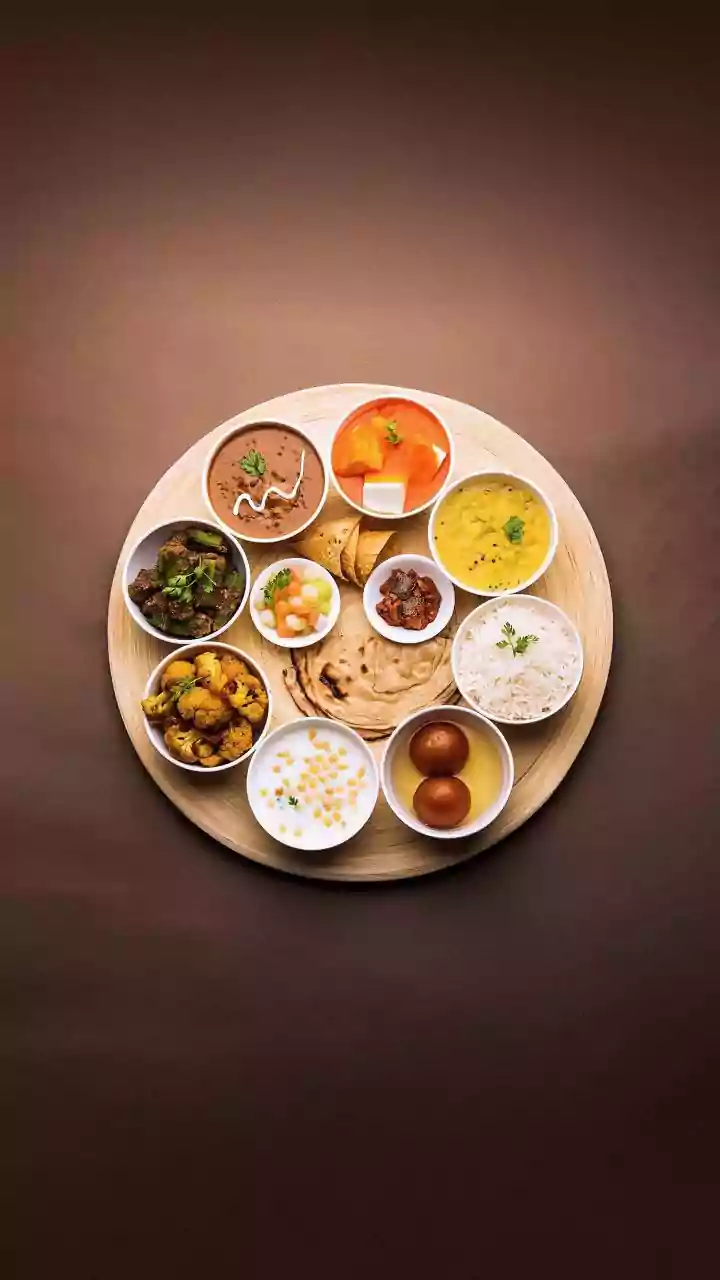
The most significant sign that café culture is getting tastier is on the food menu. For years, café food was an afterthought—generic sandwiches and outsourced pastries. Now, many cafés are becoming hybrid workshops, with in-house bakeries and full-fledged kitchens in plain view. This shift signals a focus on artisanal production over industrial convenience. Patrons are now treated to freshly baked croissants, gourmet desserts, and chef-driven dishes. This evolution mirrors broader trends in India's gourmet food scene, where fusion cuisine, sustainable sourcing, and experiential dining are taking center stage. Menus increasingly feature creative pairings that blend global techniques with local Indian flavours, such as masala espresso tonics or desserts that give a modern twist to traditional sweets. Some cafés are even becoming known as much for their food as their coffee, building a reputation on everything from artisanal bread to reimagined street food classics.
A Uniquely Indian Experience
What makes the current boom so exciting is that India's cafés are not just copying global trends; they are adapting them to create a distinctly local experience. This is evident in the ingredients, with a focus on sourcing locally and seasonally. Chefs are incorporating everything from foraged ingredients to regional spices, giving menus a true sense of place. This philosophy extends to the drinks, with innovative creations like cranberry coffee, coffee mocktails infused with botanicals like kokum, and cardamom-spiced cold brews gaining popularity. The design and ambiance are also becoming more thoughtful, with many spaces blending contemporary aesthetics with traditional Indian design elements, creating venues that feel both global and authentically local. Some cafés even function as cultural hubs, hosting art exhibitions, poetry readings, and live music.
More Than Just a Place to Eat and Drink
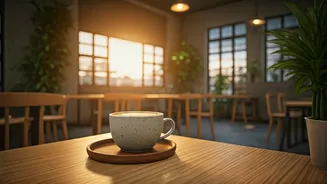
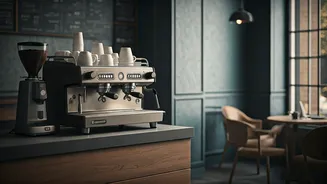
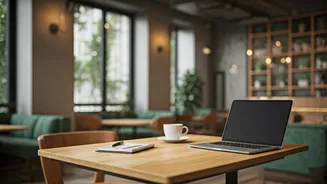
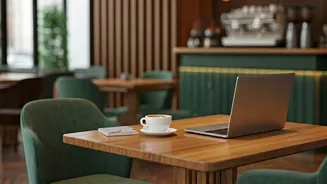
The modern Indian café has cemented its role as the 'third place'—a vital space between home and work where people can socialise, work, and relax. The rise of remote and hybrid work has turned cafés into informal offices for many, increasing the time people spend there and making the overall experience as important as the coffee itself. In response, café owners are curating multi-sensory experiences, from thoughtfully designed interiors to carefully selected music playlists. The best cafés are now destinations that foster a sense of community. Some transform into cocktail bars by night, adapting to the fluid social habits of urban consumers. This focus on experience, combined with a commitment to quality, craft, and local flavour, is what makes the Indian café scene more vibrant and tastier than ever before.