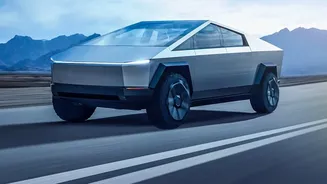

Is the Cybertruck Era Really Over?
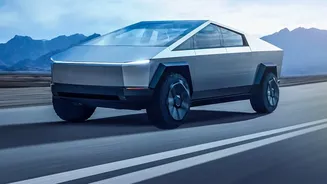
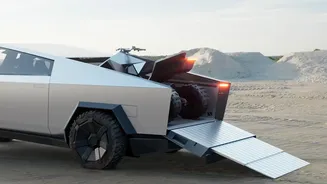
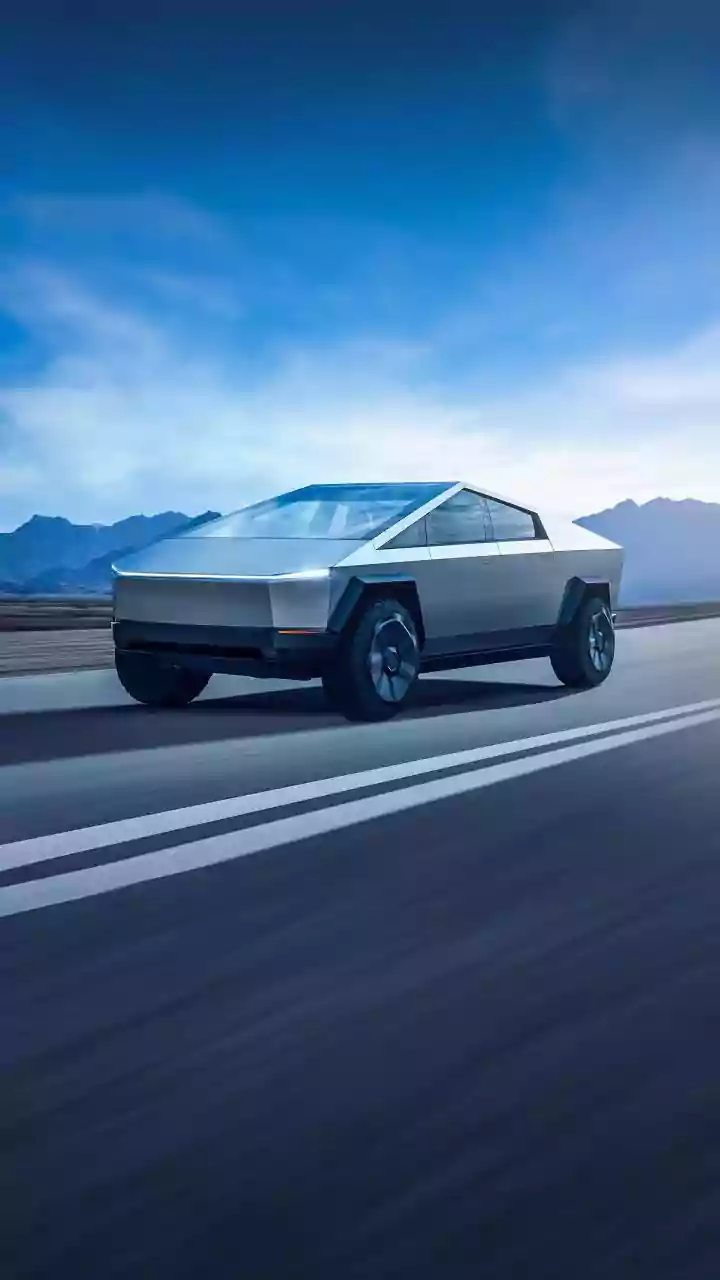
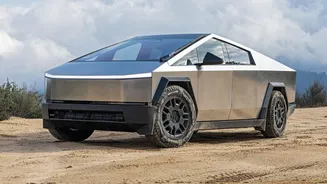
It may sound surprising for a vehicle that recently generated so much buzz, but yes, the end of the Cybertruck's current production run is officially on the horizon. Elon Musk confirmed that Tesla will begin 'winding down' production of the futuristic
pickup at its Gigafactory in Texas around the middle of 2027. This is the only factory that manufactures the vehicle, making the decision a significant one. The move comes after the Cybertruck struggled to meet its initial, lofty sales predictions. However, Musk has clarified that the decision isn't about profitability but rather 'opportunity cost'. He argues that the complex manufacturing and engineering resources required for the Cybertruck are better used to scale up the company's next big project.
Enter the Cybercab
The project set to take the Cybertruck's place is the Cybercab, a vehicle that embodies Tesla's long-term vision. This is not just another electric car; it's a purpose-built, two-seater robotaxi with no steering wheel, pedals, or mirrors. Designed exclusively for autonomous ride-hailing, the Cybercab is the physical manifestation of Tesla's ambition to create a vast, self-driving transportation network. Production has already started at Giga Texas, with mass production beginning in April 2026. The company aims to begin selling some units to fleet customers by the end of 2026, though Musk has stated the vast majority of Cybercabs will be owned and operated by Tesla itself.
The Robotaxi Revolution Strategy
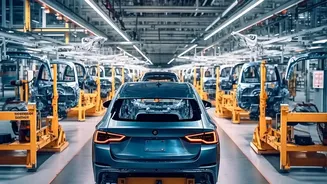
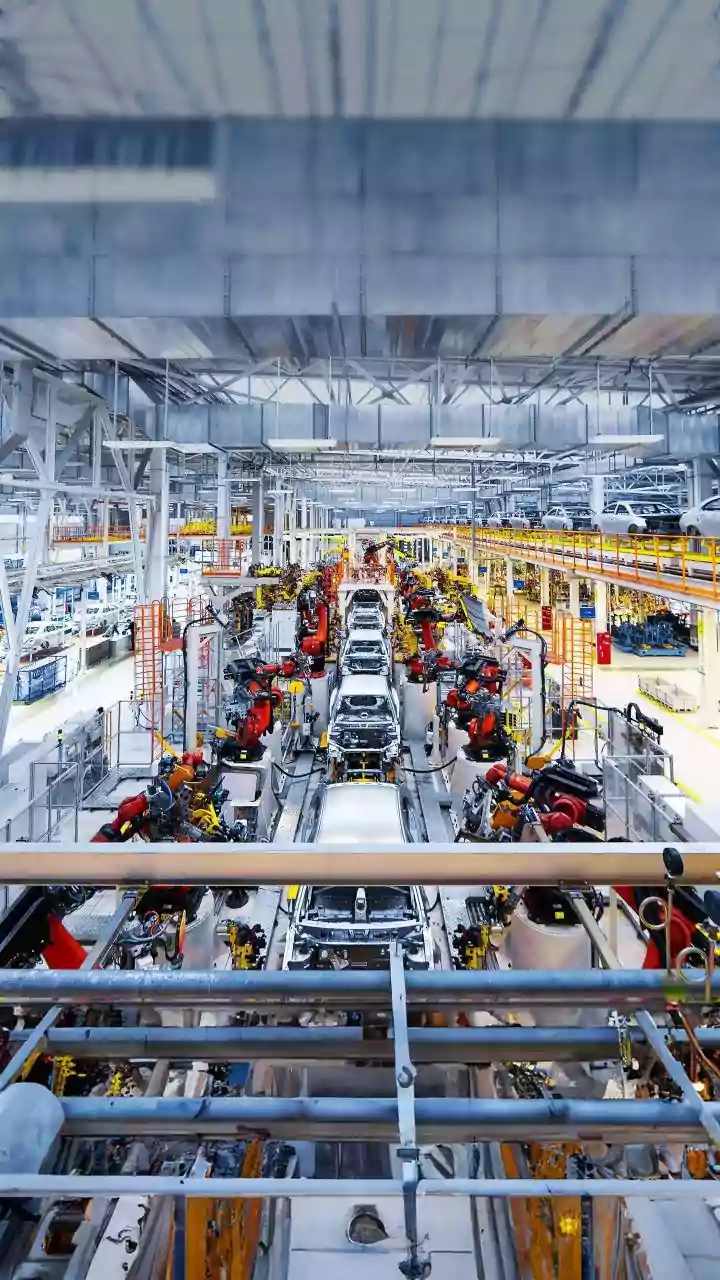
This pivot from a high-priced, niche consumer product to a mass-market autonomous service is a classic high-stakes bet from Elon Musk. The goal is not just to sell cars but to operate a fleet of vehicles that can generate revenue around the clock. By owning and operating the fleet, Tesla aims to capture a much larger share of the transportation economy. The Cybercab is designed for extreme manufacturing efficiency using a new 'Unboxed' process, which drastically reduces factory footprint and assembly time, with a target of producing a new vehicle every 10 seconds at full scale. This focus on robotics and AI extends beyond cars, with the same Giga Texas facility also set to produce the Optimus humanoid robot, cementing the factory as the hub of Tesla's automated future.
Challenges on the Road Ahead
Despite the ambitious vision, the path forward is not without significant obstacles. The biggest hurdle is regulation. A vehicle without manual controls faces intense scrutiny, and the US National Highway Traffic Safety Administration (NHTSA) has already opened an investigation into how the Cybercab complies with federal safety standards. The commercial viability of the entire project hinges on Tesla's Full Self Driving (FSD) software reaching a level of reliability that both regulators and the public can trust for unsupervised operation. Musk has essentially tied the rate of Cybercab production to the pace of regulatory approval, acknowledging that one cannot outpace the other.