







The Body’s Power Grid
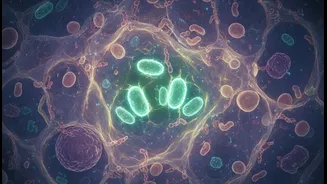
At the heart of every cell in your body are mitochondria. Think of them as microscopic power plants. They take the food we eat and the air we breathe and convert them into adenosine triphosphate (ATP), the chemical energy that fuels everything from muscle
contraction to brain activity. If your body were a city, mitochondria would be the power grid that keeps the lights on. This intricate process, known as cellular respiration, is fundamental to life as we know it. Without a steady supply of energy from our mitochondria, our cells can't function, repair themselves, or divide properly. On Earth, this system works seamlessly, honed by billions of years of evolution in a 1g environment. But as we venture further into space, scientists are discovering that this essential biological process is surprisingly fragile.
A Hostile New Environment
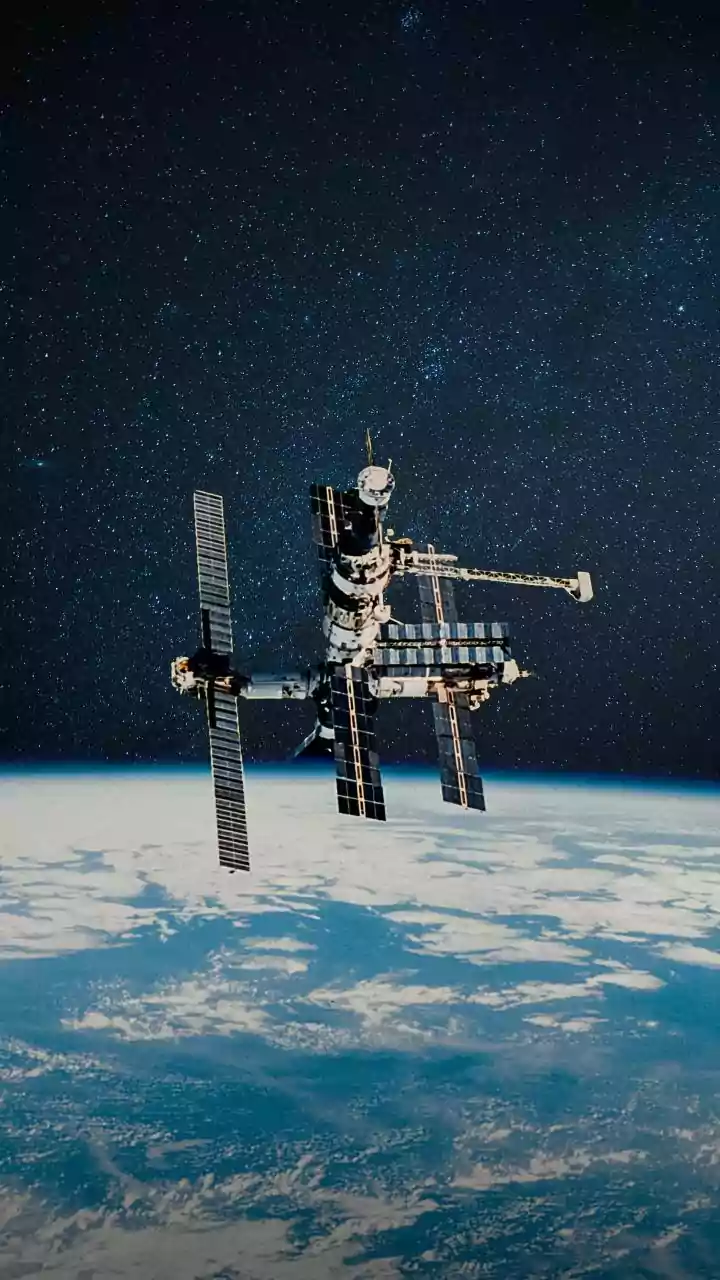
Space is an alien environment for human biology. Two major stressors stand out: the near-total absence of gravity (microgravity) and a constant bombardment of cosmic radiation. Researchers have found that these factors directly attack our cellular power grid. Studies involving astronauts, mice, and cell cultures on the International Space Station (ISS) have repeatedly shown that mitochondrial function is impaired during spaceflight. The combined assault of microgravity and radiation appears to throw the intricate machinery of energy production into disarray. The cells struggle to generate enough power, leading to a state of mitochondrial dysfunction. This breakdown isn't just a minor inconvenience; it's now believed to be a central cause behind the many health problems astronauts face.
The Evidence from Orbit
The list of ailments associated with space travel is long: muscle atrophy, bone density loss, immune system suppression, and cardiovascular deconditioning are well-documented. For years, these were treated as separate issues. Now, a growing body of evidence suggests a common culprit. A landmark series of studies analyzing data from 59 astronauts, as well as samples flown in space, found that mitochondrial dysregulation was a central theme across different tissues and even different species. Whether in muscle, liver, or immune cells, the story was the same: the power plants were struggling. This can lead to increased oxidative stress, where harmful molecules called reactive oxygen species damage the cell from the inside out, much like rust spreading through machinery.
Space Travel as Accelerated Aging
Perhaps the most startling parallel is that the effects of space travel on the body closely mimic the process of aging on Earth, only on a much faster timeline. The muscle wasting, bone fragility, and weakened immunity seen in astronauts after months in orbit are similar to conditions that develop over decades on the ground. This has led some scientists to view spaceflight as a unique platform for studying aging itself. If mitochondrial dysfunction is a key driver of aging, then understanding how it unfolds so rapidly in space could unlock new insights into how we can slow or prevent age-related diseases back on Earth. The research is a two-way street: solving the problems of space travel could directly lead to breakthroughs in geriatric medicine.
The Search for a Solution
Identifying the problem is only the first step. The ultimate goal for space agencies like NASA and ISRO is to develop effective countermeasures. If humanity is to undertake long-duration missions to the Moon or Mars, astronauts must be protected. Research is now pivoting towards finding ways to support mitochondrial health in space. This could involve specialized diets, targeted exercise regimens, or new medicines. For instance, a very recent 2026 study looked at how a plant-based compound called kaempferol could protect the knee cartilage of mice from damage under simulated spaceflight conditions by preserving mitochondrial function. While still in early stages, this type of research points the way toward pharmacological solutions that could one day be packed alongside food and water for a trip to Mars.
Benefits Beyond the Stars
The quest to keep astronauts healthy has profound implications for those of us who never leave the planet. Mitochondrial dysfunction is linked to a host of terrestrial diseases, including neurodegenerative disorders, heart failure, and even some forms of cancer. By studying these mechanisms in the extreme environment of space, scientists gain a unique perspective on how they work. The insights gained and treatments developed for astronauts could be adapted to treat patients on Earth. The ISS, therefore, acts not only as a stepping stone to other planets but also as a unique laboratory for advancing human health, turning the challenges of space exploration into opportunities for medical innovation.