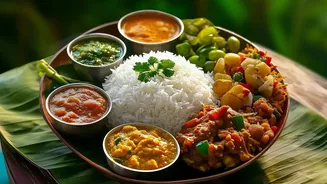







The Comfort Trap of Hotel Dining
There’s no denying the appeal of a hotel restaurant. It’s predictable, convenient, and requires zero effort after a long day of travel. The menu is often a familiar mix of pan-Indian, continental, and maybe a few token local dishes, designed to be crowd-pleasing
and safe. But this very safety is its biggest drawback. These meals, while perfectly fine, are often generic. They provide sustenance but rarely a story. By sticking to the hotel, you’re dining inside a bubble, tasting a standardised version of a place rather than its authentic culinary soul. You miss the chaos of a local market, the sizzle of a street-side stall, and the pride of a family-run eatery that has perfected a single dish over generations. The real flavour of a destination is rarely found on a room service menu.
Why Eating Local is an Experience
Choosing local food is about more than just a meal; it’s an immersive cultural activity. Food is a direct line to the history and heart of a place. When you eat where locals eat, you support small, independent businesses and contribute directly to the community's economy. Every dish tells a story—about the region's produce, its history of migration, and its unique cultural fabric. Think of the rich, ghee-laden Kulchas of Amritsar, the spicy seafood curries of Cochin, or the complex kebabs of Lucknow. These aren't just recipes; they are legacies. Culinary tourism is a booming trend in India, with travellers increasingly seeking authentic dining experiences over generic ones. Sharing a meal can be a gesture of friendship that transcends language, turning a simple dinner into a lasting memory.
How to Build Your Food Itinerary
Creating a food plan doesn't mean scheduling every single meal. It’s about having a list of possibilities that allows for spontaneity. Start your research before you even pack. Look up popular food bloggers, watch travel shows set in your destination, and search for articles listing “must-try” local dishes. Many cities like Delhi, Mumbai, and Kolkata are famous for their street food tours, which are a great way to start. Once you arrive, talk to people. Ask your taxi driver, the hotel staff, or local shopkeepers for their personal recommendations—not where they send tourists, but where they go themselves. A good strategy is to mix high and low: pair a celebrated street-food snack for lunch with a meal at a well-regarded local restaurant for dinner. This gives you a full spectrum of the city's culinary scene. And always be ready to deviate from the plan when you smell something delicious cooking down a side street.
Putting Your Itinerary into Practice
Let's imagine a day in Lucknow, the city of Nawabs and Kebabs. Your itinerary might start with a morning visit to the old city of Chowk. Instead of the hotel breakfast, you seek out Rahim's for its famous Nihari and Kulcha. For lunch, you could head to Hazratganj to try the legendary 'Basket Chaat' at Royal Cafe. The afternoon might involve a walk, where you stumble upon a cart selling the winter delicacy of Kali Gajar ka Halwa. For dinner, the plan is to finally taste the world-renowned Tunday Kababi's galouti kebabs, which melt in your mouth. This isn't just a day of eating; it's a journey through Lucknow's history and culture, one plate at a time. The same principle applies anywhere, from the seafood shacks of Goa to the sweet shops of Kolkata.