



An Accidental Lunar Strike
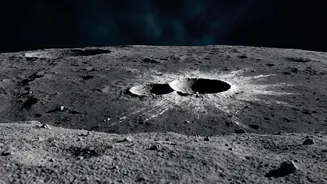
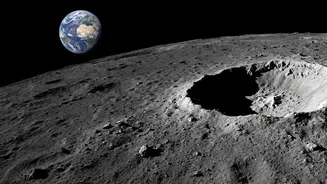
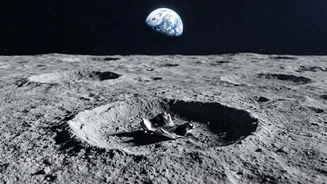
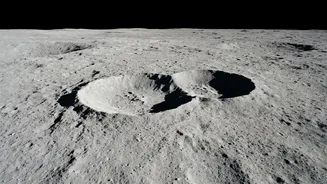
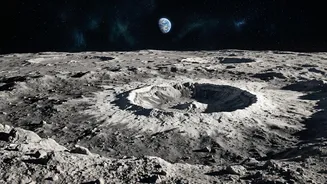
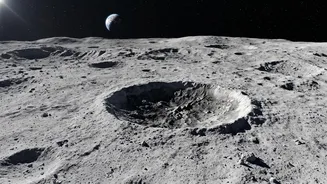
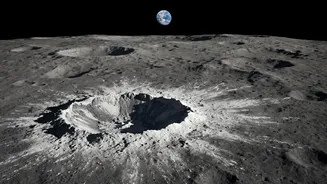
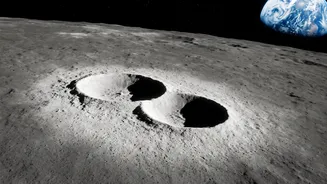
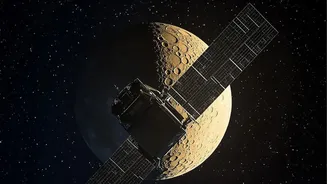
On August 5, 2026, the second stage of a SpaceX Falcon 9 rocket is expected to slam into the lunar surface at over 8,000 km/h. The bus-sized object has been tumbling through space since it completed its mission in early 2025. Its eventual impact was predicted
not by a major space agency, but by an astronomer who developed widely used tracking software. This isn't the first time we've accidentally littered on the Moon; a Chinese rocket stage made a similar surprise impact in 2022. While scientists are taking the opportunity to study the resulting crater, the event highlights a critical blind spot. For hardware sent into deep space, there is often no fuel or plan for a controlled disposal, leaving massive objects to drift without oversight. It’s a case of cosmic carelessness that points to a much larger issue.
The Junkyard Above Our Heads
The real problem isn't the occasional rocket hitting the Moon, but the ever-growing cloud of debris orbiting Earth. There are an estimated 1 million objects larger than a centimetre, from dead satellites and spent rocket bodies to tiny fragments of metal and paint flecks. Travelling at incredible speeds, even a small piece of junk can cripple or destroy a vital satellite. The services we rely on daily—GPS navigation, weather forecasting, and global communications—all depend on these satellites remaining safe. Currently, tracking systems can only reliably follow objects larger than a softball, leaving a massive population of smaller, but still dangerous, debris effectively invisible. With tens of thousands of new satellites planned for launch in the coming decade, the risk of a catastrophic collision is steadily increasing.
Who Is Watching the Skies?
For decades, tracking objects in space has been the job of military networks, primarily focused on national security. But the recent explosion in commercial space activity, led by companies like SpaceX, has overwhelmed these legacy systems. This has sparked an urgent debate about the need for a more robust and transparent system for everyone. The solution is twofold: Space Situational Awareness (SSA) and Space Traffic Management (STM). SSA is the foundational part: knowing what is in space and where it is going. STM is the crucial next step: creating a system, much like air traffic control for aviation, to coordinate movements and prevent collisions. The challenge is immense, involving complex physics, limited sensor coverage, and the difficulty of predicting an object's path.
The Search for Solutions
Solving the space junk problem requires a combination of better policies and new technologies. Space agencies like NASA and the European Space Agency (ESA) are now pushing for satellites to be designed for easy removal, with clear plans for de-orbiting them at the end of their life. For the junk already up there, a new industry focused on Active Debris Removal (ADR) is emerging. Companies are developing ambitious technologies, from space-towed nets and harpoons to robotic arms, designed to capture large debris like defunct satellites and drag them back into the atmosphere to burn up. Private firms are also building advanced ground-based radar networks capable of tracking much smaller objects than before, providing a clearer picture of the orbital environment. These efforts represent a critical shift from simply monitoring the problem to actively trying to clean it up.