


Working With, Not Against, Nature
Indian climates are diverse and demanding, from scorching summers to torrential monsoons and mild winters. Seasonal gardening is the practice of choosing plants that naturally thrive in these specific conditions. Instead of forcing a plant to survive
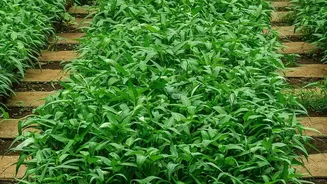
out of its element, you are aligning with nature’s rhythm. This approach dramatically increases your chances of success, as plants are less stressed by heat, humidity, or cold. A plant suited for the season requires less intervention, making gardening more of a joy and less of a chore. For example, many leafy greens bolt in the summer heat but flourish in the cooler winter months across North India. Similarly, gourds and chillies love the monsoon humidity.
A Hyper-Local, Fresh Food Source
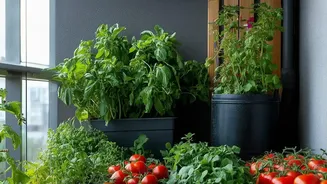
One of the greatest rewards of gardening in a small space is the harvest. Seasonal gardening allows you to grow herbs and vegetables that are perfectly in sync with traditional Indian cooking. Imagine snipping fresh coriander and mint for your chutney in winter, or plucking fiery green chillies and ripe tomatoes for a summer curry. Growing seasonally means you have access to the freshest, most flavourful ingredients right at your doorstep, free from pesticides. Vegetables like spinach, radishes, and carrots are perfect for winter pots, while okra and brinjal are well-suited for summer heat. This turns your balcony into a productive, edible extension of your kitchen.
Maximising Every Inch of Space
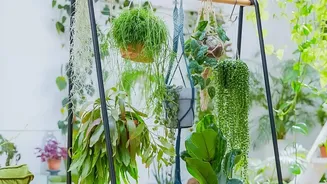
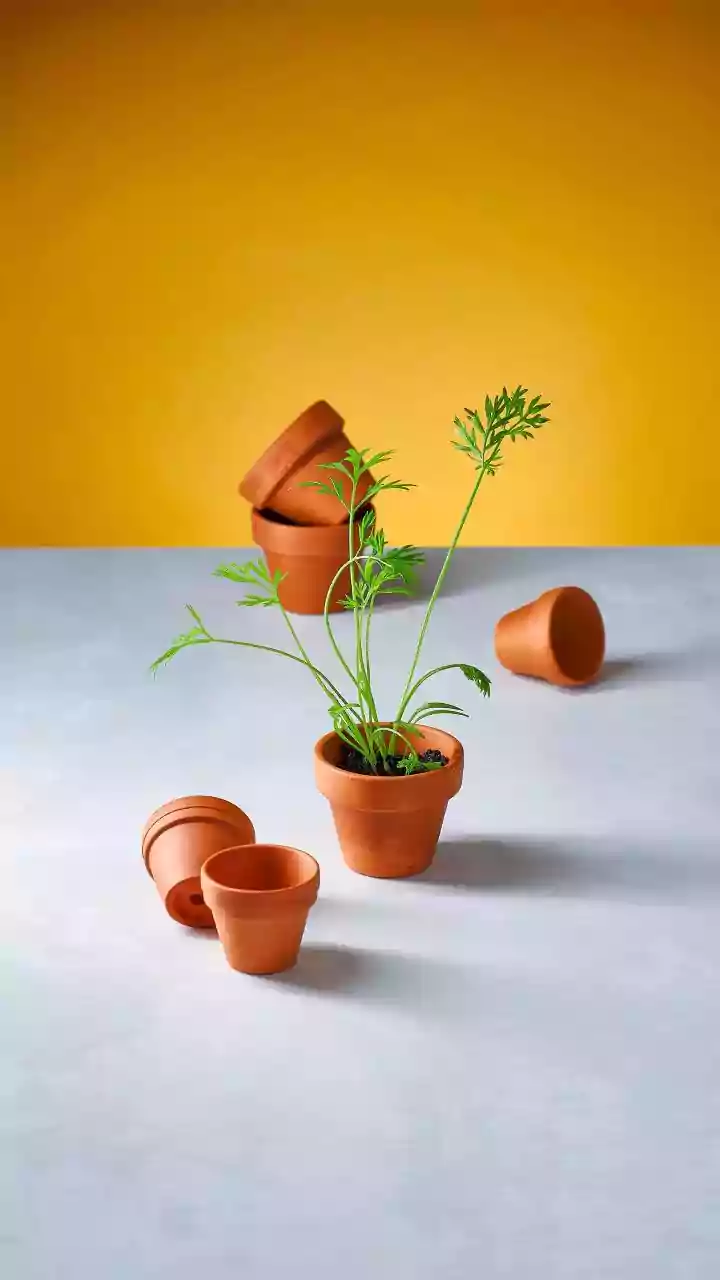
Small balconies and terraces demand smart solutions, and seasonal gardening is a form of crop rotation perfectly suited for containers. Once a seasonal plant's life cycle is over—for instance, after harvesting your winter spinach—you can refresh the soil and plant a summer-friendly crop like okra in the same pot. This continuous cycle ensures your limited space is always productive and vibrant. It prevents soil depletion and also disrupts the life cycles of pests and diseases that can accumulate when the same plant is grown year-round. Paired with vertical gardening techniques like wall-mounted shelves and railing planters, this approach ensures no inch is wasted.
A Year-Round Display of Colour
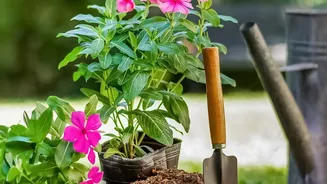
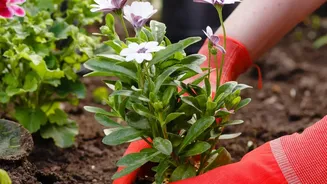
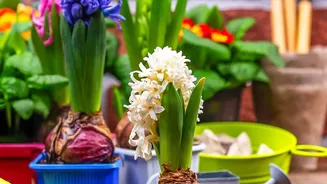
A seasonal garden offers a constantly changing canvas of colours and textures. You can plan your floral displays to coincide with seasons and festivals. Plant vibrant marigolds that bloom beautifully in the autumn and winter, ready for Diwali and other celebrations. As summer approaches, you can switch to heat-loving bloomers like hibiscus, bougainvillea, or periwinkle (sadabahar) to keep your space bright. This rotation provides visual interest throughout the year, preventing the garden from looking tired or stagnant. It creates a dynamic space that evolves, offering new sights and scents with each passing season.
A Simple Guide to Seasonal Planting
Getting started is simpler than you think. Here is a basic guide to what thrives in pots during India's main growing seasons: Winter (October - February): This is a rewarding season for many vegetables and flowers. Try planting spinach (palak), fenugreek (methi), coriander (dhania), carrots, radishes, and tomatoes. For flowers, petunias, pansies, and marigolds are excellent choices. Summer (March - June): Focus on heat-tolerant plants. This is the time for okra (bhindi), brinjal, green chillies, and gourds. For a splash of colour, plant zinnias, sunflowers, and portulaca (moss rose). Monsoon (June - September): The high humidity is great for many plants. Continue with chillies and brinjals, and try planting beans and cucumbers which love the moisture. Many herbs like mint and tulsi also do very well during this time.