






A long train journey across India is an experience in itself. But in an age of smartphones, laptops, and countless other gadgets, keeping everything charged can be a challenge. Here’s why a simple power strip can be your most valuable travel companion.
The Reality of Onboard Charging
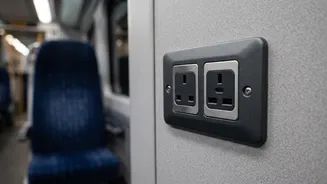
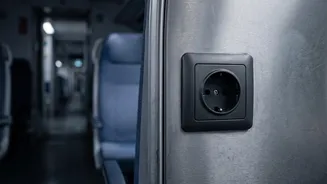
While Indian Railways has made significant strides in equipping coaches with charging points, the reality on the ground can be inconsistent. Many older coaches may have a limited number of sockets, often clustered in one area. Newer coaches, including those in premium trains, offer more options, sometimes even individual ports. However, for the average passenger on a long-haul journey in a sleeper or general class, finding a vacant and functional power outlet can feel like winning a lottery. Sockets are a shared resource, and demand almost always outstrips supply. This scarcity is the primary reason why seasoned travellers often come prepared.
Power for All Your Devices
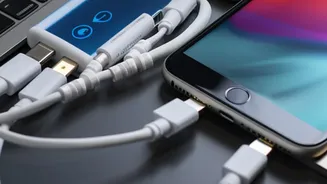
The most obvious benefit of a power strip is its ability to turn a single, precious outlet into a charging hub for multiple devices. A modern traveller might carry a smartphone, a power bank, wireless headphones, a smartwatch, and perhaps a laptop or e-reader. Relying on a single socket to charge these items one by one is impractical, especially on a journey spanning 24 hours or more. A power strip with three or four sockets allows you to charge your phone and power bank simultaneously overnight, ensuring you have a fully charged backup for the next day. Some power strips also come with built-in USB ports, further simplifying your charging setup by eliminating the need for multiple wall adapters.
A Friend to Your Fellow Passengers
Being the person with a power strip can instantly make you a popular figure in your compartment. When multiple passengers are vying for the same two outlets, offering to share your multi-socket extension is a simple act of goodwill. It turns a competitive situation into a cooperative one. By plugging in your strip, you can continue charging your device while allowing others who were using the socket to plug back in. This small gesture fosters a friendlier travel environment and can be a great icebreaker for conversations with fellow travellers on a long journey. It’s a win-win situation that reduces travel friction for everyone involved.
Solving the Awkward Placement Problem
Train sockets are not always placed in the most convenient locations. They might be high up on a wall, tucked away under a seat, or positioned in a narrow space that makes it difficult to plug in a bulky adapter. A power strip with a short extension cord solves this problem brilliantly. The cord gives you the flexibility to bring the sockets closer to your berth, allowing you to use your phone while it charges without being tethered to an awkward spot. This added reach is a significant quality-of-life improvement, providing comfort and convenience that a simple wall adapter cannot match.
Mind the Rules and Etiquette
While carrying a power strip is a great idea, it’s crucial to be aware of the rules. For safety reasons, Indian Railways mandates that all charging points in coaches be switched off between 11 PM and 5 AM. This rule, originally introduced in 2014 and reiterated in late 2026 after a power bank-related incident, is strictly enforced to prevent fire hazards from devices left charging overnight. Therefore, plan your charging schedule accordingly. Use the daytime hours and the evening before 11 PM to juice up your devices. Also, be mindful of electrical safety. Always use a good quality, certified power strip and avoid leaving devices unattended for long periods. Finally, even with a power strip, practice good etiquette by not monopolising the main outlet for your entire journey.