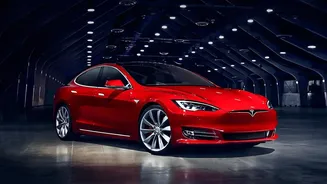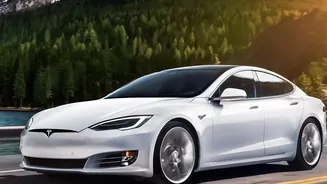




Tesla is making a significant strategic pivot. The company is reportedly shifting factory resources away from established models to prioritize its long-promised Robotaxi, a move that signals a profound bet on an autonomous future.
The End of the Line for Cybertruck
In a move that underscores
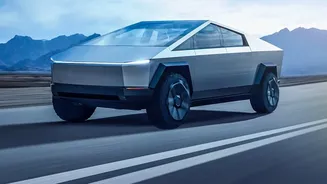
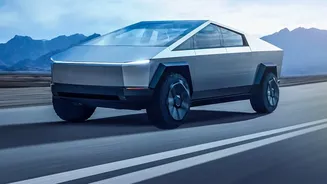
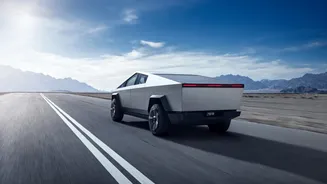
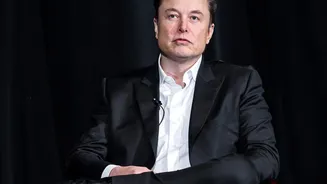
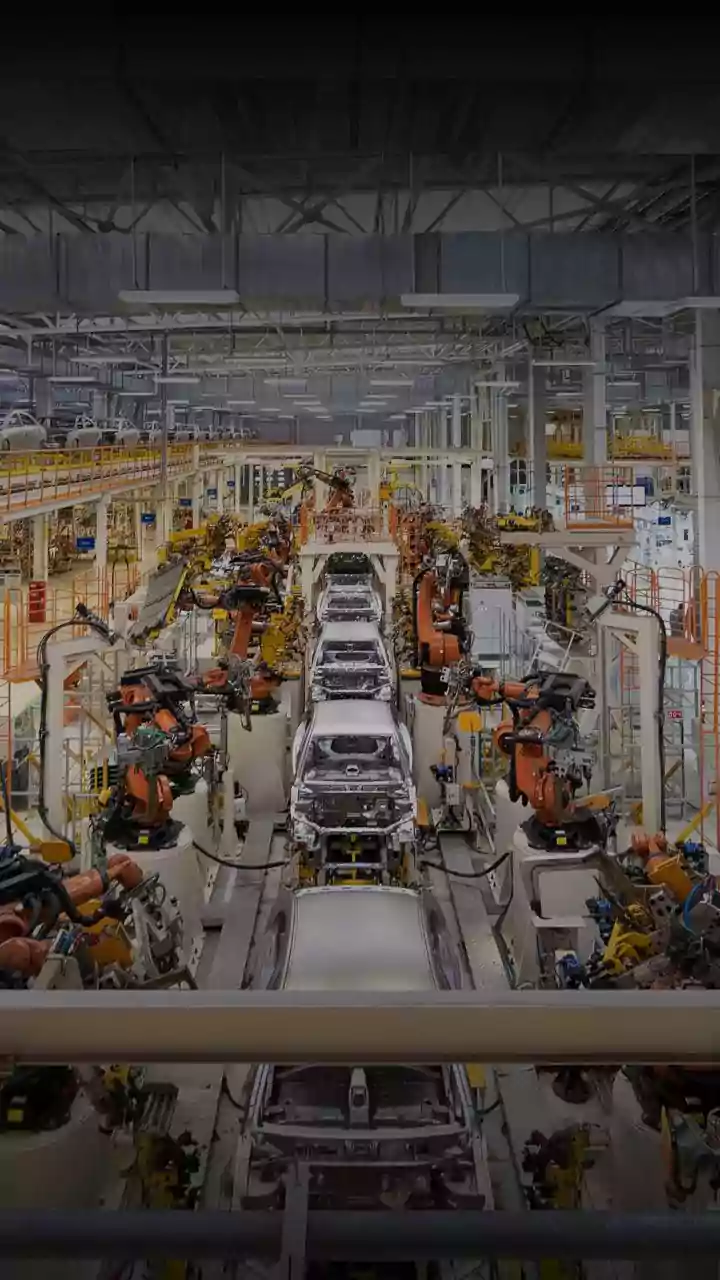
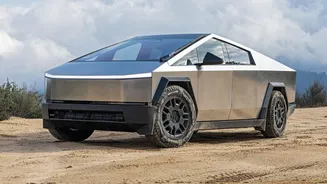
a major strategic shift, Tesla plans to wind down production of its polarizing Cybertruck at its Giga Texas facility around the middle of 2027. The decision, announced by CEO Elon Musk, is designed to free up factory floor space and redirect manufacturing capacity toward the company's next big project: the Cybercab, a purpose-built Robotaxi. This comes after the Cybertruck struggled to meet ambitious sales predictions, with sales in the first nine months of 2026 falling far short of original targets. The vehicle also faced numerous production challenges and recalls since its launch. The Texas plant is currently the only factory that produces the Cybertruck, and while Musk didn't state the model would be discontinued entirely, its future is now uncertain.
All In on the Robotaxi
The vehicle at the center of this pivot is the Cybercab, a futuristic two-seater with no steering wheel or pedals, designed exclusively for autonomous ride-hailing. First unveiled in 2024, the Cybercab is the physical manifestation of Musk's long-held vision for a fleet of self-driving taxis that can generate revenue for their owners, or for Tesla itself. Tesla has already begun a paid Robotaxi service in parts of Austin, Texas, as of September 2026, and is looking to scale up production significantly. By dedicating more of its Giga Texas resources to the Cybercab, Tesla is making a clear statement that it views its future less in selling individual cars and more in operating a vast, autonomous transportation network.
A High-Stakes Bet on Autonomy
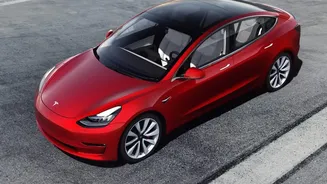
This shift is not without significant risk. The entire Robotaxi concept hinges on achieving true, unsupervised Full Self-Driving (FSD) technology—a goal that has been promised for years but remains elusive. The success of the Cybercab is entirely dependent on the software being not just functional, but safe and reliable enough for widespread regulatory approval. Furthermore, the pivot has raised questions about other promised vehicles, particularly the long-awaited affordable '$25,000 car' (often dubbed the 'Model 2'). Some reports suggest the affordable model project has been shelved in favor of the 'all in on Robotaxi' directive, a move some analysts believe is a mistake, as the market for affordable EVs is seen as crucial for growth.
The Business Case: Software and Margins
From a business perspective, the logic behind Tesla's gamble is the promise of vastly higher profit margins. Instead of a one-time sale of a car, a Robotaxi network offers recurring revenue with software-like margins. Proponents, like ARK Invest's Cathie Wood, believe this could transform Tesla's business model entirely, with some analysts predicting the service could push gross margins above 60%. Musk has argued that while a limited number of skilled engineers can work on new projects, spreading them thin across multiple vehicle lines is inefficient. By focusing this talent on the Cybercab, he believes Tesla can scale a product that will 'profoundly transform the world of terrestrial transport'.