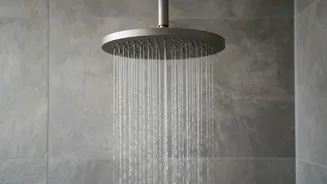








The Science of the Jolt
The initial shock of cold water hitting your skin triggers a powerful, instinctual response. Your breathing deepens, your heart rate increases, and you feel an undeniable surge of energy. This isn't just a feeling; it's a cascade of neurochemicals at work.
Exposure to cold stimulates the sympathetic nervous system, causing a significant release of norepinephrine into your bloodstream. Studies have shown this hormonal surge can increase by as much as 530 percent. Norepinephrine plays a crucial role in focus, attention, and mood. This explains the sharp, clear-headed sensation many people report after a cold rinse, effectively shaking off sleepiness and preparing the mind for the day. Participants in studies have reported feeling more active, alert, and attentive after just a few minutes of cold water immersion.
Training Your Body to Handle Stress
The benefits of cold showers extend beyond a morning pick-me-up. By deliberately exposing your body to a short, manageable stressor like cold water, you can train your nervous system to become more resilient over time. Initially, the cold shock causes a spike in the stress hormone cortisol. However, studies show that with regular exposure—for instance, a few times a week for several weeks—the body adapts. This habituation leads to a lower cortisol response not only to the cold but potentially to other daily stressors as well. This process is linked to the stimulation of the vagus nerve, a key component of the parasympathetic or "rest-and-digest" system. Activating the vagus nerve helps lower your heart rate and signals your body to calm down, promoting better stress regulation throughout the day.
Beyond Alertness: Other Supported Benefits
While increased alertness and stress resilience are major draws, research points to other positive effects. One of the most cited studies, involving over 3,000 participants, found that individuals who finished their showers with a cold blast reported a 29% reduction in sickness absence from work. While this doesn't definitively prove a stronger immune system, it suggests a boost in overall vitality and resilience. The rapid constriction and subsequent dilation of blood vessels during and after a cold shower also acts as a workout for your circulatory system, potentially improving blood flow over time. Athletes have long used cold water immersion to reduce muscle soreness and inflammation after intense exercise, a benefit that can apply to anyone looking to recover from physical exertion.
How to Start Without the Shock
The idea of a freezing shower can be intimidating, but you don't have to go all-in at once. The key is gradual adaptation. A practical approach is to begin with your normal warm shower and, for the last 30 seconds, turn the temperature down to a level that feels cool but tolerable. Over several days or weeks, you can gradually decrease the temperature and increase the duration. Aim for a final temperature below 21°C (70°F) and a duration of two to three minutes to start experiencing the benefits. Always listen to your body. The goal is to feel invigorated, not overwhelmed. If you feel dizzy, excessively uncomfortable, or have trouble breathing, it's a sign to warm the water up.
Important Considerations and Risks
Cold showers are generally safe for most healthy individuals, but they are not for everyone. The sudden cold can cause a rapid increase in heart rate and blood pressure, which poses a risk for people with pre-existing heart conditions or uncontrolled high blood pressure. Individuals with conditions like Raynaud's phenomenon, where blood vessels in the extremities overreact to cold, should also be cautious. It’s also wise to avoid cold showers when you are sick, as your body is already under stress fighting off an infection. The most important first step is to consult with your healthcare provider before making cold showers a regular part of your routine, especially if you have any underlying health concerns.