




Beyond the Postcard View
In an age of curated digital perfection, the desire for authentic travel experiences is stronger than ever. We seek more than just a beautiful backdrop; we crave genuine immersion. This is where the world of local crafts offers a powerful alternative
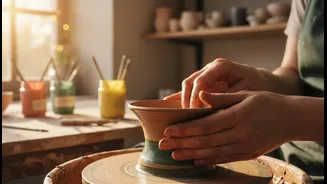
to traditional tourism. Engaging in a hands-on workshop—whether it’s for a few hours or a few days—shifts the journey from passive observation to active participation. It’s the difference between buying a souvenir and creating one filled with personal history. Across India, from the bustling lanes of Jaipur to the serene villages of Karnataka, travellers are discovering that learning a skill is a gateway to understanding a culture from the inside out. These experiences, focused on creation and connection, offer a richer, more personal way to see the world.
The Human Connection
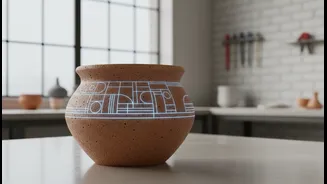
The most profound aspect of learning a local craft is the bridge it builds between you and the artisan. Sitting side-by-side with a master craftsperson, you're not just a tourist; you're a student. The conversation flows naturally, moving beyond simple transactions to shared stories and laughter. In Jaipur, for instance, you might find yourself in the studio of a blue pottery artist, learning the delicate art of painting with cobalt oxide. The artist doesn't just teach you a technique; they share the history of a craft passed down through generations. Similarly, visiting a Channapatna toy-making workshop near Bengaluru offers a chance to interact with artisans whose families have practiced this GI-tagged craft for over two centuries. This direct interaction transforms a simple holiday activity into a meaningful cultural exchange, fostering mutual respect and understanding.
A Language of Materials
Working with local materials provides a tangible link to the environment and economy of a place. When you learn Sanganeri block printing in Rajasthan, you feel the texture of the cotton fabric and smell the natural dyes derived from local plants. When you sit at a lathe in Channapatna, the smooth, lightweight ivory wood in your hands tells a story of the region's natural resources. In the Kutch region of Gujarat, you can participate in workshops for Ajrakh block printing or even copper bell forging, connecting with materials and methods shaped by the desert landscape. This sensory engagement is a form of non-verbal learning. You begin to understand why a certain craft developed in a particular region, how the local climate influenced the materials, and the immense skill required to transform them into objects of beauty and utility. The materials themselves become a language that speaks of place.
A Souvenir with a Story
We all love bringing a piece of our travels home, but an object you've made yourself holds a different kind of value. The slightly uneven bowl from a pottery class in Pondicherry or the hand-printed scarf from a workshop in Bagru is more than just a thing; it's a vessel for memory. It reminds you of the artisan who guided your hands, the smell of the workshop, and the pride of creating something new. This contrasts sharply with mass-produced souvenirs that often lack personal significance. Taking part in a workshop allows you to co-create your memento, infusing it with the story of your experience. Every time you look at it, you're not just reminded of a place you visited, but of a skill you learned and a connection you made. It’s a souvenir that truly keeps the spirit of your journey alive.