








Our Heritage on the Front Line
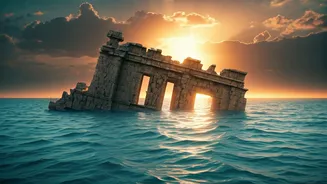
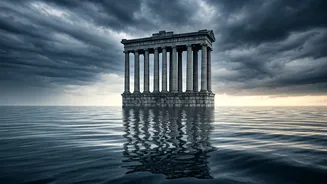
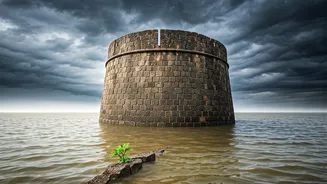
From the historic port city of Kilwa Kisiwani in Tanzania to Rapa Nui (Easter Island), iconic sites are threatened by rising sea levels and coastal erosion. UNESCO notes that one in six cultural heritage sites are now threatened by climate change. This
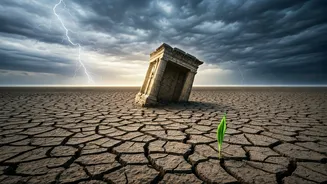
isn't a distant problem. The risks manifest as flooding, extreme heatwaves, intense rainfall, wildfires, and drought. These phenomena attack the very materials of these structures, with stone and wood being particularly vulnerable to cycles of heating, cooling, and moisture that cause cracking and rot. A recent study found that a staggering 80% of UNESCO cultural sites are already exposed to these climate-related stresses.
India's Monuments Under Stress
India, with its rich tapestry of historical sites, is seeing these impacts firsthand. The iconic white marble of the Taj Mahal is threatened by pollution and erratic weather patterns. In Delhi, the Red Fort and Humayun's Tomb suffer from severe air pollution, which leaves behind a damaging layer of soot and accelerates the ageing of the stonework. It's not just pollution; extreme weather is also taking a toll. Unusually heavy rains have caused parts of forts in Rajasthan and Himachal Pradesh to collapse. Coastal sites like the Konark Sun Temple in Odisha face a dual threat from rising sea levels and more frequent, intense cyclones. The delicate carvings at sites like the Ajanta Caves and Khajuraho Temples are at risk from increased humidity and rainfall, which can speed up deterioration.
The Direct Impact on Tourists
These climate risks are not just a concern for conservationists; they directly affect the tourist experience. In recent years, extreme heat has forced authorities to take drastic measures. In 2023, the Acropolis in Athens was forced to close during the hottest part of the day to protect visitors and staff from soaring temperatures. Similar closures and reduced hours have affected landmarks in Paris, such as the Louvre and the Eiffel Tower, during brutal heatwaves. Wildfires, often linked to heat and drought, have led to mass evacuations of tourists in places like Rhodes, Greece. For travellers, this means trips can be disrupted with little warning, access to famous sites can be restricted, and personal health can be put at risk, especially from heat-related illnesses in unfamiliar climates.
What Can a Responsible Tourist Do?
Understanding the risk is the first step. Before you book a trip, research the current climate challenges at your destination. Check for seasonal risks like wildfires or flooding and be prepared for potential disruptions. During your visit, your safety is paramount. Heed official warnings, stay hydrated, and avoid strenuous activity during extreme heat. But responsibility extends beyond personal safety. Consider how your travel choices impact these vulnerable places. Opting for off-season travel can help reduce the strain of over-tourism, which often compounds climate-related damage. Supporting local conservation efforts, choosing sustainable tour operators, and simply being a mindful visitor can contribute to the preservation of these sites for future generations. The way we travel is part of a system, and making more sustainable choices is becoming increasingly critical.