


A Reading Room Without Walls
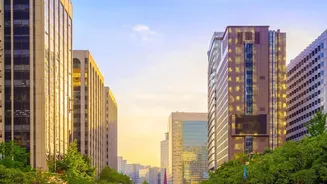
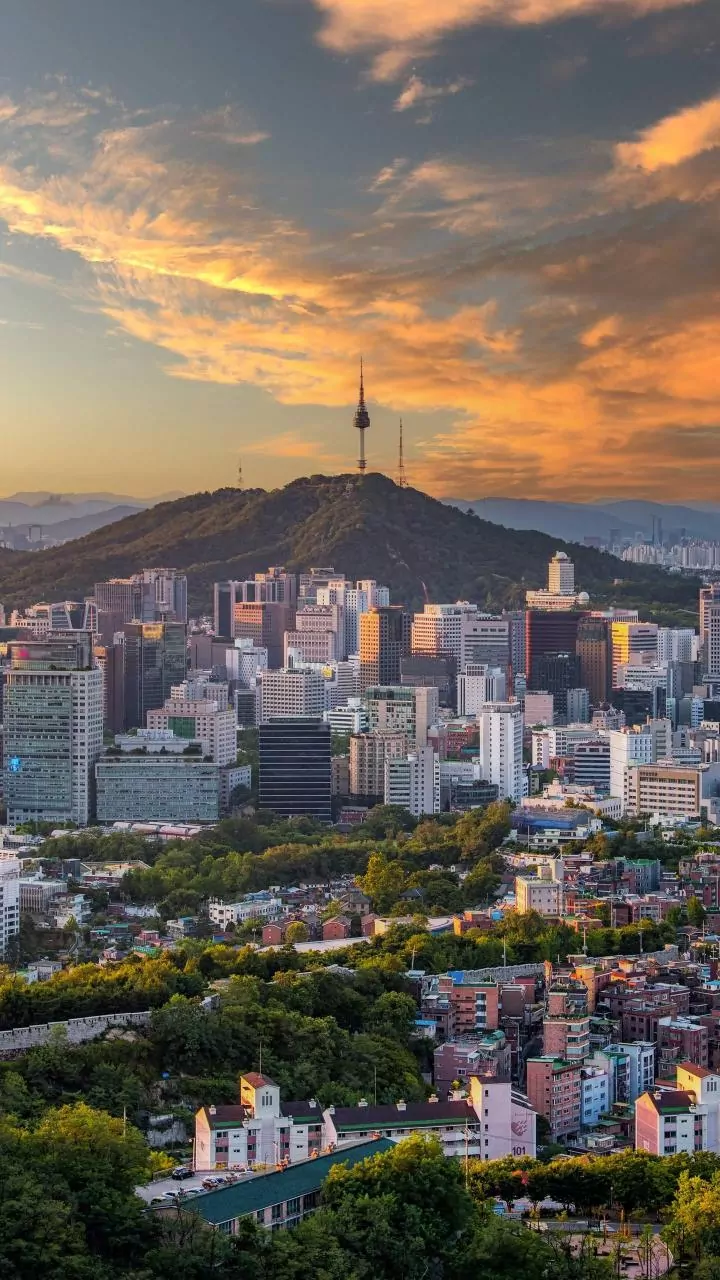
Imagine a sprawling city square, not with honking traffic, but with colourful beanbags, shady parasols, and shelves of books open for anyone to pick up and read. This is the scene at places like Seoul Plaza and Gwanghwamun Square, which the city government
transforms into vibrant open-air libraries during the warmer months. Launched in 2022, the 'Seoul Outdoor Library' initiative turns these central urban locations into community living rooms. There are no entry fees, no library cards, and no complex procedures; just thousands of books and an open invitation to slow down. Office workers, families, and tourists can be seen lounging on the grass, lost in a novel against the backdrop of the city skyline. The atmosphere is one of shared calm and quiet engagement, a stark contrast to the hyper-connected rush of modern urban life.
How the 'Building-less Library' Works
The success of Seoul's model lies in its simplicity and trust in public participation. The city provides the core infrastructure: thousands of curated books (around 5,000 at Seoul Plaza alone), comfortable seating like beanbags and mats, and book carts for easy returns. The rules are minimal, focusing on shared respect for the books and the space. This 'building-less library' concept expands the very idea of what a library can be—not a formal, enclosed institution, but a fluid, accessible part of the urban fabric. Beyond just reading, these spaces host cultural events like live music, author talks, and even film screenings, turning them into dynamic cultural hubs. The initiative operates seasonally, typically from spring through autumn, with schedules adjusted for weather like extreme heat or rain.
A Low-Cost, High-Impact Model
While not zero-cost, the model is significantly cheaper than constructing new buildings. The primary investment is in high-quality, durable furniture, a curated collection of books, and staffing for operations and programming. The key is leveraging existing, underutilised public assets—the parks and plazas that already belong to the city. By activating these spaces, the government creates immense social value with minimal capital expenditure on new infrastructure. It’s an eco-friendly approach that reduces the carbon footprint associated with new construction. The program has been wildly successful, attracting over 1.6 million visitors in 2023, a sevenfold increase from the previous year, demonstrating a huge public appetite for such spaces.
The Case for Indian Cities
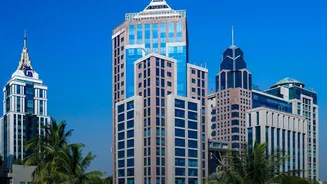
The challenges facing urban India make Seoul's idea particularly relevant. Many Indian cities grapple with a severe deficit of accessible, non-commercial public spaces. Parks are often poorly maintained or encroached upon, while the only places to sit and relax are typically cafes or restaurants that require payment. This leaves a massive gap for citizens who need a 'third place' that is neither home nor work. India has a vast network of public libraries, but many face challenges of poor infrastructure, understaffing, and a perception of being old-fashioned. An outdoor library initiative could revitalise public engagement with reading and create safe, inclusive, and welcoming zones for women, children, and elderly citizens who often have limited access to public life.
Adapting the Model for India
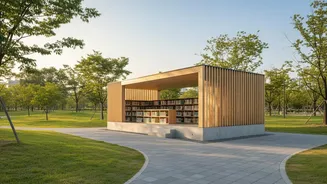
Simply copying the model would not be enough. Adaptation is key. India's extreme weather—from scorching summers to heavy monsoons—would require creative solutions. This could mean using covered but open-air structures, focusing on morning and evening hours, or operating seasonally. Book security is another consideration, but Seoul’s experience shows a surprisingly low loss rate, built on a foundation of civic trust. An Indian version could start as pilot projects in collaboration with Resident Welfare Associations (RWAs), NGOs, or corporate sponsors. Partnerships with existing public libraries could provide the book supply, while local artisans could be engaged to create comfortable, climate-appropriate seating. The focus should be on creating a space that feels organic to the community it serves, transforming neglected neighbourhood parks or plazas into vibrant centres of learning and leisure.