








The Official Inspection Framework
In India, the Food Safety and Standards Authority of India (FSSAI) is the main body responsible for setting and enforcing hygiene rules. Established under the Food Safety and Standards Act, 2006, the FSSAI outlines mandatory practices for all food businesses,
from street vendors to five-star hotels. Its guidelines, particularly those in Schedule 4, cover everything from the kitchen's layout and water quality to staff hygiene and pest control. Food Safety Officers (FSOs) conduct inspections to ensure these standards are met, checking for a valid, displayed FSSAI license, staff medical certificates, and proper food handling procedures. Recent crackdowns in cities like Bengaluru and Mumbai have highlighted the seriousness of these inspections, with authorities shutting down even popular eateries for violations like dirty kitchens and using expired ingredients.
What Inspectors Look For
When an FSO walks into a kitchen, they follow a detailed checklist. Key areas of focus include preventing cross-contamination by separating raw and cooked foods, using colour-coded chopping boards, and ensuring food-contact surfaces are made of non-toxic, non-corrosive materials like food-grade stainless steel. Temperature control is another critical point; refrigerators must maintain correct temperatures, and records should be kept. They check that the water used for cooking and cleaning is potable and tested regularly. Personal hygiene of staff is scrutinised, including clean uniforms, trimmed nails, and adherence to handwashing protocols after handling raw meat or using the restroom. Finally, they assess waste management, looking for covered, segregated bins and evidence of regular pest control.
Clues You Can Spot From Your Table
While you can't see the kitchen, the dining area offers valuable hints. Start with the basics: are the floors, tables, and cutlery clean? A dirty dining room often reflects a neglected kitchen. Check the condition of the washrooms; their cleanliness is a strong indicator of the establishment's overall hygiene standards. Observe the staff. Do they wear clean uniforms and hairnets or caps? Watch how they handle food and tableware—touching food with bare hands is a red flag. The FSSAI license must be prominently displayed on the premises; its absence is a compliance violation. Some restaurants also voluntarily display a Hygiene Rating certificate, a score from one to five stars awarded by an FSSAI-empanelled auditor, which gives a quick snapshot of their hygiene practices.
Decoding the Menu and Your Meal
Your food can also tell a story. An excessively large menu can be a warning sign, as it’s nearly impossible for a kitchen to manage a vast inventory with fresh ingredients, often relying on frozen or pre-prepared items. Pay attention to the state of condiments on your table. Are the bottles clean or sticky with old residue? Are pickles and sauces fresh? When your meal arrives, assess its temperature. Hot food should be served hot, and cold food cold, as lukewarm temperatures fall into the 'danger zone' where bacteria can multiply rapidly. While unfortunate cases involving expired or rotten ingredients have been found even in high-end hotels, being an attentive diner can help you notice when something seems off.
Using Digital Tools for Peace of Mind
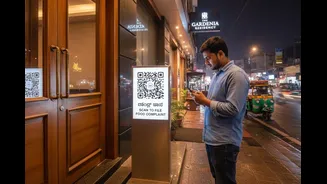
Before you even book a table, you can do some research online. The FSSAI maintains a public portal where you can look up a restaurant's hygiene rating if it has been audited under the voluntary scheme. This official database allows consumers to make more informed choices. Food delivery platforms like Zomato and Swiggy also often display these ratings and require restaurants to have a valid FSSAI license to be listed. Reading customer reviews can provide anecdotal evidence, but be sure to look for recurring themes related to cleanliness or food quality rather than isolated complaints. A combination of official ratings and crowd-sourced reviews can offer a more complete picture of what to expect.