







Why Moisture Is a Magnet for Bacteria
It might seem practical to wrap cut fruit in a damp paper towel to keep it fresh, but this creates a significant food safety risk. Moisture is a key ingredient for bacterial growth. When you break the skin of a fruit, you release its natural sugars and
juices. This combination of moisture and nutrients provides an ideal environment for harmful bacteria like Salmonella, E. coli, and Listeria to multiply rapidly. A damp napkin or cloth pressed against the fruit's exposed flesh essentially creates a humid incubator, accelerating spoilage and increasing the risk of foodborne illness. It is far safer to store cut produce in a dry, airtight container. Perforated plastic bags can also work well by allowing some airflow without trapping excess moisture.
The Hidden Dangers of Used Utensils
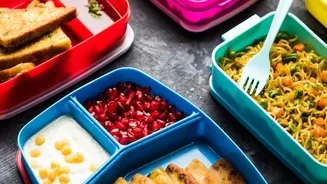
Tossing a used fork back into a container of leftover fruit salad is another common habit that invites trouble. The primary issue here is cross-contamination. A utensil that has been in someone’s mouth is covered in oral bacteria. When this utensil touches the fruit, those bacteria are transferred, where they can feed on the fruit's sugars and multiply. Similarly, a knife or grater used for other foods can transfer microbes onto your fruit. Studies have shown that utensils are a common vehicle for spreading pathogens from one food item to another, especially when they aren't washed between uses. To avoid this, always use clean utensils to serve and handle fruit, and pack any cutlery for a packed lunch separately from the food itself.
The Two-Hour Rule for Cut Produce
Temperature control is crucial for keeping cut fruit safe. Once a fruit's protective skin is broken, it becomes a perishable item that requires refrigeration. Food safety experts advise that any cut or peeled produce should be refrigerated within two hours. If the ambient temperature is high (above 32°C), that window shrinks to just one hour. After this time, the risk of harmful bacterial growth increases significantly. All pre-cut fruit you buy from a store should be refrigerated as soon as you get home. When packing fruit for a lunch or picnic, use an insulated bag with a cold pack to ensure it stays out of the temperature 'danger zone' where bacteria thrive.
Best Practices for Safe Fruit Storage
Keeping your fruit fresh and safe is about adopting a few simple, consistent habits. First, always wash your hands with soap and water before handling produce. Wash whole fruits thoroughly under cool, running water just before you plan to cut and eat them—washing them too far in advance can introduce moisture that promotes spoilage. Use clean cutting boards and knives, ideally ones that are separate from those used for raw meat, poultry, or seafood to prevent cross-contamination. Store cut fruit in clean, airtight containers in a refrigerator set to 4°C or below. When packing a snack, ensure utensils and the fruit are in separate containers or compartments. These small steps make a huge difference in reducing your risk of foodborne illness and ensuring your fruit is always a healthy, safe treat.