









Understanding Wholesale Inflation
Think of inflation in two stages. The first is the Wholesale Price Index (WPI), which tracks the price of goods traded in bulk between businesses. This includes raw materials like crude oil and steel, and factory-gate prices for items before they reach
retail stores. The second, more familiar stage is the Consumer Price Index (CPI), which measures the prices you, the consumer, actually pay for goods and services. While the government uses CPI for its main inflation target, WPI is a crucial early-warning system. A sustained rise in wholesale prices often indicates that companies are facing higher costs, which they will eventually pass on to consumers.
A Look at the Latest Numbers
India's wholesale inflation saw a significant jump in September 2026, reaching 11.39%. This was a sharp increase from 9.92% in August and was driven by rising costs across the board. The main culprits were fuel and power, manufactured products, and food articles. Inflation in the fuel and power basket climbed to 25.85%, while manufactured goods inflation hit a series high of 9.76%. These figures confirm that inflationary pressures are building up at the producer level, signalling a potential rise in retail prices in the coming months.
The Impact on Your Kitchen Budget
The most direct impact for most households will be on the grocery bill. Wholesale food inflation rose to 8.66% in September, up from 7.05% in August. This increase at the wholesale level for items like vegetables, grains, and pulses often translates into higher prices at your local market. When producers pay more for seeds, fertilisers, and transport, those costs are passed down the supply chain. Eventually, the price of packaged foods and fresh produce on store shelves reflects these increased input costs, squeezing the family food budget.
Higher Costs for Fuel and Transport
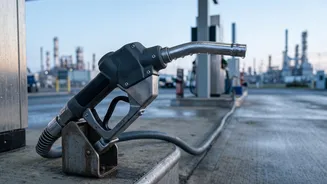
The fuel and power component of WPI saw inflation jump to a staggering 25.85% in September. This was largely driven by a surge in global crude oil prices, which directly affects what you pay for petrol and diesel. But the impact doesn't stop at the pump. Higher fuel costs increase transportation expenses for everything, from the truck that delivers goods to your local store to the bus you take to work. This means that even if a product's manufacturing cost hasn't changed, its final price can still rise because it costs more to get it to you.
Rising Prices of Manufactured Goods
Inflation in manufactured products hit a series-high of 9.76% in September. This category includes a vast range of items essential for daily life, such as textiles, chemicals, plastic products, and electrical equipment. When the price of raw materials like basic metals and chemicals goes up for factories, the cost to produce everything from clothing to home appliances also rises. Businesses may initially absorb these higher costs to protect their market share, but sustained pressure often leads them to increase the prices of their finished goods, making them more expensive for consumers.