




The Seed of an Idea
The journey to a legendary pandal begins not weeks, but months in advance, often just after the previous year's idols are immersed. It starts in the bustling meetings of local 'para' (neighbourhood) puja committees. These committees, typically composed
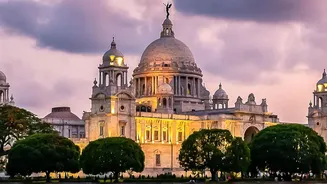
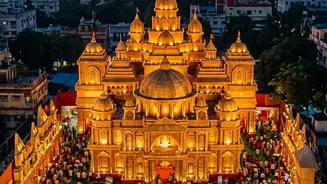
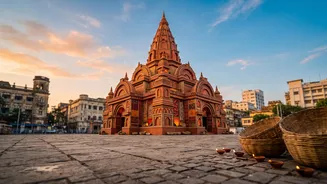
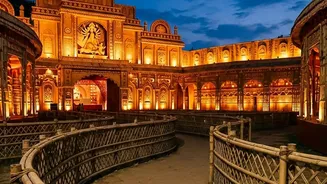
of local residents, function as the brain of the operation. Here, ideas are debated, themes are chosen, and a vision is born. For 2026, themes range from celebrating Bengal's maritime history and rural traditions to recreating grand palaces and exploring philosophical concepts of silence. This initial phase is a deeply democratic process, where members decide on a concept that will define their neighbourhood's identity for the festival.
The Power of Collective Funding
Building these elaborate, temporary architectural marvels requires significant financial resources. The funding model is a testament to the community's collective will. The primary source of income is 'chanda', or subscriptions, collected door-to-door from residents and local businesses. This age-old practice ensures that everyone has a stake in the celebration. This is supplemented by corporate sponsorships and, in recent years, government grants and corporate initiatives that support artists and committees directly. For instance, the West Bengal government announced grants for puja committees, while some corporate groups have also committed funds to empower the artists and creators behind the spectacle.
Where Art and Community Meet
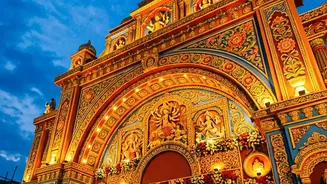
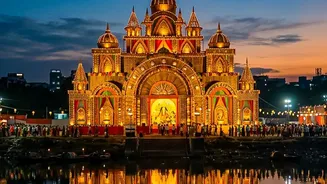
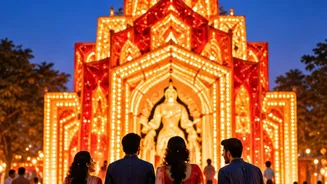
Once a theme is finalized and a budget is outlined, the artists and craftspeople take centre stage. Puja committees collaborate closely with artists, many of whom hail from artisan hubs like Kumartuli, to bring their vision to life. These artists work for months, transforming bamboo, cloth, clay, and countless other materials into magnificent structures. The process is a partnership. While the artists provide the technical skill and creative genius, the committee members are on-site daily, managing logistics, solving problems, and ensuring the work aligns with the original concept. This synergy between artistic vision and community oversight is what produces the stunning results that millions come to admire.
An Army of Neighbourhood Volunteers
As the festival days approach, the entire neighbourhood mobilizes. The formal committee structure, with roles like president, secretary, and treasurer, is supported by an informal army of volunteers. Younger members manage social media and promotion, while others take on crucial responsibilities like crowd management, supervising the electrical work, and organizing the distribution of 'bhog' (consecrated food). This is the 'sarbojanin' or 'for everyone' spirit in action. From students to retirees, everyone contributes their time and skills, ensuring the five days of the festival run smoothly. They organize cultural programs, from traditional 'dhunuchi naach' to children's drawing competitions, turning the pandal into a vibrant community hub.
More Than a Festival
From Maha Shashthi on October 17th to Vijaya Dashami on October 21st, the pandal becomes the heart of the locality. It transcends its function as a temporary temple to become a public square for reunion and celebration. It is a place for 'adda' (leisurely conversations), for sharing meals, and for celebrating a shared cultural heritage. This annual ritual of coming together to create something beautiful and meaningful is what truly defines the spirit of Durga Puja. In 2021, UNESCO recognized this unique blend of art, religion, and community participation by adding Durga Puja in Kolkata to its list of Intangible Cultural Heritage of Humanity.