







The Great Schengen Scramble
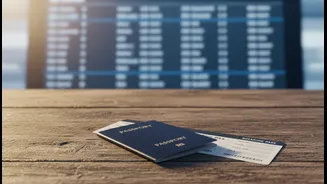
The single biggest hurdle for many aspiring Indian tourists is the Schengen visa process. In 2026, securing an appointment at a visa application centre has become a challenge in itself, with wait times stretching from three to eight weeks in major cities.
Some travellers report that slots are booked out for ten to fourteen weeks in advance. This bottleneck means that even with flights and hotels booked, there's no guarantee of getting the necessary approvals in time. The issue isn't necessarily higher rejection rates—which stood around 15.8% for Indians in 2025—but the sheer volume of applications overwhelming the system. With over 1.15 million applications from India in 2025, the demand far outstrips the available appointment capacity, creating a stressful and uncertain start to what should be a relaxing holiday.
The High Cost of a European Dream
Beyond the visa queues, the cost of a European vacation has climbed steeply. Airfares to major European hubs have been driven up by geopolitical tensions in West Asia, which force airlines to take longer, more expensive routes. This, combined with high inflation in Europe and a weaker rupee, means every aspect of the trip, from accommodation to a simple coffee, costs more. A typical 10-day trip to Europe can now easily cost between ₹2,00,000 and ₹3,50,000 per person. This financial pressure is making many Indian travellers, who are increasingly price-sensitive, question the value proposition of a long-haul trip to the West.
Asia’s Welcoming Arms
In stark contrast, many Asian countries have rolled out the red carpet for Indian tourists. Nations like Thailand, Malaysia, Indonesia, and the Philippines have introduced visa-free entry for Indian passport holders. Others, like Sri Lanka and Vietnam, offer simple and quick e-visa or visa-on-arrival processes. This ease of access has been a game-changer, turning the idea of an international trip from a months-long planning ordeal into a spontaneous decision. Travel companies report that bookings to Asian destinations have surged, with year-on-year growth for countries like Vietnam and Thailand reaching 30-40%. Meanwhile, bookings for Europe have seen a decline of 10-15% over the same period.
More Than Just Visas and Budgets
The shift towards Asia isn't solely about logistics and money. Shorter flight times make destinations like Thailand and Malaysia far more appealing for families with children or for those seeking a quick getaway. There's also a growing appreciation for the diversity of experiences Asia offers, from the futuristic cities of Singapore and Seoul to the pristine beaches of the Philippines and the cultural depth of Japan and Vietnam. For many, the definition of a luxury holiday is changing. It's less about the distance travelled and more about the quality and convenience of the experience. Asia delivers this with world-class hospitality, incredible food, and a sense of cultural familiarity, all at a more accessible price point.
A New Travel Mindset
This trend highlights a broader evolution in the Indian traveller. With rising disposable incomes and greater exposure to global trends, holidaymakers are becoming more discerning. The default aspirational trip to Paris or Switzerland is being replaced by a more considered choice based on value, convenience, and the type of experience sought. While Europe will always hold an allure for its history and iconic landmarks, it is no longer the undisputed king of international travel for Indians. The friction of getting there has simply made the ease and vibrancy of Asia too attractive to ignore, reshaping India's outbound tourism map for the foreseeable future.